
Last updated November 18, 2026
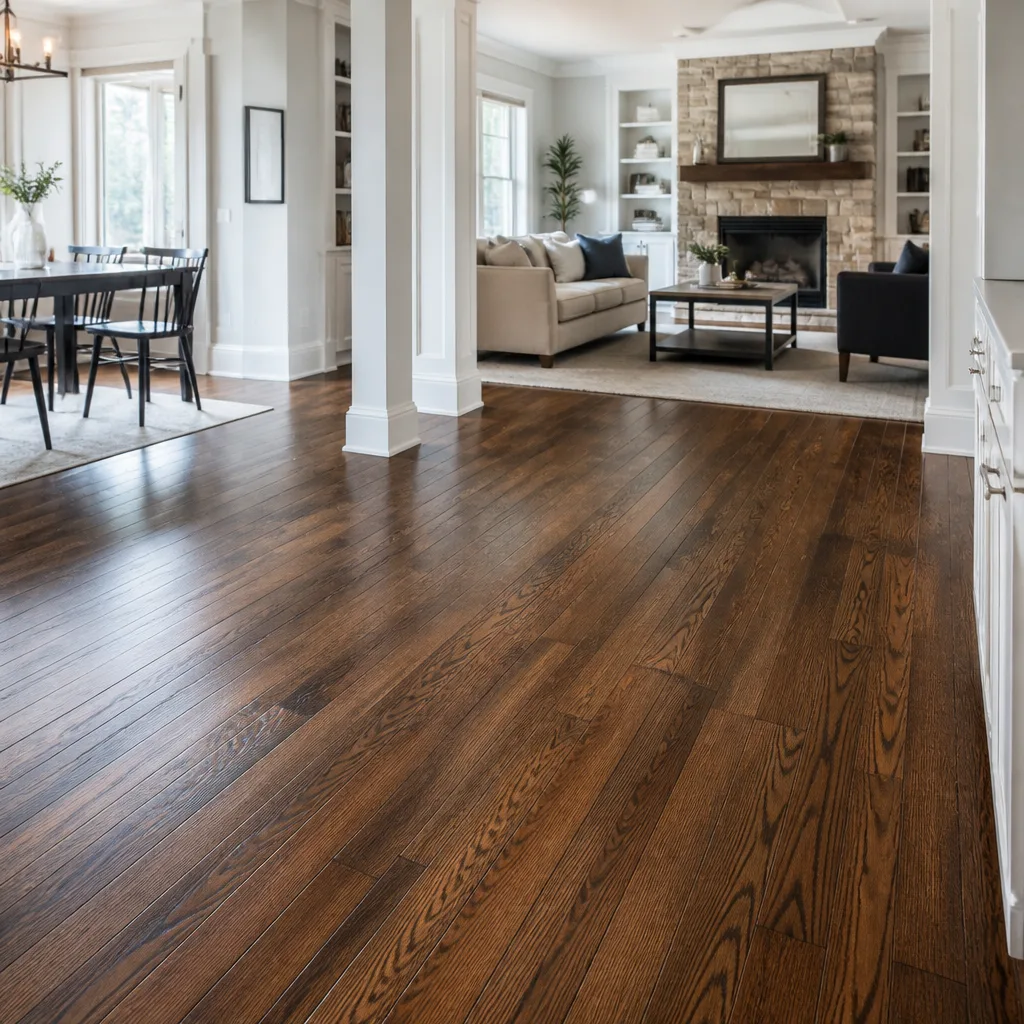 Hardwood
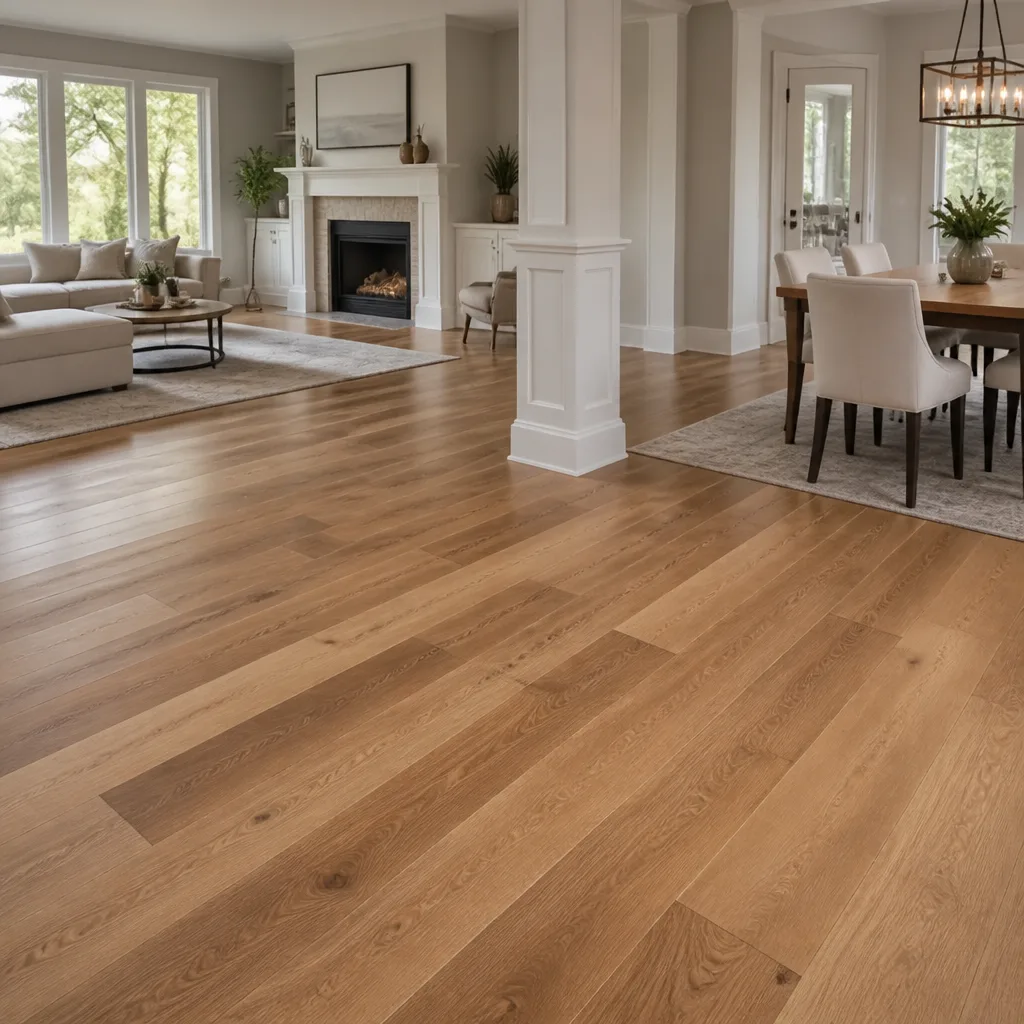 Engineered hardwood
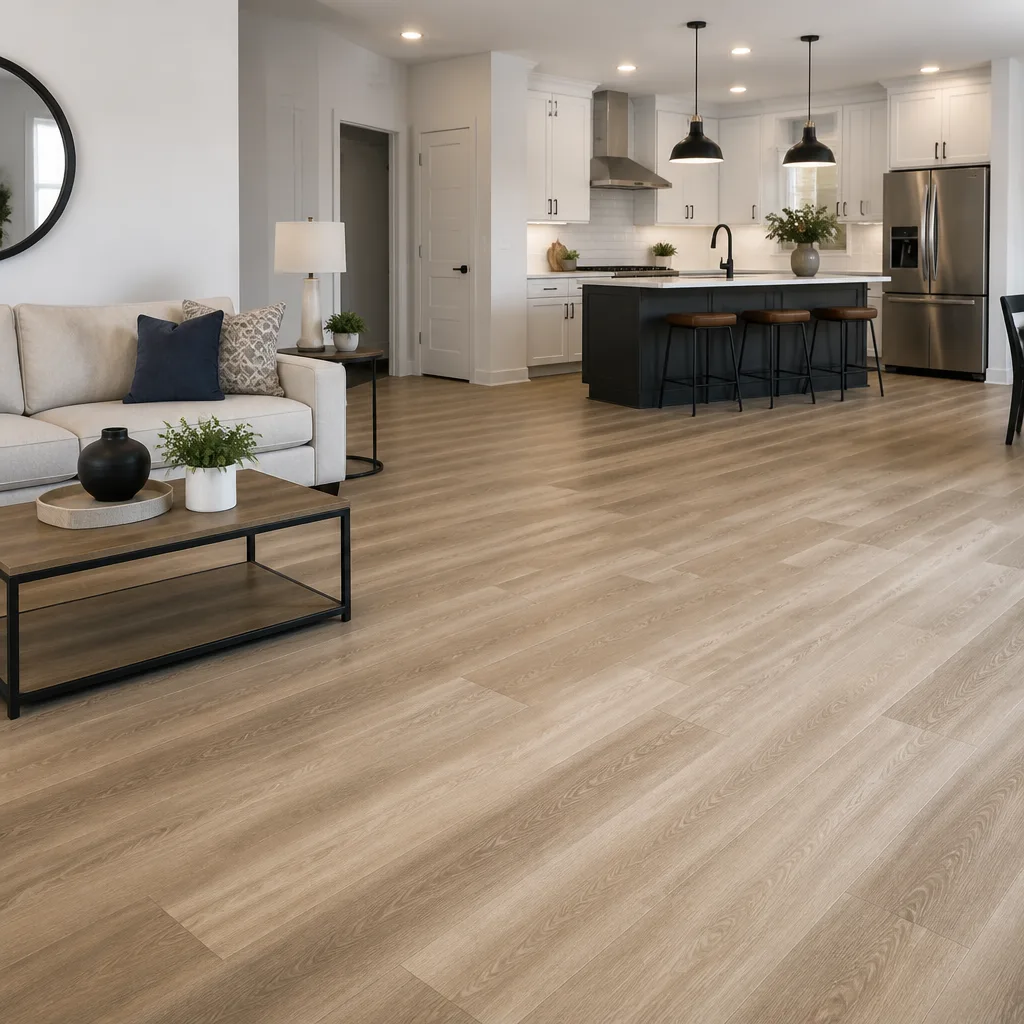 Luxury vinyl plank
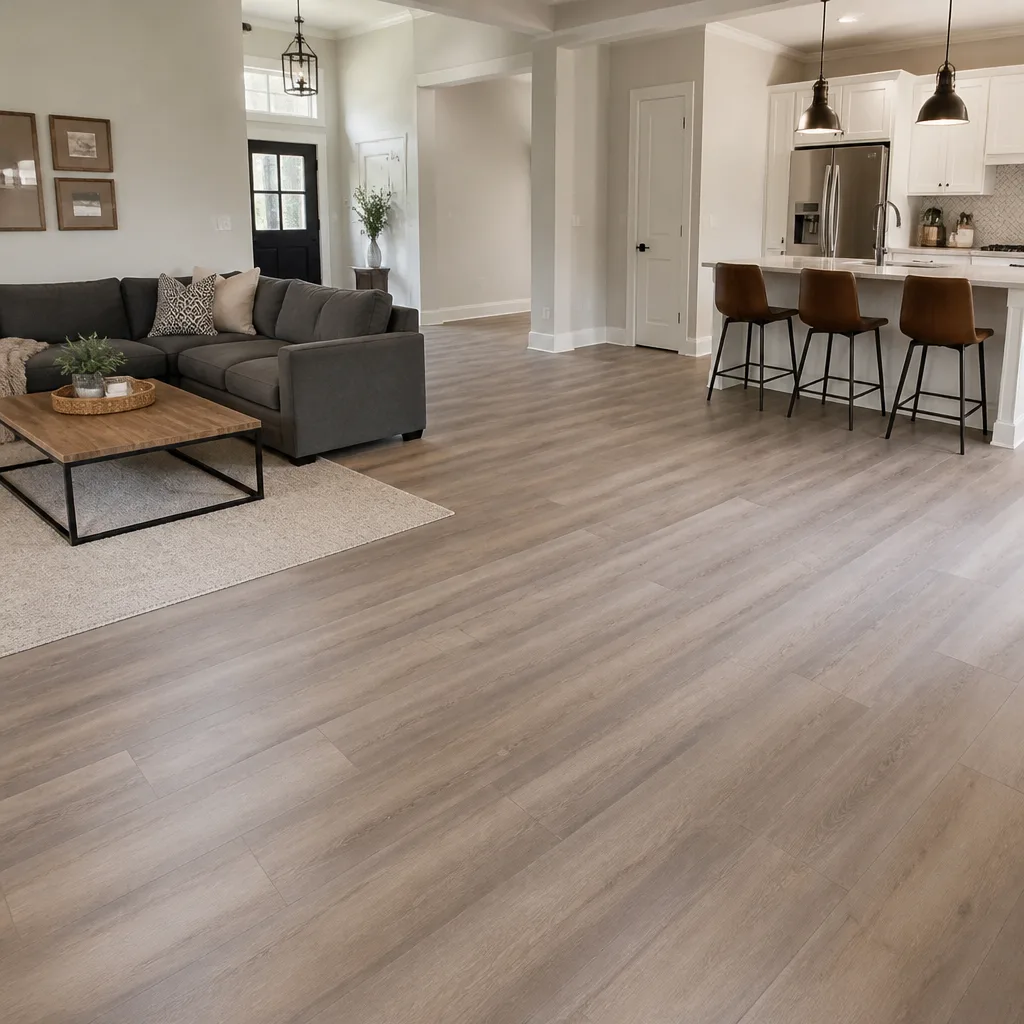 Laminate
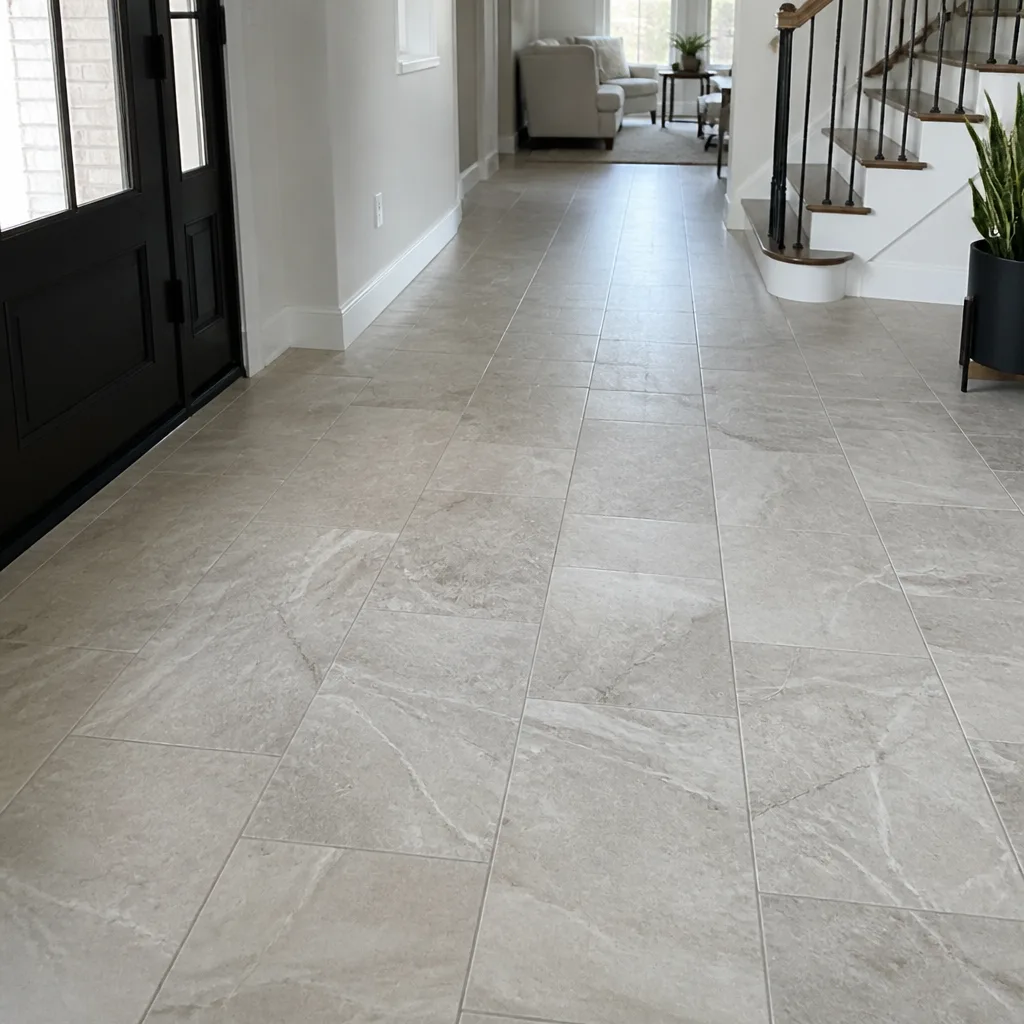 Porcelain tile
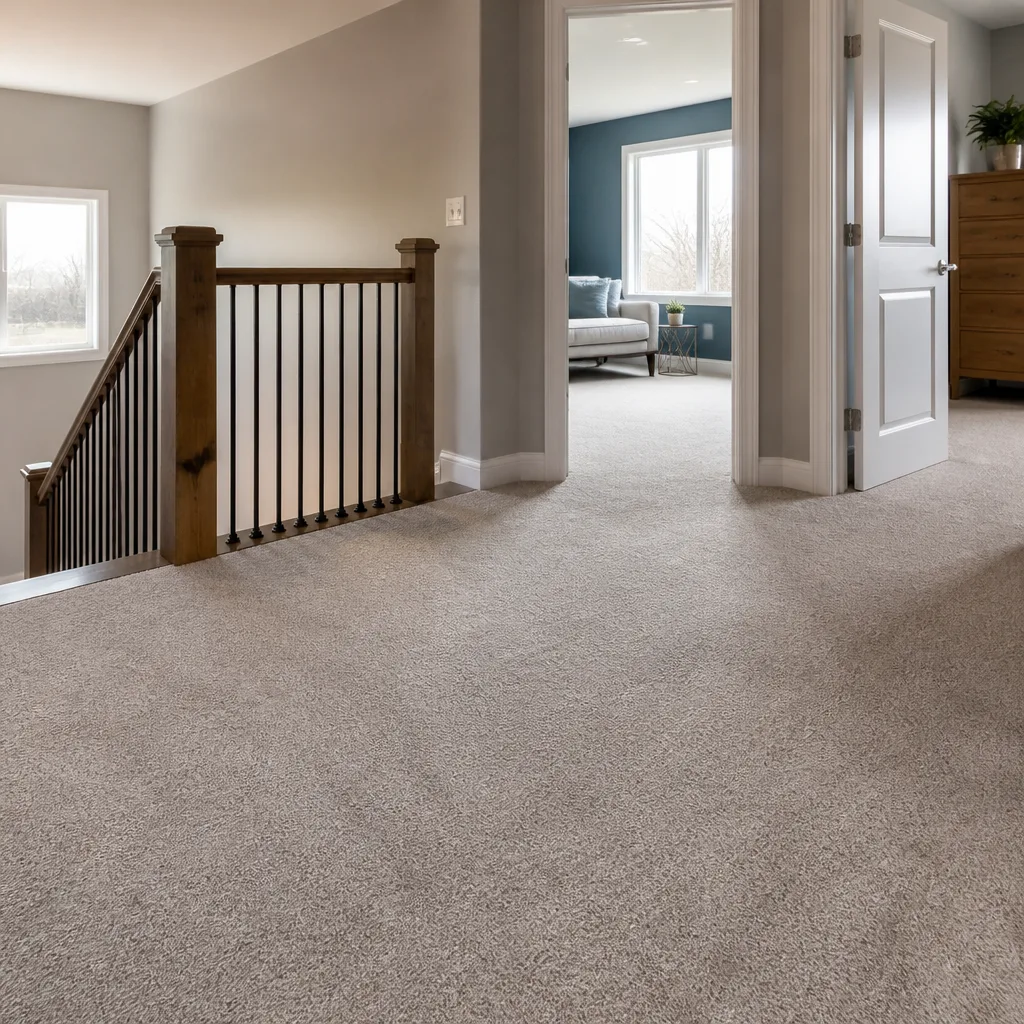 Carpet
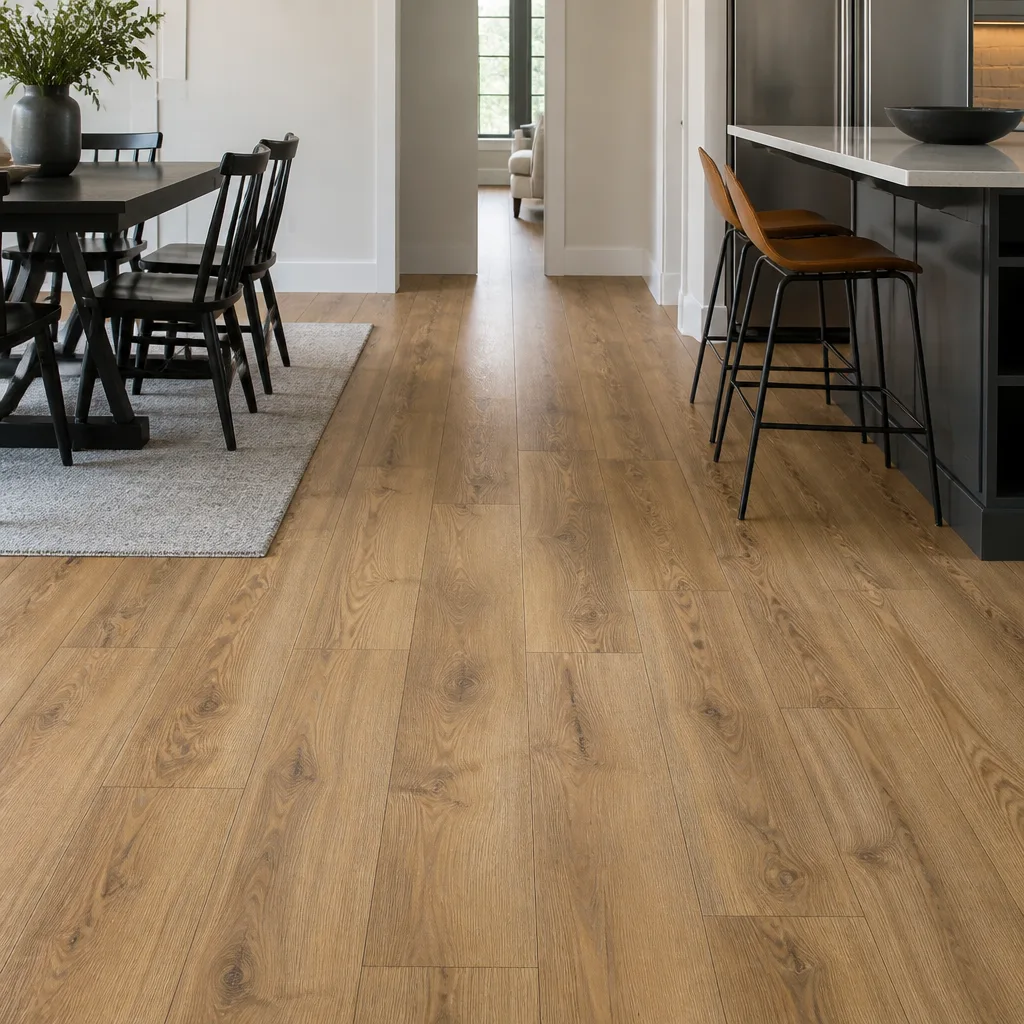 Shaw
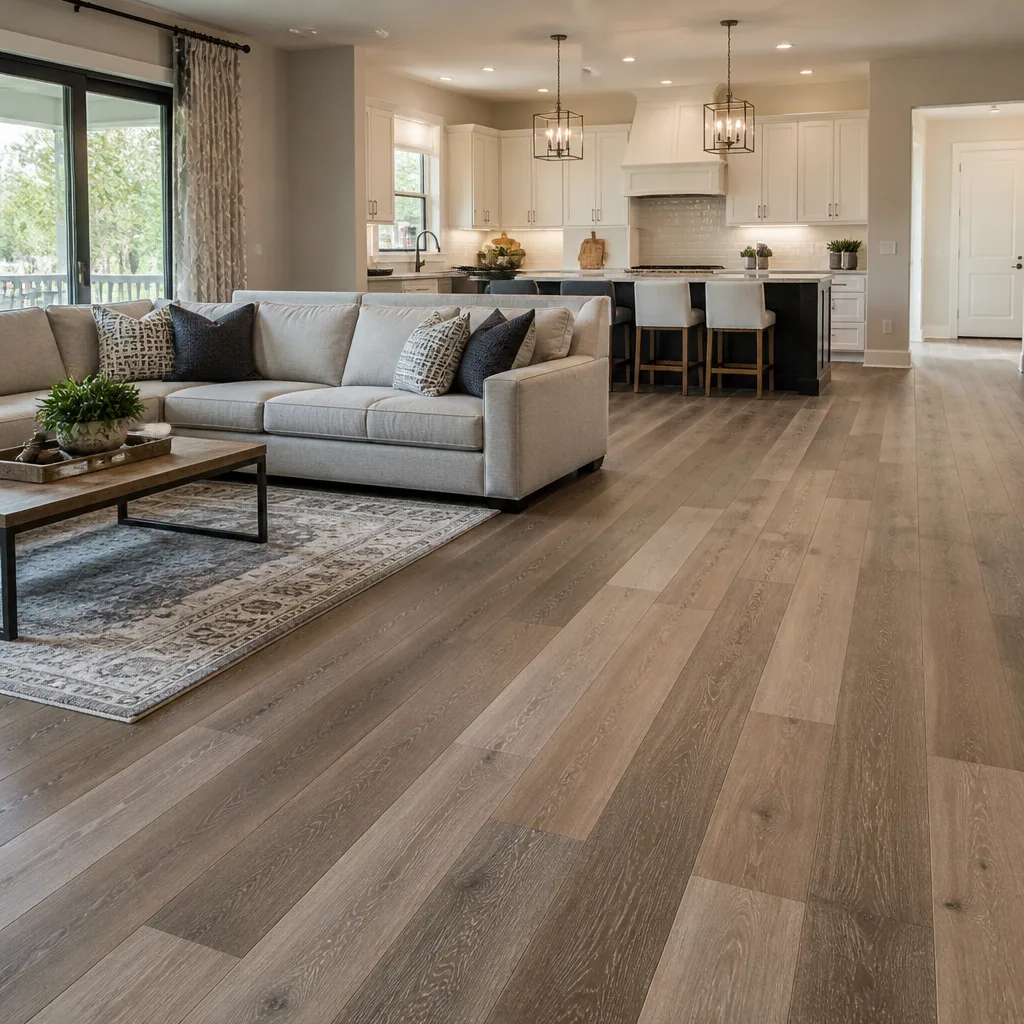 Mohawk
 COREtec
 Pergo
Free in-home measure and written estimate: Shaw, Mohawk, COREtec and Pergo lines compared on your own rooms, with carpet, tile, vinyl plank, laminate and hardwood laid out side by side
Get your free estimateFlooring Cost Breakdown: The Summerlin Homeowner’s Reference for 2026
Here’s the gap that trips up more Summerlin homeowners than any other: the per-square-foot number you see on a manufacturer’s page is a material price, not a flooring price. A luxury vinyl plank advertised at roughly three dollars a square foot lands closer to seven once demolition, subfloor prep, and transitions are in the estimate. That’s not a bait and switch. It’s the difference between what a box of planks costs and what a finished floor costs. In this reference we break the two apart. You’ll see 2026 per-square-foot ranges for carpet, LVP, laminate, hardwood, and tile, itemized non-material line items, and a plain way to read a flooring estimate so nothing shows up later as a surprise.
Quick Answer
In Summerlin, installed flooring in 2026 typically runs from about $3 to $5 per square foot for carpet, $4 to $9 for luxury vinyl plank, $5 to $8 for laminate, $8 to $14 for engineered or solid hardwood, and $7 to $15 for tile – and that installed figure, not the shelf price, is what you should plan around. Hardwood refinishing is quoted separately and is often less than replacement. Every estimate should be written and itemized, and the written estimate sets the final price.
Styles & brands we work with
- Hardwood
- Engineered hardwood
- Luxury vinyl plank
- Laminate
- Porcelain tile
- Carpet
- Shaw
- Mohawk
- COREtec
- Pergo
Table of Contents
- What does flooring cost per square foot in Summerlin in 2026?
- What’s in an installed price besides the material?
- Why can two jobs in the same material land $2 apart per square foot?
- How do you read a flooring estimate line by line?
- How does Summerlin’s climate change what you install?
- Refinish or replace? The hardwood math
- Which floors return value at resale in Summerlin?
- How to build a realistic room-by-room budget
What does flooring cost per square foot in Summerlin in 2026?
Here’s a direct answer before we get into the why: installed flooring in Summerlin in 2026 starts around $3 per square foot for carpet and climbs to roughly $15 for natural stone tile. The ranges below reflect the Las Vegas labor market, where tile setters and hardwood crews are in steady demand and where every load of material has to travel inland. Treat these as typical estimated ranges for planning, not as committed prices. The written estimate after a measure sets the final number.
These figures assume an installed cost – material plus labor plus the standard prep that most rooms need. A straightforward bedroom with flat, sound subfloor sits at the bottom of a range. A kitchen or a room over a cracked slab sits at the top.
- Carpet: roughly $3 to $5 per square foot installed, including pad and standard stretch-in labor.
- Luxury vinyl plank (LVP): roughly $4 to $9 per square foot installed, depending on wear layer and the prep the slab needs.
- Laminate: roughly $5 to $8 per square foot installed.
- Engineered hardwood: roughly $8 to $12 per square foot installed.
- Solid hardwood: roughly $10 to $14 per square foot installed.
- Ceramic and porcelain tile: roughly $7 to $15 per square foot installed, with large-format and natural stone at the upper end.
- Hardwood refinishing: quoted per square foot based on condition and the finish chosen, usually well under the cost of new wood.
Notice that the same material can show two very different numbers depending on who’s quoting. An LVP job can look like $4.50 in one estimate and $6.80 in another and both can be honest. The next two sections explain why that gap exists.
What’s in an installed price besides the material?
The material is usually the smallest variable in a flooring estimate. What separates a bare-bones quote from a realistic one is everything that happens before and after the planks, tiles, or carpet go down. Here’s the itemized side of a flooring job that homeowners most often miss when they budget from a shelf price.
- Demo and haul-off. Removing the old floor – carpet, tile thinset, or glued-down hardwood – takes labor and a dumpster. Tile removal is the heaviest of the three because the thinset has to be chipped off the slab.
- Subfloor prep and leveling. Concrete slabs in the valley can be less than flat. Pouring a leveling compound, grinding high spots, or patching cracks is real work with real material cost.
- Moisture testing. Any floor over a slab needs a moisture check before installation. This protects the material and the install.
- Furniture moving. Some jobs include moving furniture out of the room and back; some quote it as an add-on. Either way, it should be spelled out.
- Transitions and thresholds. Where the new floor meets carpet, tile, or a doorway, you need a transition strip or reducer. Each one is a small line item that adds up across a whole house.
- Baseboard and trim. Removing and reinstalling baseboard, or adding quarter round to cover the expansion gap, is labor. So is any drywall touch-up.
- Stair work. Stairs are priced per step, not per square foot, because they take far more time.
A floor-only focus matters here. When a crew spends all day on floors, the line items above are second nature, and the estimate is more likely to reflect what the job actually takes rather than what a generalist guessed at. That’s a big part of why Summerlin homeowners who’ve outgrown the big-box aisle end up with fewer change orders – the items are on the page from the start.
What demo and subfloor prep usually add
As a rough planning rule, demo and haul-off plus basic subfloor prep can add a meaningful chunk to the per-square-foot price of any material, and tile removal sits at the high end. That’s why the same room quoted twice can come in two dollars apart. One quote assumed the slab was ready. The other priced the work it takes to make it ready.
Why can two jobs in the same material land $2 apart per square foot?
Two LVP estimates in the same square footage can be $2 per square foot apart and both be fair. The difference is rarely the plank. It’s almost always the room, the slab, and what the installer chose to include. Knowing the variables helps you compare quotes honestly.
- The wear layer and build quality. Within a single brand, entry-level plank and premium plank are different products. COREtec and Karndean both sit in our portfolio at tiers a homeowner can choose between, and the tier moves the price.
- The slab condition. A flat, clean, dry slab keeps prep to a minimum. Cracks, high spots, or moisture push both labor and material up.
- The room geometry. A rectangular bedroom wastes little material. A room with an angled wall, a closet run, or a lot of doorways needs more cuts and more waste, and that shows up in the price.
- Who does the work. A dedicated flooring crew and a general handyman are not the same price, and they don’t produce the same floor. Carpet, tile, and hardwood each call for their own install approach, and a material-matched crew applies the right one.
- What’s included in the quote. Moving furniture, hauling the old floor, trimming doors, and supplying transitions all cost money. A low quote that excludes them isn’t cheaper – it’s short.
This is where the nine brands under one roof pay off for a Summerlin homeowner. Because we can source flooring from Shaw, Mohawk, COREtec, Pergo, LifeProof, Mannington, Armstrong, Daltile, and Karndean, the recommendation is driven by the room and the budget rather than by what a single aisle happens to stock. Budget-accessible and premium tiers are both on the table, so a hallway and a living room can be matched to different products for different reasons.
How do you read a flooring estimate line by line?
An estimate you can read is an estimate you can trust. Read it line by line before you sign, and ask what’s included at each stage. Here’s a simple way to work through one.
- Confirm the measure. The square footage should match the rooms you’re flooring, with waste allowance noted. If it doesn’t add up, ask.
- Separate material from labor. You should see the product and its price, and the installation labor as its own line. Bundled into one number, you can’t tell what you’re paying for what.
- Look for the prep line. Demo, haul-off, subfloor prep, and moisture testing should each be visible – or clearly stated as included.
- Find the transitions. Every doorway and floor-to-floor change should have a transition or threshold in the line items.
- Check what’s excluded. Furniture moving, baseboard, stair work, and drywall repair should be listed as either included or explicitly out. Anything unlisted is a candidate for a change order later.
- Read the finish and the warranty language. The product’s own manufacturer documentation governs what’s covered, so ask for it.
- Get it in writing. The written estimate sets the final price, and it should be a document you can hold and compare.
When you compare two quotes, compare them line by line rather than bottom line to bottom line. A quote that’s $2 per square foot lower because it left out prep isn’t a better deal once the change order lands. If you want a second opinion on an estimate in summerlin, a free in-home measure is the cleanest way to get a number you can check against.
How does Summerlin’s climate change what you install?
Summerlin sits in the Mojave Desert, and the local climate shapes flooring choices more than most homeowners expect. Hot, dry summers and cool winters mean indoor humidity swings. Homes run air conditioning for months at a stretch, and the air inside stays dry. That has real consequences for wood and for anything installed over a slab.
- Humidity swings affect hardwood. Wood moves as humidity changes. Engineered hardwood handles the swing better than solid in many rooms, and acclimation before install matters. Don’t plan a solid-wood floor around a home where the indoor air stays bone dry all summer without talking it through at the estimate.
- Slab moisture is not optional to test. Concrete holds moisture, and a floor laid over a slab without a check can fail. Every slab install starts with a test.
- Tile is a natural fit for desert homes. Ceramic and porcelain handle dry air and temperature shifts without complaint, and they stay cool underfoot in the heat. Daltile pieces bring professional-grade ceramic and porcelain options into the picture, which is a different tier from what a retail shelf tends to carry.
- Carpet and dust. Dry desert air and open windows mean dust. Carpet holds it, so plan for regular vacuuming in carpeted rooms. Full-service carpet installation from selection through install is available if you want the pad and the install handled together.
- Luxury vinyl handles the swing well. Water-resistant plank is a practical choice in kitchens and baths where spills happen, though standing water and moisture from below still have to be dealt with.
None of this makes one material wrong. It means the right floor depends on the room, the slab, and how you live. The best way to sort that out is a measure in the actual room, not a phone call from memory.
Refinish or replace? The hardwood math
If you already have hardwood and it’s scuffed, dull, or dated, you may not need a new floor. Refinishing removes the top layer of finish and takes the wood back to a clean surface, then stains and seals it again. Done well, it can reset the look of a floor without replacing it. For a Summerlin homeowner weighing the two, this is often where the cost-conscious, sustainability-minded choice lives – and it’s a core service for us, not an upsell bolted onto an install.
The catch is that not every floor can be refinished. It depends on the thickness of the wood and its condition, checked at the estimate visit. A floor that’s been sanded down before may not have the material left to take another pass. A damaged board may need replacing before the whole floor gets refinished. We can’t promise that every floor can be restored or that a stain will match a sample exactly – that’s why the visit comes first.
- Start with the measure and inspection. We look at the thickness, the condition, and how much finish is left.
- Decide together whether refinishing is viable. If it is, we quote the refinishing. If it isn’t, we quote replacement options from the brands we carry.
- Set the finish and schedule at the estimate. The written estimate sets the final price, and the install is booked around it.
Refinishing a floor is a good example of refinish-before-you-replace. When it’s viable, it saves the wood you already have and usually costs less than a new floor. When it isn’t, a specialist will tell you so plainly rather than sell you a new floor you didn’t need.
Which floors return value at resale in Summerlin?
Flooring value at resale isn’t a single number, and we won’t hand you a percentage. What we can say is that certain floors hold their value more cleanly in Summerlin’s market because they suit the housing stock and the climate. Summerlin is a master-planned community with a mix of newer builds and homes that predate the last wave of remodels. Buyers here tend to notice flooring, and tired carpet or dated tile drags a room down in a way that fresh flooring fixes.
- Tile in kitchens, baths, and entryways. It suits the climate, it wears well, and it’s a natural match for Summerlin homes. Professional-grade porcelain from Daltile sits at the tier that reads as an upgrade rather than a builder default.
- Luxury vinyl plank in living areas and hallways. A recognized, water-resistant plank like COREtec or LifeProof reads clean and modern to buyers and stands up to daily life. It’s also one of the more budget-friendly ways to update a large area.
- Hardwood as a long-term feature. Wood is a draw where it’s already present. If you have it, refinishing it rather than covering it may do more for a room than a new floor would.
- Carpet in bedrooms. Kept fresh, carpet reads as comfort in bedrooms rather than as a shortcut. Tired, worn carpet reads the opposite way.
- Surfaces first, style second. A clean, well-installed, water-resistant floor in today’s neutral palette almost always beats a bold pattern that’s priced higher. The install quality shows through more than the price tag does.
Our honest guidance for resale in Summerlin: spend on the rooms buyers see first – entry, kitchen, main living space – and keep the palette neutral. The Flooring Summerlin team can walk a home room by room and tell you where a floor upgrade pays off and where it’s better to refinish or leave well enough alone.
How to build a realistic room-by-room budget
A flooring budget that holds up is built room by room, not square foot by square foot over a whole house. Here’s a simple way to plan a multi-room project without getting blindsided by the aggregate.
- List the rooms and their square footage. Separate the rooms you’re flooring this project from the ones you’ll do later.
- Assign a material to each room by how it’s used. Wet rooms favor tile or water-resistant vinyl. Bedrooms favor carpet. Living space can go either way depending on style and budget.
- Price each room at the top of its range first. Budget from the high end of the estimated range. If the final estimate comes in lower, you’ve bought yourself margin.
- Add a contingency. Prep, transitions, and furniture moving are real costs. Hold back some room for the items that only show up at the measure.
- Get one written estimate that covers all the rooms together. One measure across the whole job is cleaner than piecemeal quotes, and it lets the installer match product to room with the full picture in hand.
- Decide what you’ll refinish rather than replace. If any rooms have hardwood worth saving, price the refinishing alongside the new floors so you can compare directly.
Installing across three disciplines takes three different skill sets. Carpet stretches, tile sets on thinset, and hardwood is refinished and finished a different way again. That’s the practical reason to keep flooring as a single specialty. When a job calls for tile flooring installation next to a carpeted bedroom and a refinished hallway, the right expertise has to be applied to each material, not stretched across a general crew.
Common Mistakes to Avoid
- Budgeting from the shelf price. A per-square-foot material price ignores demo, prep, and transitions. Add those before you compare quotes, or you’ll pick the wrong floor for the wrong reason.
- Choosing the lowest bottom line. A quote that’s lower because it left out prep and haul-off isn’t a better deal. Compare quotes line by line and check what each one includes.
- Skipping the subfloor check. Over a Summerlin slab, a missed crack or a moisture problem shows up as a failed floor months later. Every install should test first.
- Ignoring the climate. Wood, vinyl, and carpet all respond to the dry desert air differently. The room and the material have to match how the house actually runs.
- Replacing hardwood you could refinish. Not every floor can be restored, but plenty can. Ask about refinishing before you price a new floor.
- Trying to price a whole house from memory. Square footage guessed from a listing sheet is rarely accurate. A measure gives you a real number.
- Going bold for resale. A high-priced patterned floor in a main room can be harder to sell than a clean neutral. Style is a personal call; just know what it does to resale.
See the difference
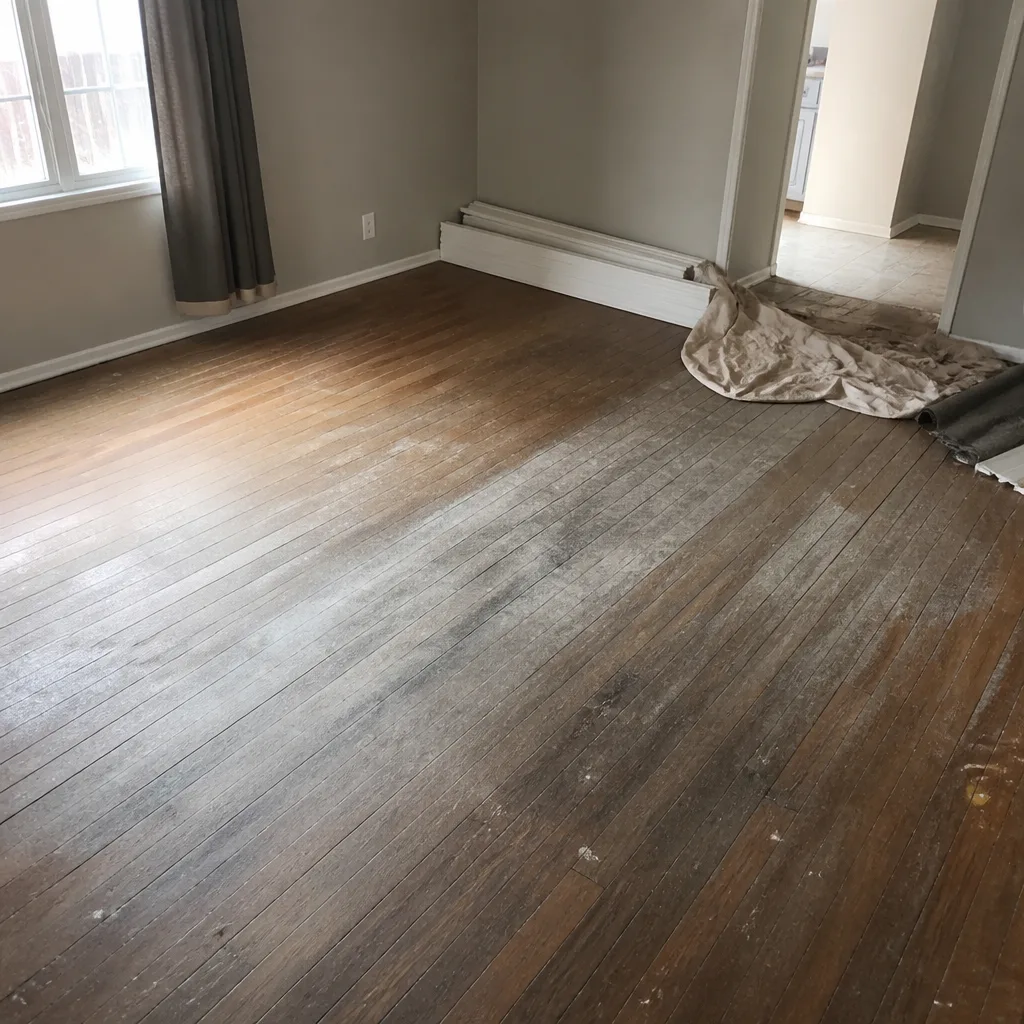 Before
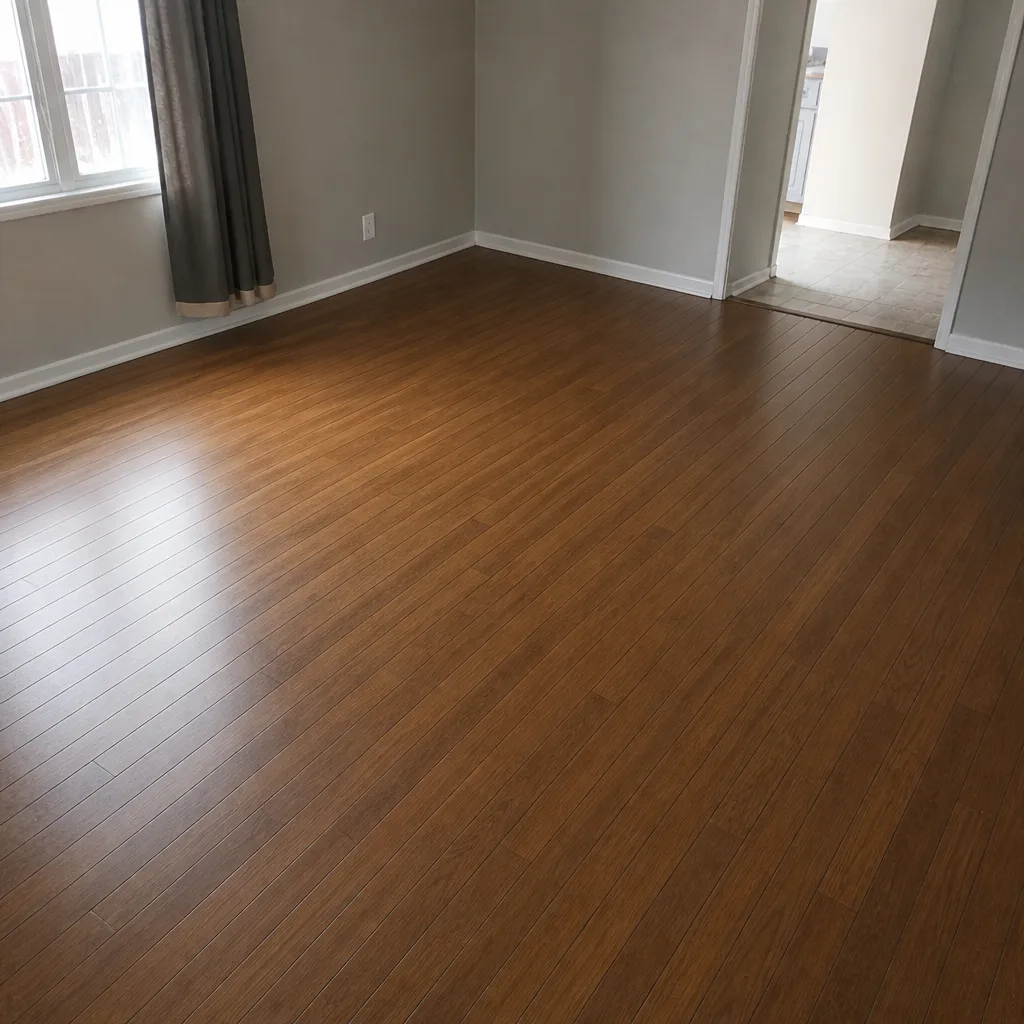 After
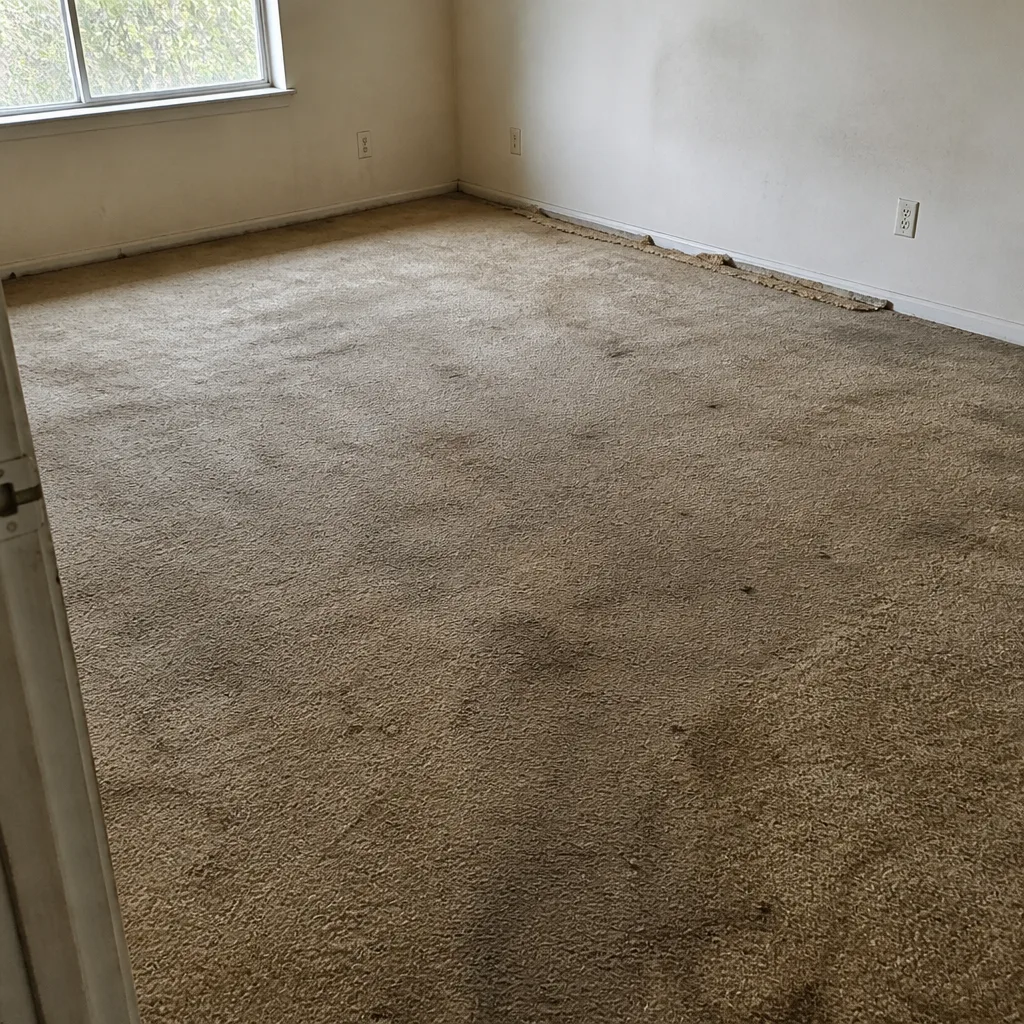 Before
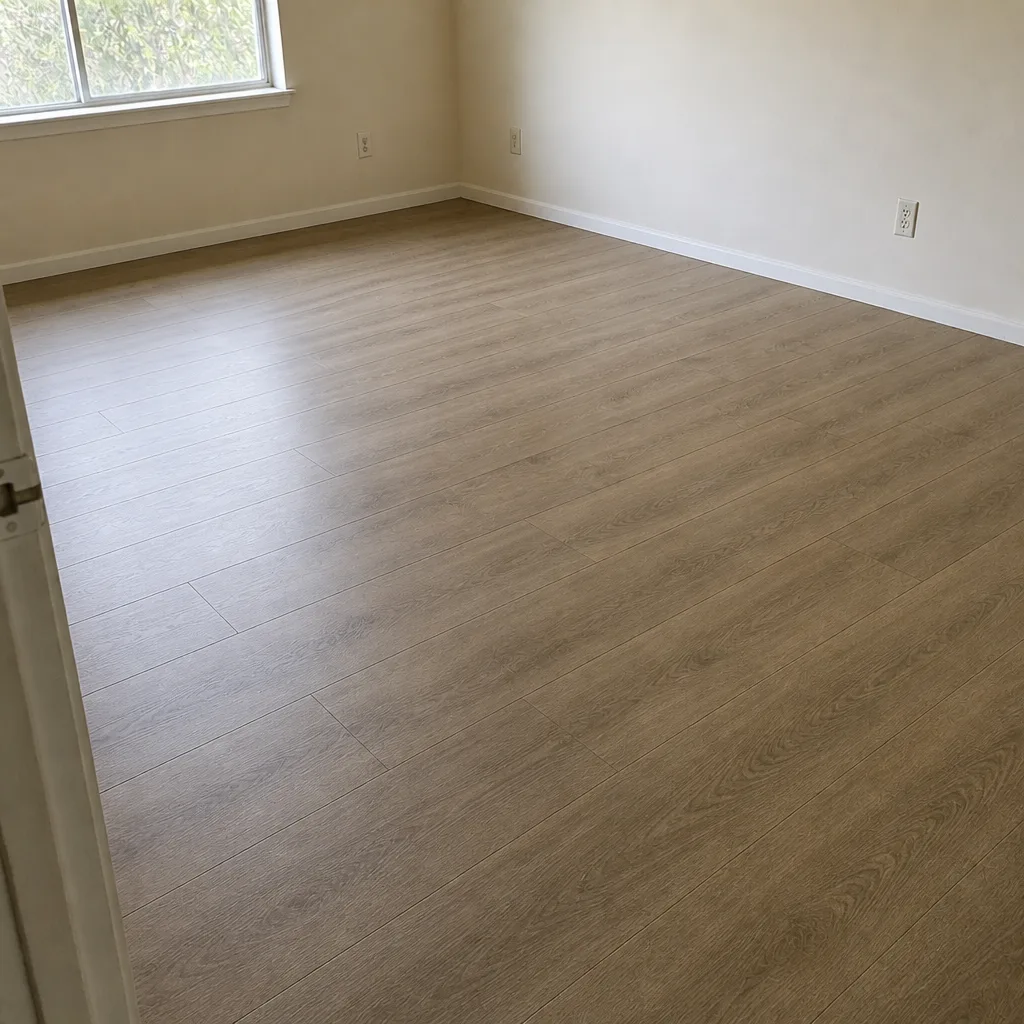 After
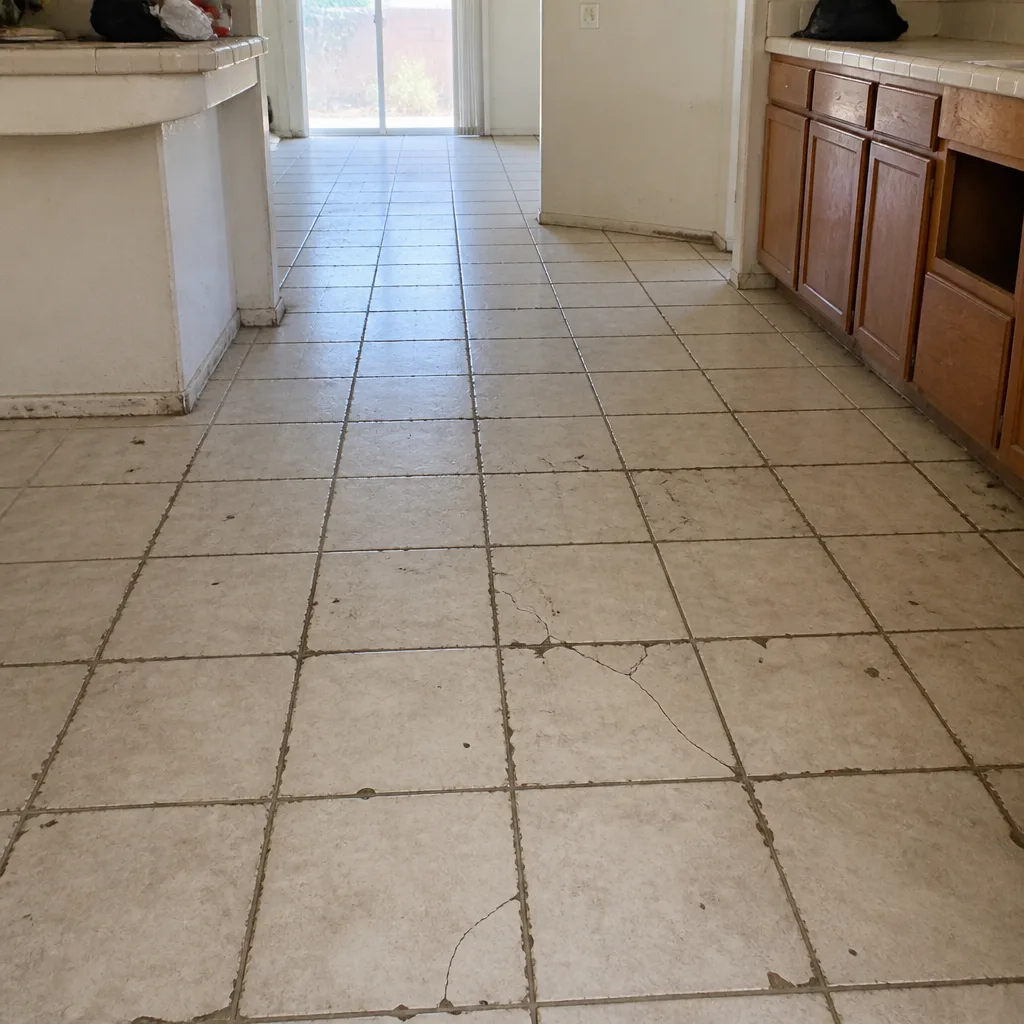 Before
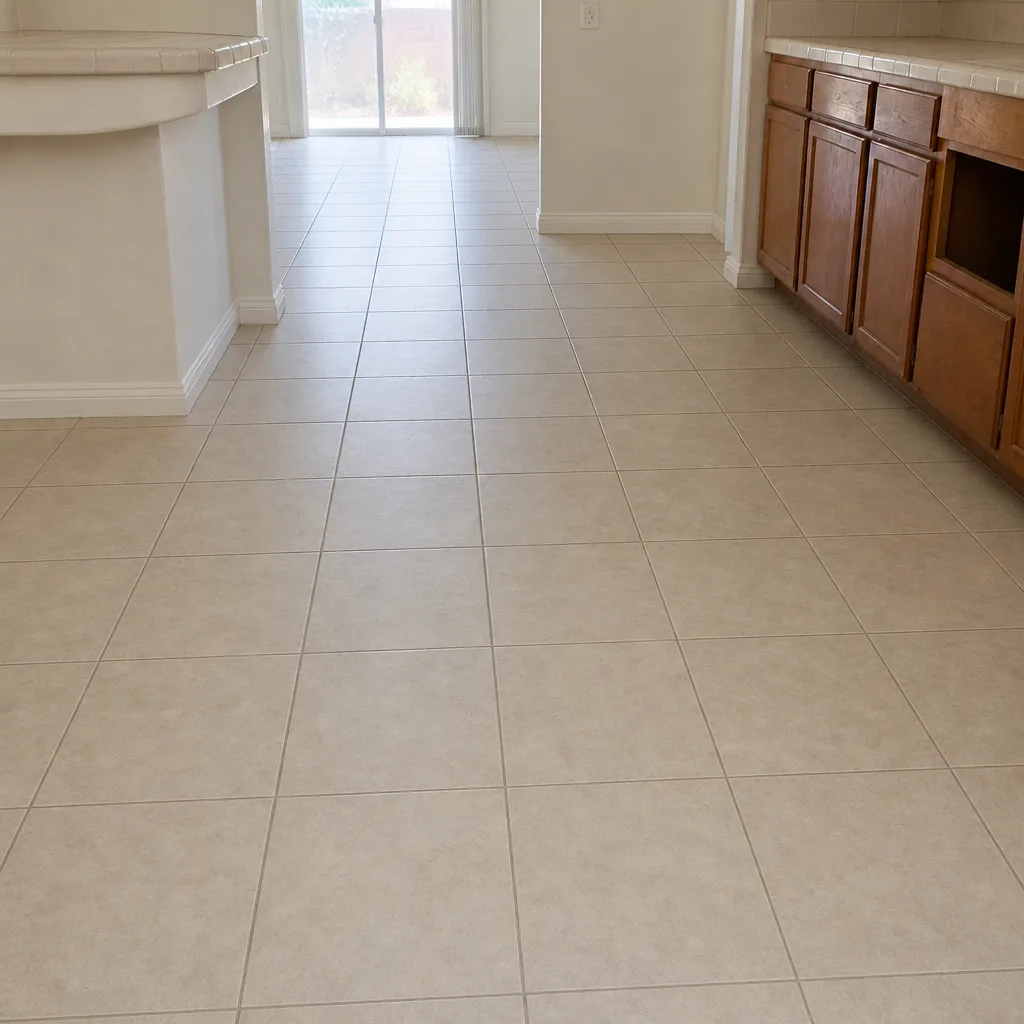 After
When to Call a Professional
Some choices are safe to make from a photo. Others need eyes on the room. If your subfloor has cracks or dips, if you’re laying tile over a concrete slab in Summerlin, if you have hardwood and don’t know whether it can be refinished, or if you’re weighing five materials across a whole house, a free in-home measure is the fastest way to a real number. Bring a pro in before you buy material, so the product is chosen for the room rather than the other way around. Flooring Summerlin offers free estimates in Summerlin – call (844) 320-6715. We answer 24/7. Fast dispatch, 7am-7pm.
Frequently Asked Questions
Installed flooring in Summerlin in 2026 typically runs from about $3 to $5 per square foot for carpet and $7 to $15 for tile, with LVP, laminate, and hardwood falling in between depending on material and room conditions. Those are estimated ranges, and the written estimate after a measure sets the final price. Call (844) 320-6715 to schedule a free estimate.
The material price covers only the planks, tiles, or carpet – the installed price adds labor, demo and haul-off, subfloor prep, transitions, and furniture handling. A plank quoted near $3 per square foot commonly lands near $7 installed once those items are priced. Call (844) 320-6715 and we’ll break the estimate into itemized lines so you see exactly what you’re paying for.
Often yes, but only if the wood is thick enough and in good enough condition – we check that at the estimate visit, and we can’t promise it until we’ve looked. Refinishing is a standalone service for us, not an upsell. Call (844) 320-6715 for a free estimate and we’ll tell you plainly whether refinishing is viable.
The installation timeline depends on the material, the square footage, and the prep the room needs, so it’s set at the estimate rather than guessed over the phone. What we can say is that the schedule is booked around a free in-home measure and a written price, so the install day is one you’ve planned for. Call (844) 320-6715 to start with the measure.
Tile and water-resistant luxury vinyl handle the dry air and temperature swings well, and tile stays cool underfoot in the heat, while wood needs a humidity-aware look before install. Over a slab, moisture testing is required before any floor goes down. Call (844) 320-6715 and we’ll match the material to your rooms and the way your home runs.
Yes – the in-home measure and written estimate are free, and the price is set per job by that written estimate. There’s no fee to get a number. Call (844) 320-6715. We answer 24/7. Fast dispatch, 7am-7pm.
The Bottom Line
Flooring cost in Summerlin in 2026 is about more than the material. The installed price is what matters: roughly $3 to $5 per square foot for carpet, $4 to $9 for LVP, $5 to $8 for laminate, $8 to $14 for hardwood, and $7 to $15 for tile. Demo, subfloor prep, transitions, and furniture moving are real line items, and a quote that leaves them out isn’t cheaper – it’s short. Read every estimate line by line. Check whether hardwood can be refinished before you replace it. And measure before you budget, not after. Nine brands. One specialty. The right floor for how you actually live.
Ready to see real numbers for your rooms? Call (844) 320-6715 for a free estimate in Summerlin. We answer 24/7. Fast dispatch, 7am-7pm.
Written by the team at Flooring Summerlin.