
Last updated November 18, 2026
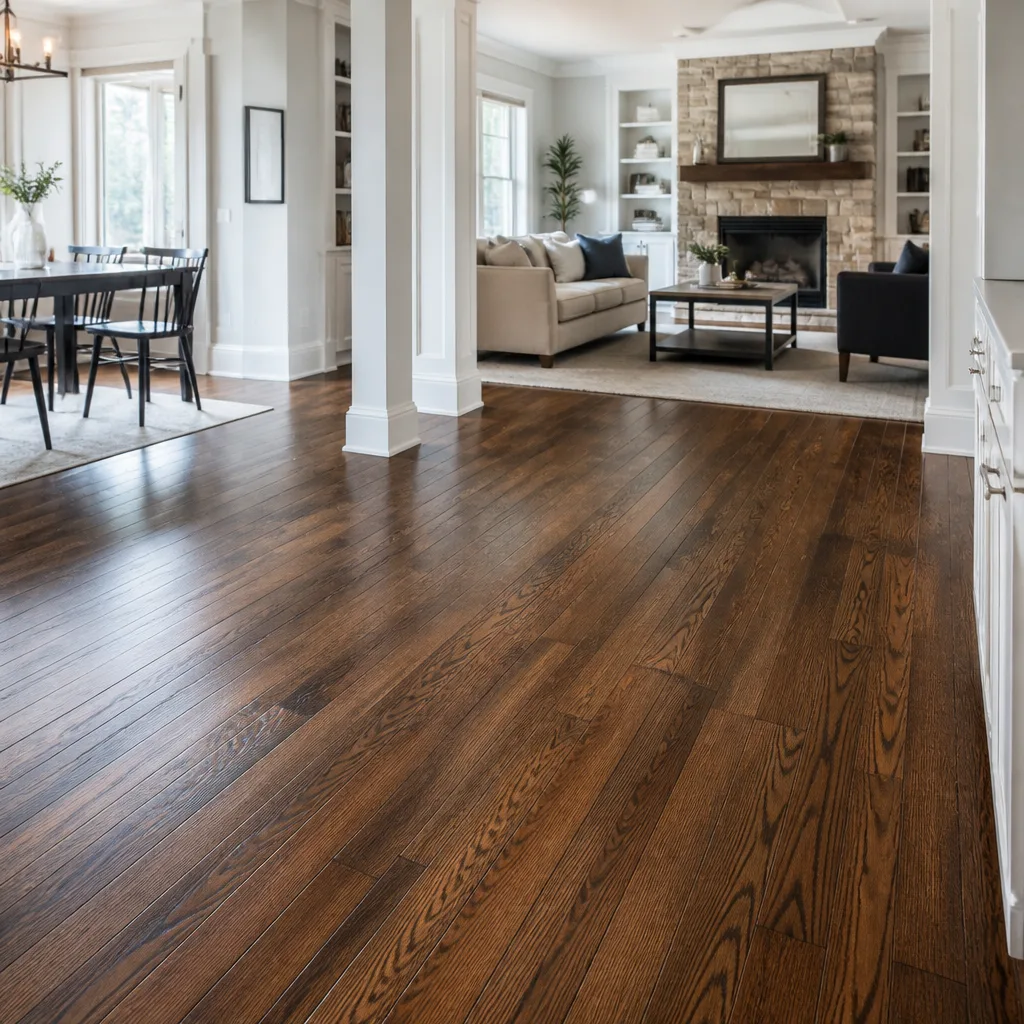 Hardwood
 Engineered hardwood
 Luxury vinyl plank
 Laminate
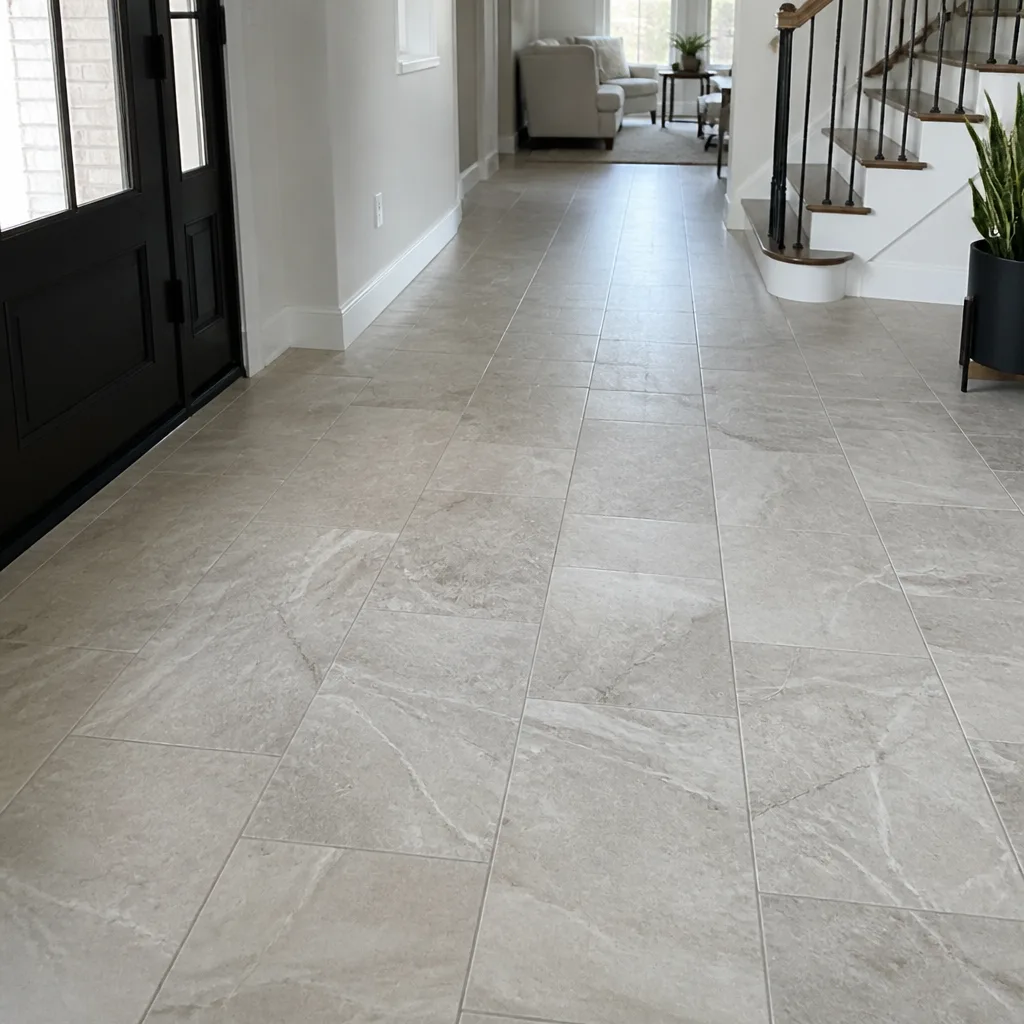 Porcelain tile
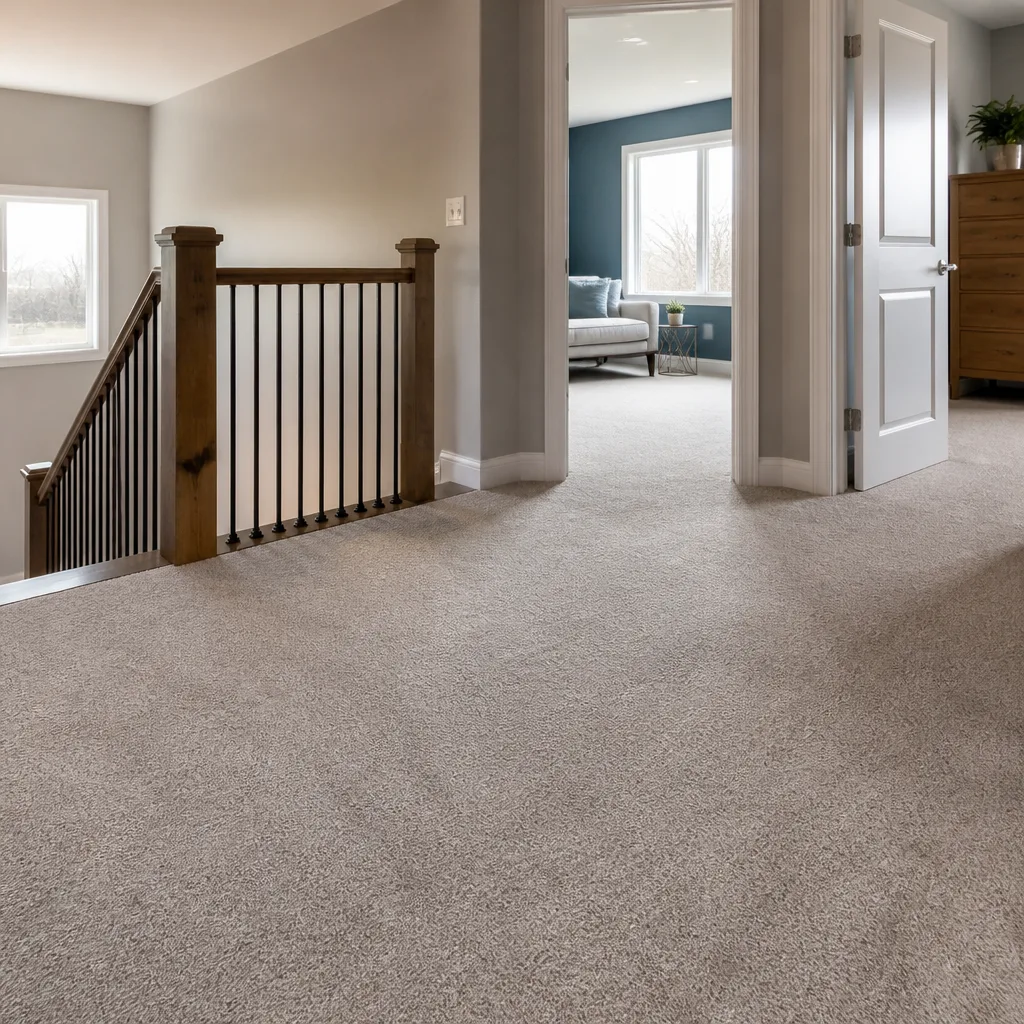 Carpet
 Shaw
 Mohawk
 COREtec
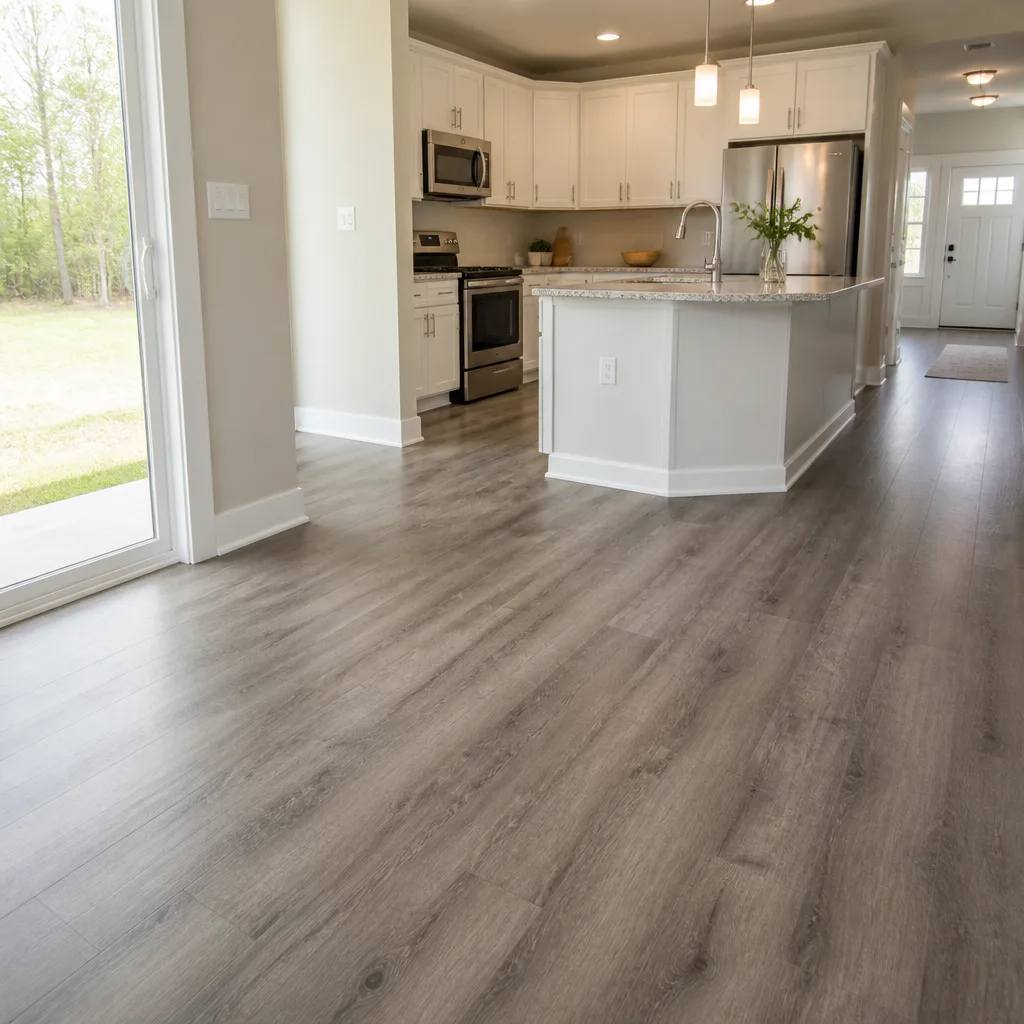 Pergo
Free in-home measure and written estimate: Shaw, Mohawk, COREtec and Pergo lines compared on your own rooms, with carpet, tile, vinyl plank, laminate and hardwood laid out side by side
Get your free estimateFlooring Installation Questions to Ask Before You Sign
Most flooring contracts are signed within 48 hours of the first estimate, before homeowners have had time to ask the questions that actually matter. That’s a window of two days to catch scope gaps, labor warranty terms, and subfloor assumptions buried in the fine print. The floor you’ll walk on for the next decade depends on what you ask in those forty-eight hours, not on which estimate landed lowest. This guide is written for Summerlin homeowners weighing carpet, tile, and hardwood choices, and for anyone who wants the questions that separate a flooring specialist from a generalist with a flooring line item. We’ll walk through the contract-level questions, material-specific ones, timeline gaps, and the answers that should make you pause before signing.
Quick Answer
Before signing a flooring contract, ask five contract-level questions: who repairs the subfloor and at what cost, what the labor warranty covers and for how long, who physically performs the installation, how change orders are priced and approved, and what “completion” means in writing. Then ask material-specific questions about acclimation for hardwood, lippage tolerance for tile, and click-lock versus glue-down for luxury vinyl. A qualified flooring specialist answers all of them without hesitation.
Styles & brands we work with
- Hardwood
- Engineered hardwood
- Luxury vinyl plank
- Laminate
- Porcelain tile
- Carpet
- Shaw
- Mohawk
- COREtec
- Pergo
Table of Contents
- The Five Contract Questions That Expose Hidden Assumptions
- Subfloor: Who Repairs It, Who Pays, and What’s in Scope
- Labor Warranty: What It Covers and What It Doesn’t
- Who’s Actually Performing the Installation?
- Change Orders and What “Completion” Means
- Material-Specific Questions: Hardwood, Tile, Luxury Vinyl
- Brand, Product Spec, and What’s Actually Right for Your Home
- Timeline Questions Most Homeowners Skip
- What a Qualified Specialist Answers Without Hesitation
The Five Contract Questions That Expose Hidden Assumptions
A flooring contract is a scope document, not just a price. The five questions below force the scope into the open before you sign. We’ve watched homeowners discover mid-install that the estimate assumed a flat, sound subfloor and the actual subfloor needed work nobody priced. Asking these five up front is the cheapest insurance in the trade.
- Who handles subfloor repair, and is it in this price? Subfloor prep is the single biggest hidden cost in flooring. Ask whether the estimate includes it, whether the price is capped, and how a surprise is handled.
- What does the labor warranty cover, and for how long? Manufacturer warranties cover product defects, not installation failures. Ask specifically about the labor warranty in writing.
- Who is physically performing the installation? Is it the company’s own installers, subcontractors, or a crew assembled for the job? The answer affects accountability and consistency.
- How are change orders priced and approved? If you add a room or switch material mid-project, how is the price set, and do you approve in writing before work proceeds?
- What does “completion” mean in writing? Is it when the last plank is down, or when the punch list is cleared and you’ve signed off? Get the definition in the contract.
None of these are adversarial questions. A flooring-only specialist expects them and answers them as a matter of course. A generalist who treats floors as one line among many often hasn’t thought about them, and the silence tells you something.
Subfloor: Who Repairs It, Who Pays, and What’s in Scope
Subfloor is where low bids are made and where surprise charges are born. Ask this before anything else. The subfloor is the plane your finished floor sits on, and it has to be flat and sound for any material to perform. A quote that assumes a good subfloor without saying so is a quote with an asterisk.
Specific questions to ask:
- Is subfloor prep included in the estimate? If yes, what’s the assumed condition?
- What happens if the subfloor needs more work than expected? Is there a written cap, or is it billed at a rate you’re told up front?
- Does the price include removal and disposal of the old flooring? Tear-out, haul-away, and dumpster fees are separate line items more often than homeowners expect.
- How is moisture in the slab checked before material goes down? In Summerlin’s dry climate, moisture from below is less of a concern than in wet regions, but a slab can still hold moisture, and the test belongs in the scope.
- Are transitions and thresholds included? At doorways, at exterior doors, and between rooms with different materials.
In our experience, the most common gap between a low bid and a fair bid is scope, not labor rate. A quote that leaves subfloor prep, tear-out, and disposal unpriced looks cheaper and isn’t. When you compare estimates, compare the scope line for line. If two bids are hundreds of dollars apart, find out exactly what one includes that the other doesn’t before assuming the higher one is overpriced.
Labor Warranty: What It Covers and What It Doesn’t
Manufacturer warranties cover product. Labor warranties cover the installation. They are different documents, and only one of them protects you from a floor that lifts, gaps, or telegraphs because of how it was installed. Ask for the labor warranty in writing before you sign.
Specifics to pin down:
- The term. How long is the labor warranty, and does it start on the install date or the completion date?
- What’s covered. Lifting planks, failed seams, loose tile, popped nails, and telegraphing of subfloor imperfections are common labor-warranty items. Confirm which are included.
- What’s excluded. Most labor warranties exclude damage from water, pets, heavy furniture, improper cleaning, and normal wear. Understand the exclusions so you’re not surprised.
- The remedy. Is the warranty a repair or a replacement? Does it cover labor only, or materials too?
- The claim process. Who do you call, and what’s the response time?
For product-level coverage, the warranty comes from the manufacturer of the brand you choose. Brands in our portfolio like Mohawk, COREtec, Pergo, and LifeProof carry their own manufacturer product warranties, and we supply and install to the product instructions the manufacturer sets. We don’t restate those terms here because they vary by product and by home, and the written estimate and product documentation set the final terms. Ask your installer to walk you through both the labor warranty and the product documentation side by side so you understand which document covers what.
Who’s Actually Performing the Installation?
This question is often skipped and always matters. Ask directly: who is doing the work? The answer tells you who’s accountable when something goes wrong.
Three possible answers, and what each means:
- The company’s own installers. The most direct accountability. The same business that quoted the work stands behind the labor. This is how we work: every job is a flooring job, and our technicians have up to 9 years of experience.
- Subcontractors the company vets and manages. Common in the trade. The company remains accountable, but the crew on your floor may be independent. Ask how the company vets them and who handles a punch-list item.
- A crew assembled for the job. The least predictable. Ask who supervises, and who handles problems when they arise mid-install.
Material-matched installation matters here too. Carpet, tile, and hardwood each demand different skills. A crew that installs all three without specialization may do one well and two adequately. Ask whether the installers assigned to your job work in the material you’ve chosen. If you’re weighing carpet installation for a bedroom and tile for a bathroom, ask whether the same crew handles both or whether each material gets its own trained installer.
One more sub-question: will the person who measured be on site at the install? The person who measured knows the room’s quirks, and continuity of knowledge matters.
Change Orders and What “Completion” Means
A change order is a written amendment to the contract. It’s how the price and scope change when the project changes. Ask how change orders are handled before you sign, because every project has at least one, even a small one.
Ask:
- Is there a written change-order process? Yes or no. If yes, ask to see the form.
- Does the price change require approval before work proceeds? It should. Work that happens before approval is work that happens before price agreement.
- How is a mid-project material switch priced? If a plank is discontinued or you upgrade a room’s material, what’s the process and who pays the difference?
- What is the deposit and when is the balance due? Deposits vary; the balance should be tied to something you can verify, not just a date.
“Completion” is the other half of this question. In writing, what does it mean? A clear definition usually includes: all materials installed to spec, all transitions and trim in place, all punch-list items and cleanup done, and a final walkthrough with you, after which the balance is due. Vague completion language invites disputes about when final payment is triggered. Ask the contractor to define it in one sentence on the contract.
Material-Specific Questions: Hardwood, Tile, Luxury Vinyl
Each material category has its own questions. Carpet, tile, and hardwood fail in different ways, and the questions you ask should match the material. Ask the right ones and you learn whether your installer understands the material or is winging it.
Hardwood
- How is acclimation handled? Hardwood needs to adjust to the home’s indoor conditions before installation. Ask how the installer manages acclimation and what the product instructions require. Summerlin’s dry climate is different from coastal markets, and the process should reflect that.
- What’s the moisture reading and plan? Ask whether the installer measures moisture in the subfloor and how the plan responds to it.
- Can my existing floor be refinished instead? Refinishing restores solid hardwood without full replacement, and it’s a genuine alternative many contractors skip. Whether your floor can be refinished depends on the thickness of the wood and its condition, which the estimate visit determines.
- What’s the sanding and finish sequence? For refinishing, ask about dust control and the number of coats, tied to the product instructions.
Tile
- What’s the lippage tolerance? Lippage is the height difference between adjacent tile edges. Ask how the installer manages it, especially with large-format tile.
- What’s the backer board or underlayment plan? The substrate under tile determines whether the floor stays sound.
- What’s the grout joint width and why? Joint width is a design and performance choice, and it should be specified in the estimate.
- Which tile brand, and why? Daltile is a professional-grade ceramic and porcelain brand trusted by professional tile setters nationwide, and we install it. Ask which tile line and format you’ve chosen and how it fits your room.
Carpet and Luxury Vinyl
- What’s the pile and fiber, and what’s it rated for? Carpet works best when it matches the room and the traffic. Ask which fiber fits the room.
- Click-lock or glue-down vinyl? This is one of the most consequential decisions for luxury vinyl. Click-lock floats over the subfloor; glue-down bonds to it. The answer depends on the room, the subfloor, and the product. Ask the installer to explain the choice in front of you.
- What’s the water resistance? No floor is waterproof; standing water and moisture from below have to be dealt with. Ask what water-resistant means for the specific product you’ve chosen.
Brand, Product Spec, and What’s Actually Right for Your Home
Ask how the product recommendation was made. If the answer describes what’s in stock rather than what fits your room, lifestyle, and budget, notice. The recommendation should be driven by your home, not by inventory.
Good questions:
- Why this product for this room? Ask for a reason tied to your home: the room’s traffic, the subfloor, moisture, and how you live.
- What’s the alternative at a different price point? A specialist should offer options at every price point, not steer you to the top or bottom of the shelf.
- Can I see the spec sheet? The product specification tells you construction, dimensions, and installation requirements.
- Who supplies the product? We supply and install products from nine brands under one specialty, including Shaw, Mohawk, COREtec, Pergo, LifeProof, Mannington, Armstrong, Daltile, and Karndean. Nine brands, one specialty, so the recommendation is driven by your project.
- What’s the lead time on the product? More on that below.
For Summerlin homeowners weighing restoration versus replacement, ask whether refinishing is on the table. Refinishing existing hardwood is a cost-conscious and sustainable alternative to replacement, and it’s a core service we offer, not an afterthought. Ask what the estimate visit would check to know whether refinished floors would suit your home.
Timeline Questions Most Homeowners Skip
Timeline is where contracts generate complaints. Ask these before you sign.
- What’s the material lead time? How long from order to delivery, and what happens if the product is back-ordered?
- What’s the install window? Not a promise of a date, but a window. Install length depends on the material, the square footage, and the condition of the subfloor, and the schedule is set at the estimate.
- When can furniture go back? Dry time before furniture return depends on the material and the product instructions. Ask the installer to tell you in writing.
- How is the punch list resolved? Who comes back, in what window, and how is sign-off documented?
- What happens if the install slips? Weather, product delays, and crew schedules all affect timing. Ask how a slip is communicated.
In our experience, honest answers here are specific about windows and honest about dependencies rather than promising dates. We don’t promise same-day or next-day installs; the free in-home measure and estimate comes first, the written price follows, and then the install day is booked. For a free estimate in Summerlin, Flooring Summerlin walks you through the timeline questions in person.
What a Qualified Specialist Answers Without Hesitation
Confidence is a signal. A flooring specialist who has walked through these questions hundreds of times answers them directly, in writing, without hedging. Watch for these responses:
- Subfloor scope: “Here’s what we assume, here’s what we cap, and here’s how a surprise is handled.”
- Labor warranty: “Here’s the term, here’s what’s covered, and here’s what’s excluded.”
- Who installs: “Here’s who’s on site, and here’s who supervises.”
- Change orders: “Here’s the form, and work proceeds only after you approve in writing.”
Defensive answers, by contrast, look like this:
- Questions deflected with “we’ve done this for years” without a specific answer. Company age isn’t a substitute for scope.
- Warranty answers that start with “the manufacturer backs everything.” Manufacturer coverage doesn’t cover installation failures.
- Vague change-order language. “We’ll work it out” is not a process.
- Price pushback when you ask what’s included. Asking about scope is not a negotiation tactic.
- Inability to explain why a specific brand or product suits your room.
We’ve found that the clearest sign of a qualified specialist is that they welcome the questions. A flooring-only company should also tell you what they don’t do. We install tile flooring installation, install carpet, and refinish hardwood; if a project needs general remodeling, we’re not the crew. Knowing that boundary is part of the value.
Common Mistakes to Avoid
- Comparing total price without comparing scope. Two estimates are not comparable until you check subfloor prep, tear-out, disposal, transitions, and warranty line by line.
- Accepting a verbal labor warranty. Manufacturer product warranties don’t cover installation. Get the labor warranty in writing, with the term and exclusions.
- Skipping the acclimate question on hardwood. Summerlin’s dry indoor conditions can affect a wood floor’s fit. Ask how acclimation is handled before installation.
- Not asking who physically performs the install. The crew on your floor is the crew that answers for the job. Ask who supervises and who handles the punch list.
- Assuming “waterproof” means you can ignore standing water. No floor tolerates standing water or moisture from below. Ask what water-resistant means for the product you’re considering.
- Forgetting to ask when furniture can go back. Dry time depends on the material and the product instructions. Ask the installer for a written window.
- Not asking whether refinishing is an option. For solid hardwood, refinishing can restore the floor without replacement. Ask at the estimate visit whether your floor’s condition supports it.
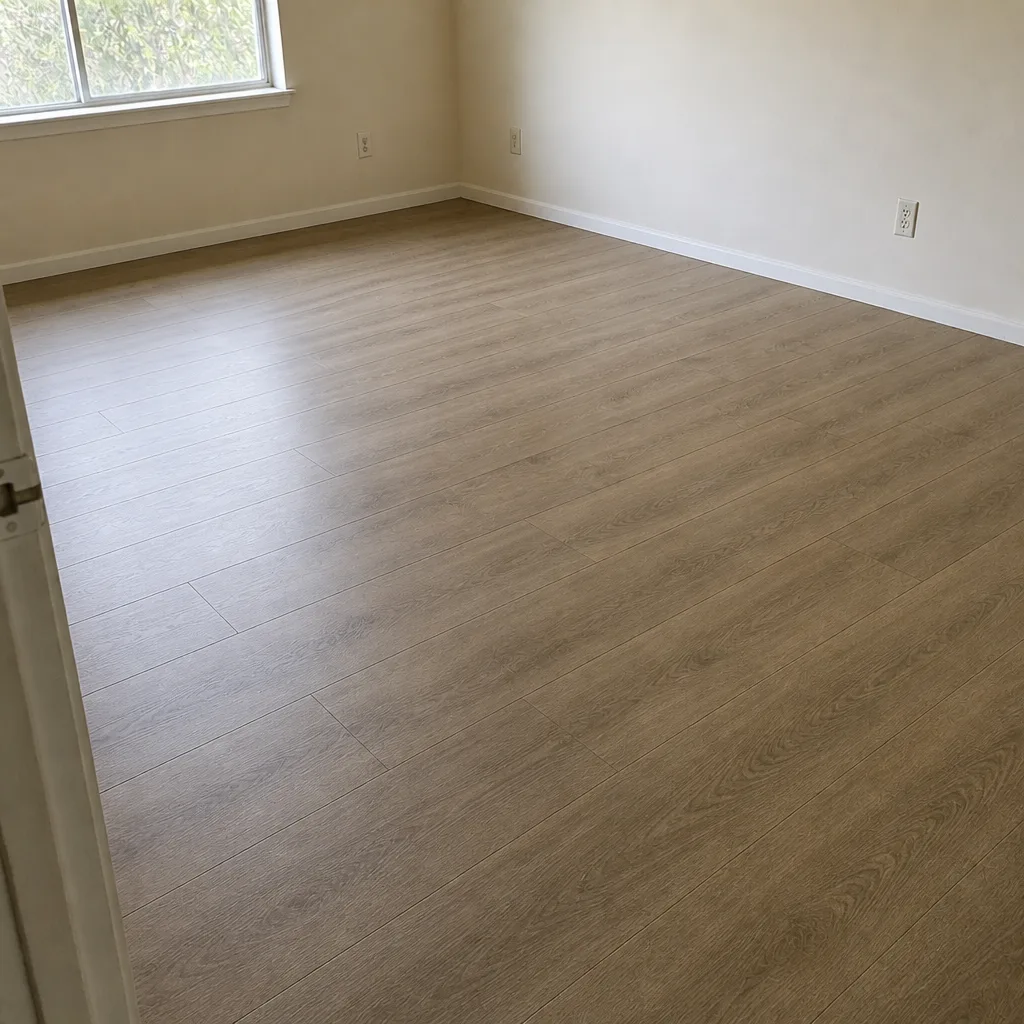
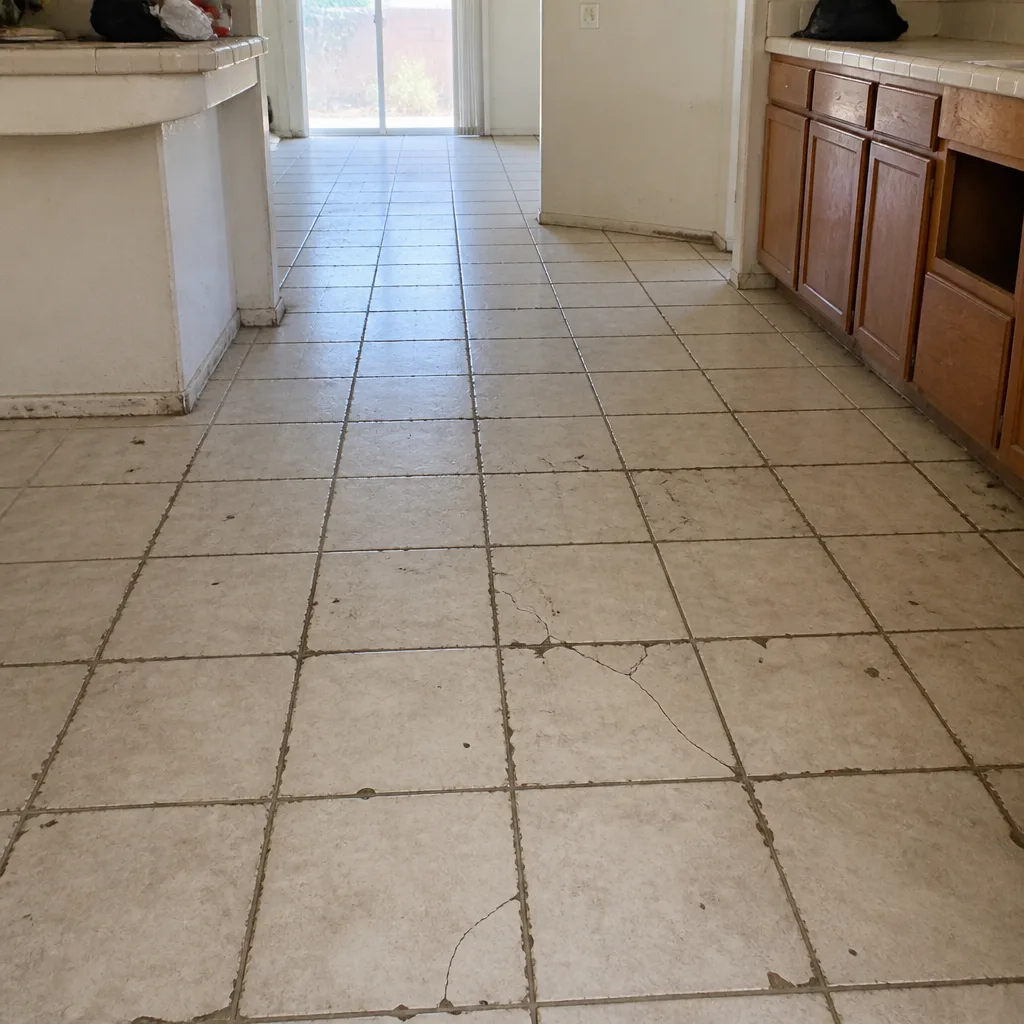
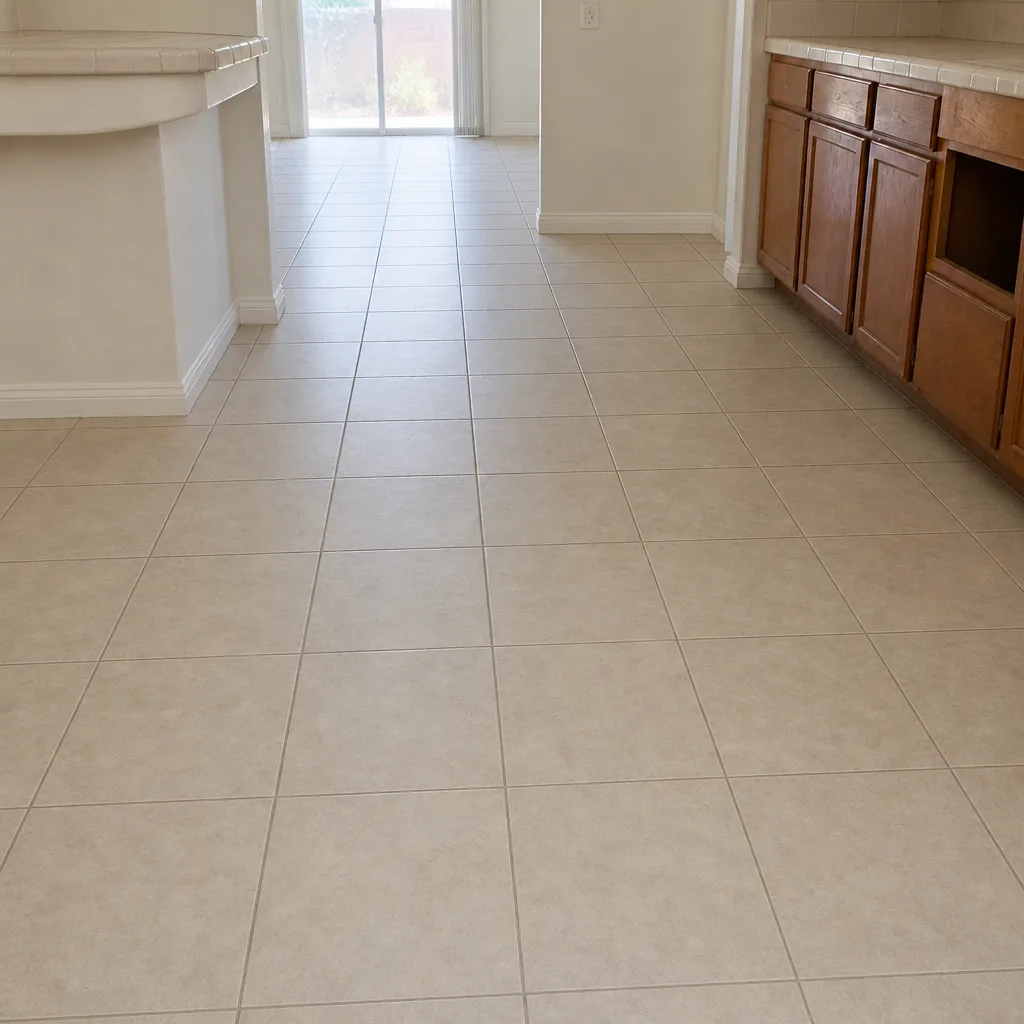
See the difference
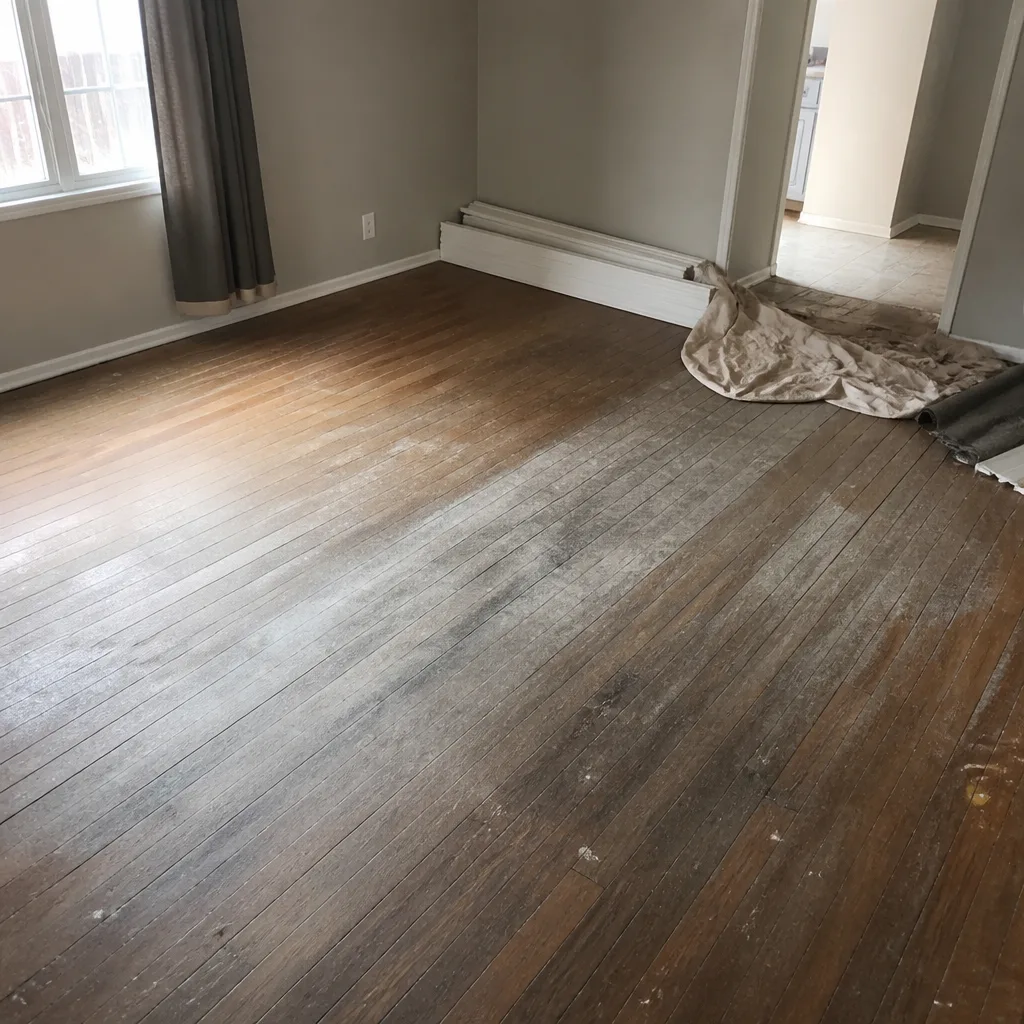 Before
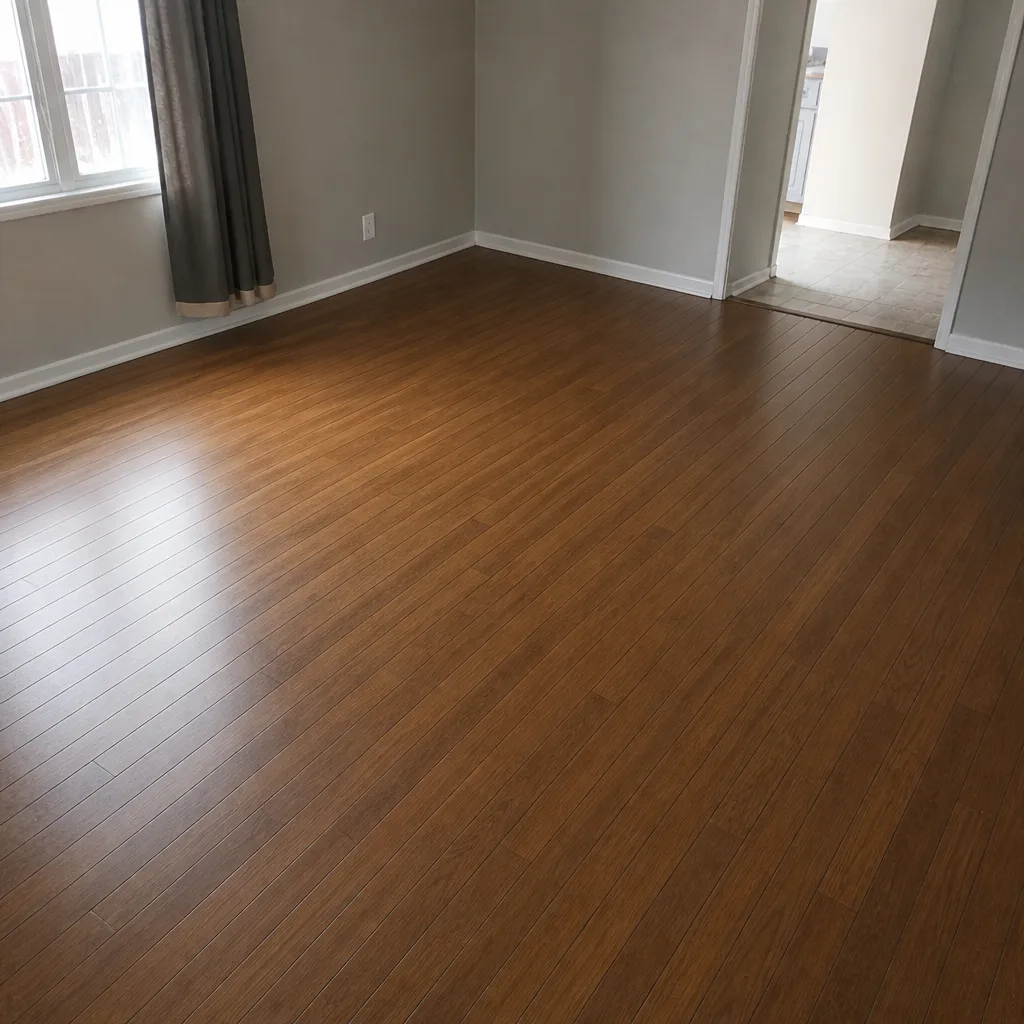 After
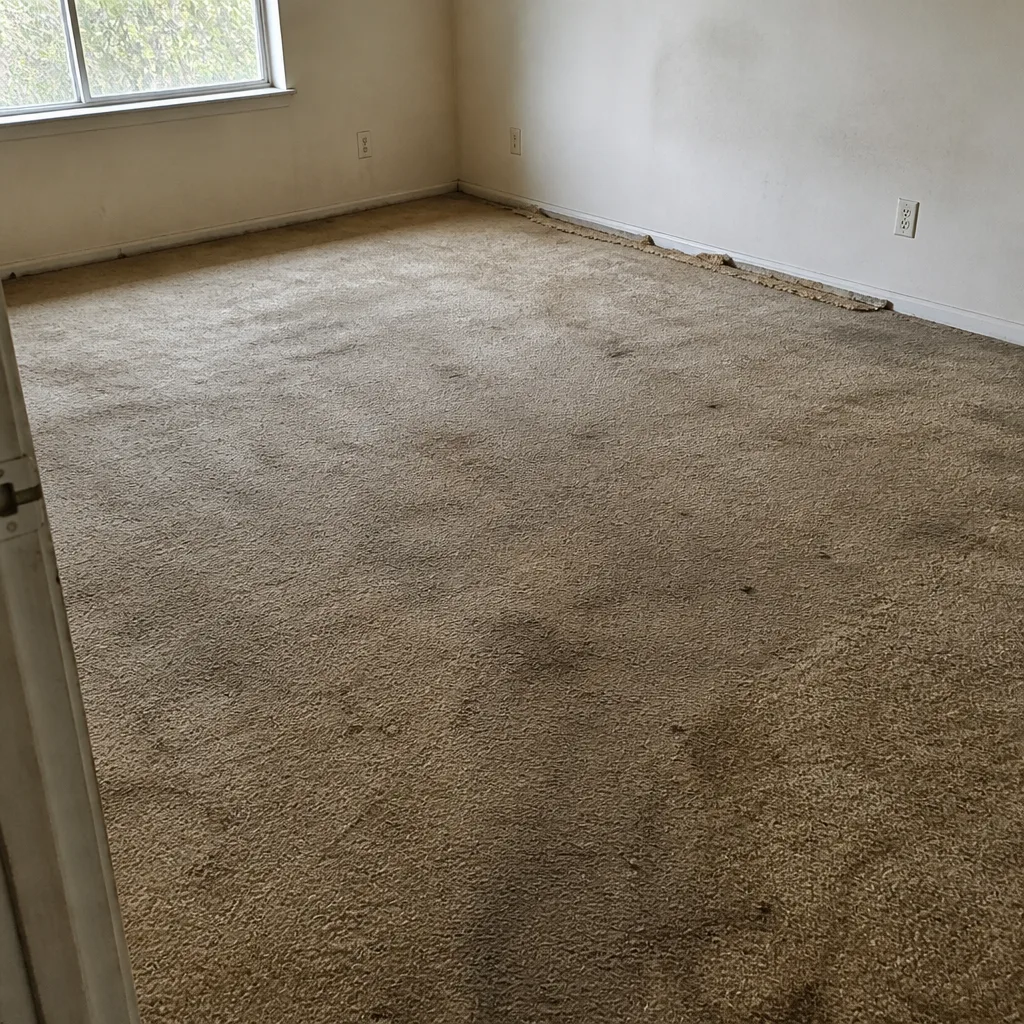 Before
 After
 Before
 After
When to Call a Professional
Some projects genuinely need a specialist, and asking about them up front is worth the call. If you’re installing or replacing carpet, tile, or hardwood, if the room involves a subfloor you’re unsure about, if you’re weighing refinishing versus replacement on existing solid hardwood, or if you’re coordinating flooring across more than one room and need the materials to line up at the transitions, bring in a flooring specialist. The same is true if you’re replacing a failure and want to understand why the first install didn’t hold. In Summerlin and the surrounding neighborhoods, the questions in this guide are the ones a seasoned specialist answers on the spot. Flooring Summerlin offers free estimates in Summerlin through Summerlin; call (844) 320-6715 to schedule yours.
Frequently Asked Questions
Ask who repairs the subfloor and whether that work is in the price. Subfloor prep is the biggest source of hidden cost in flooring, and a quote that doesn’t state it clearly is a quote with an asterisk. Ask whether the estimate includes subfloor work, whether the price is capped, and how a surprise is handled. Call (844) 320-6715 for an exact quote; estimates are free.
A labor warranty should cover installation failures: lifting planks, failed seams, loose tile, and similar issues tied to how the floor was put down. Ask for the term, the exclusions, and the claim process in writing. Manufacturer warranties cover product defects, not installation, and they’re a separate document. Call (844) 320-6715 to schedule a free estimate.
Install length depends on the material, the square footage, and the condition of the subfloor, and the schedule is set at the estimate. We don’t promise same-day or next-day installs. The free in-home measure and written estimate come first, followed by the booked install day. Call (844) 320-6715 to book your measure.
Often yes, and it’s worth asking. Refinishing restores solid hardwood without full replacement, and whether your specific floor can be refinished depends on the thickness of the wood and its condition, which the estimate visit determines. We offer refinishing as a standalone service. Call (844) 320-6715 to schedule a free estimate.
It depends on the room, the subfloor, and the product. Click-lock floats over the subfloor; glue-down bonds to it. Ask the installer to explain the choice in front of you for your specific room, and ask what water-resistant means for the product you’ve chosen, since no floor tolerates standing water. Call (844) 320-6715 for a free estimate.
Ask who supplies the product and who installs it, and ask to see the spec sheet for the product you’ve chosen. We supply and install products from nine brands under one specialty, and we install to the product instructions. That’s material-matched installation, not a one-size-fits-all crew. Call (844) 320-6715 for a free estimate.
The Bottom Line
The questions in this guide are the difference between a contract you understood and a contract you signed. The five contract-level questions, the material-specific ones, the batch of timeline questions, and the pattern of confident versus defensive answers are the tools. None of it requires a background in flooring. It requires forty-eight hours and a written scope. Our technicians have up to 9 years of experience, and we install carpet, install tile, and refinish hardwood as a flooring-only specialty. If you’re comparing estimates in Summerlin, bring these questions to the table and compare scope line by line, not price.
Ready to compare? Call (844) 320-6715 for a free estimate. We answer 24/7. Fast dispatch from 7am to 7pm, Sunday through Friday.
Written by the team at Flooring Summerlin.