
Last updated November 18, 2026
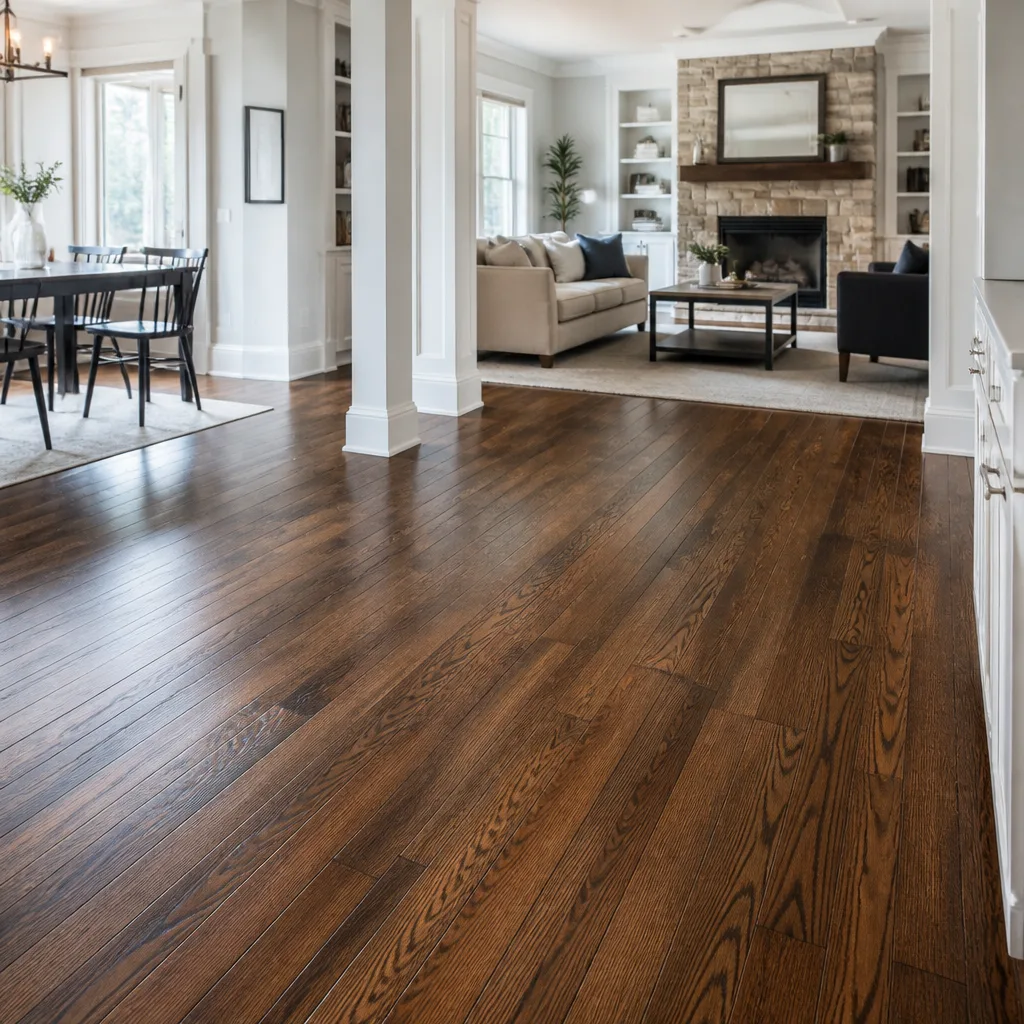 Hardwood
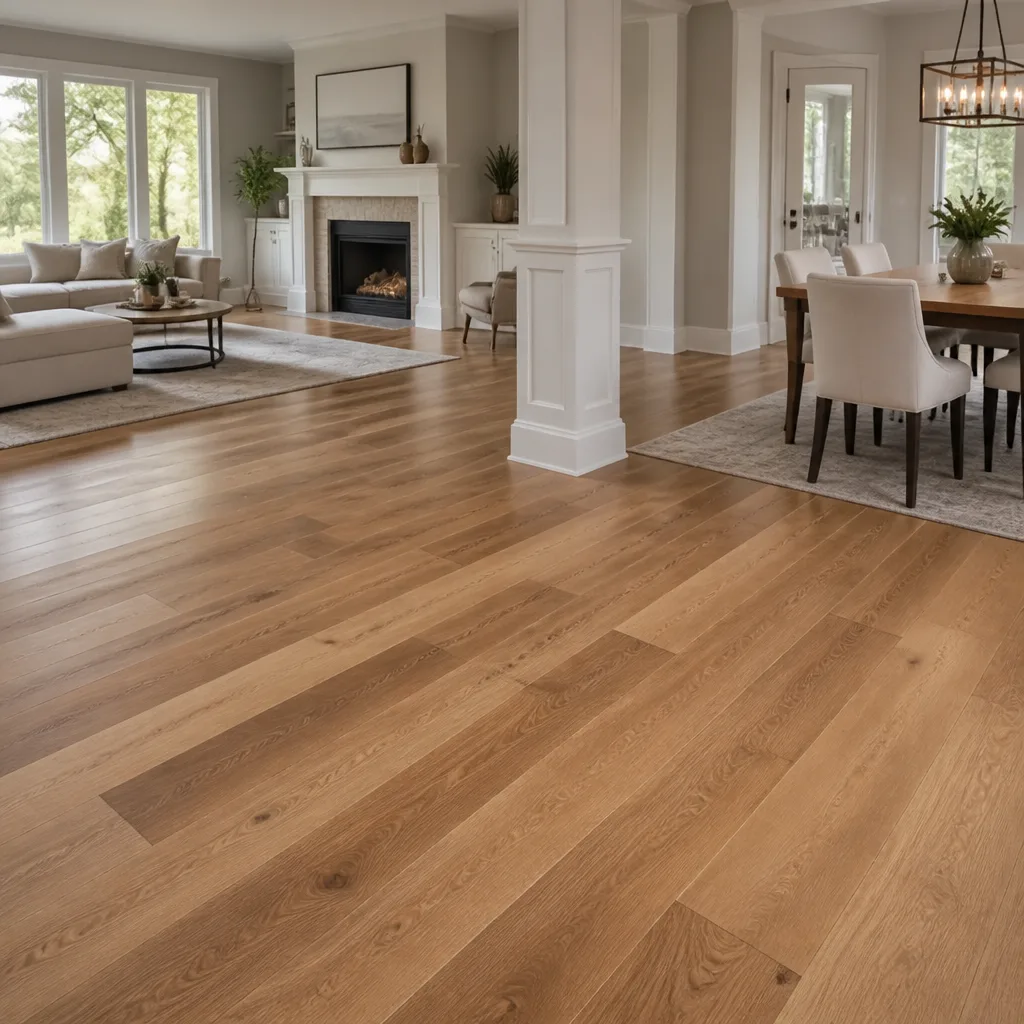 Engineered hardwood
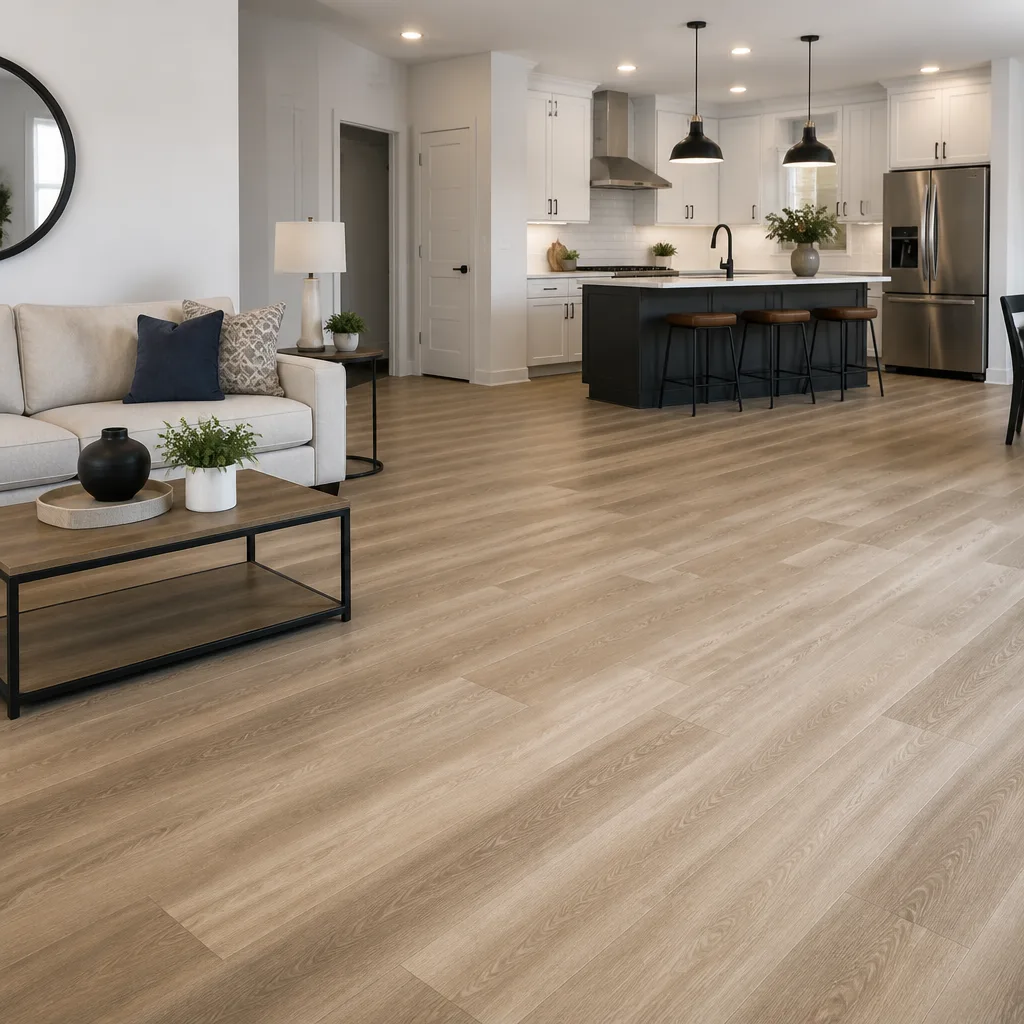 Luxury vinyl plank
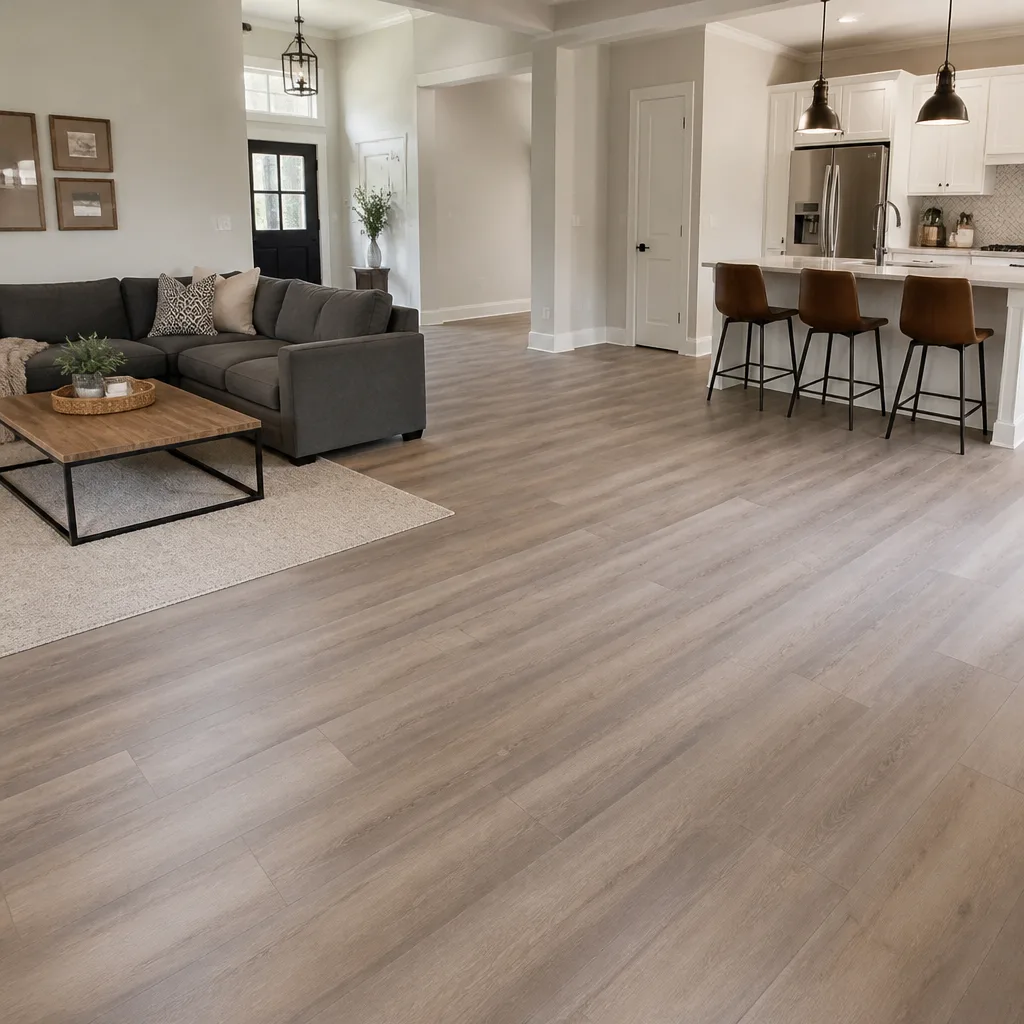 Laminate
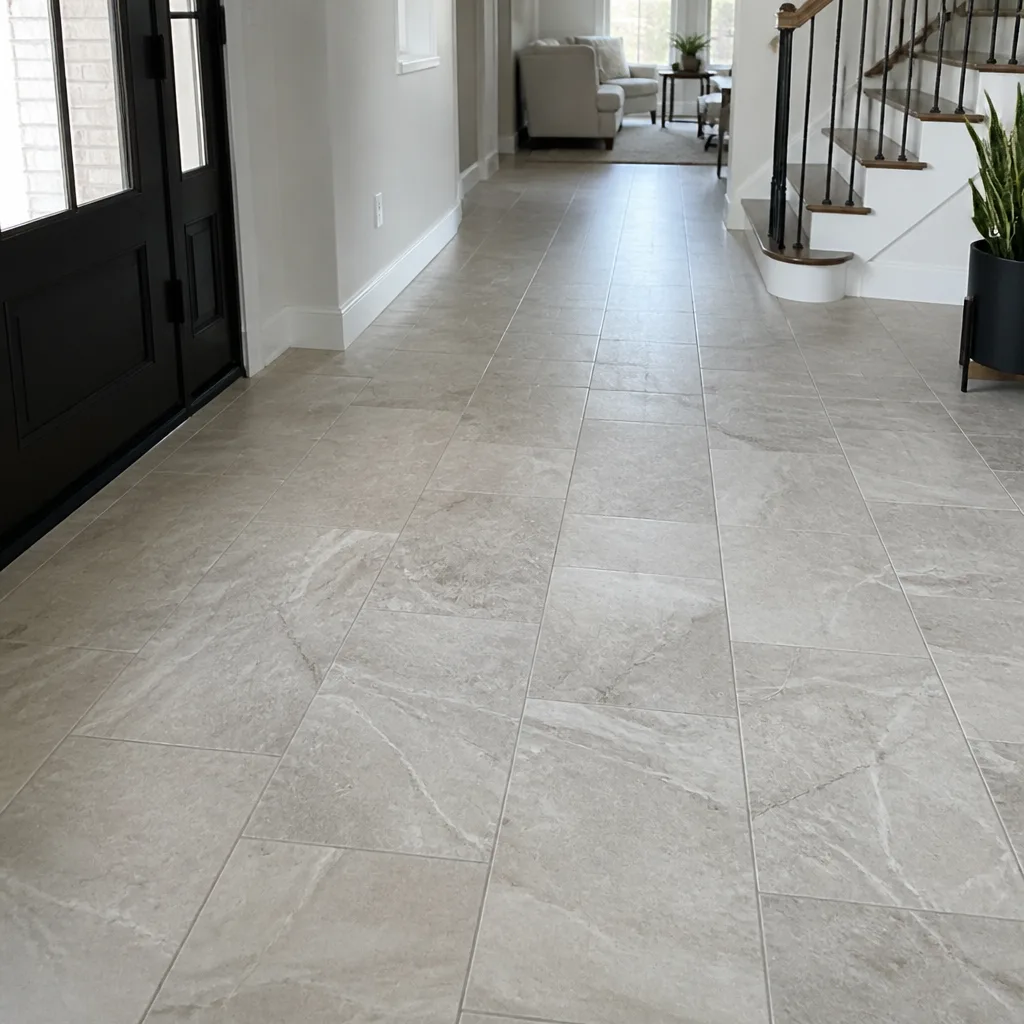 Porcelain tile
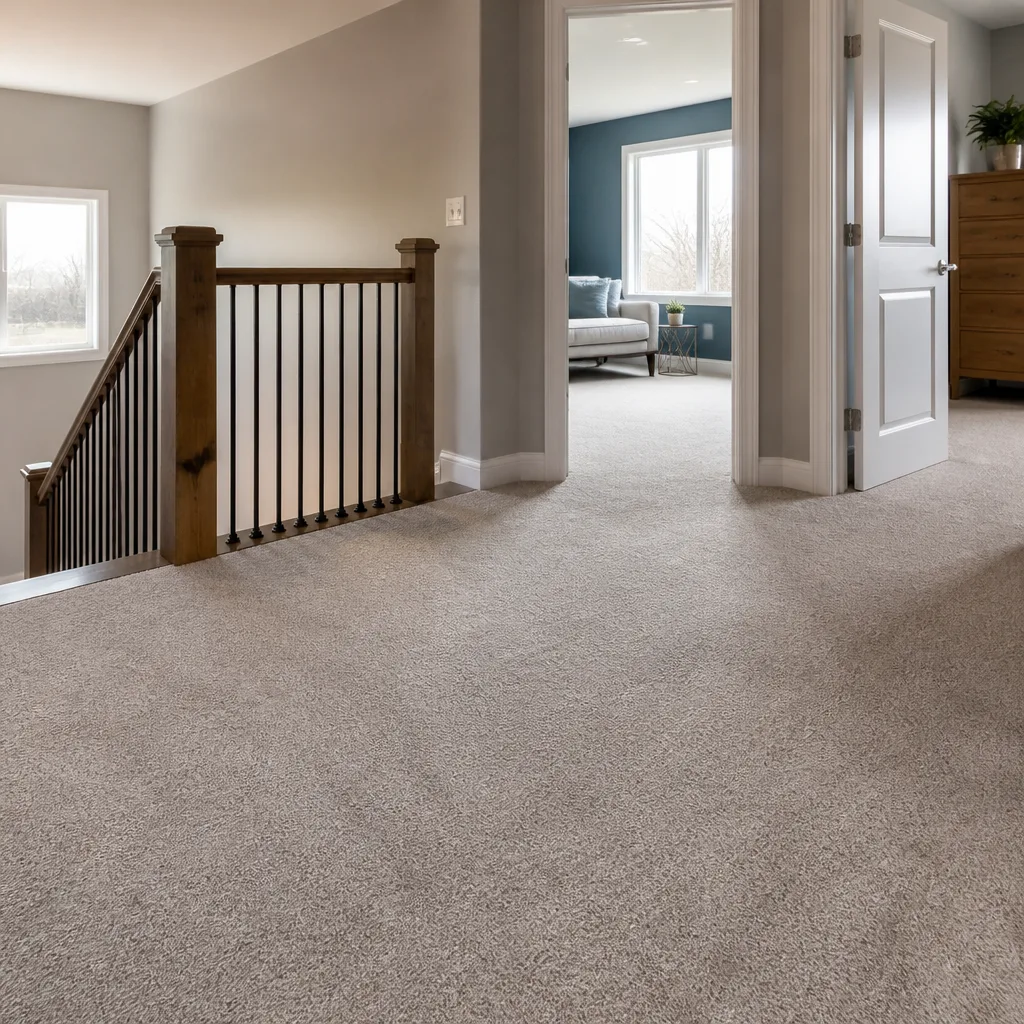 Carpet
 Shaw
 Mohawk
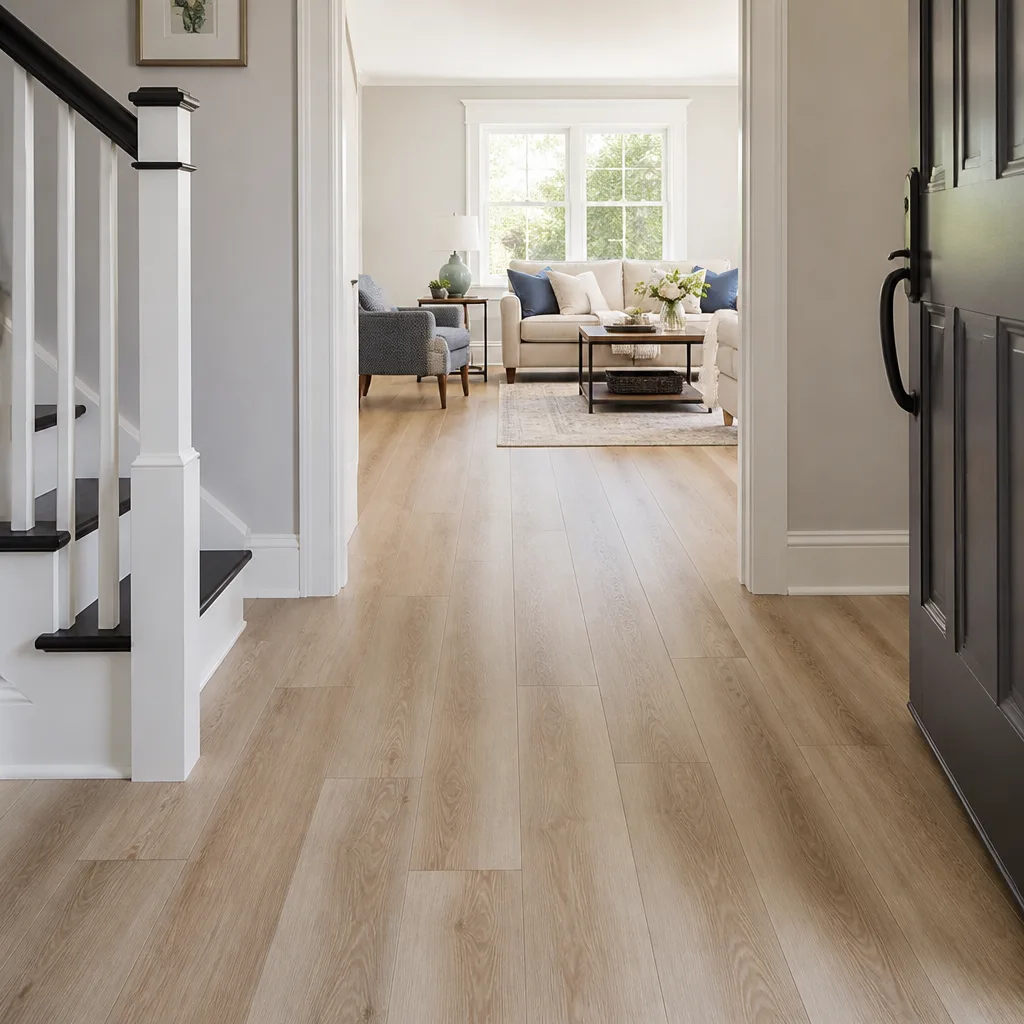 COREtec
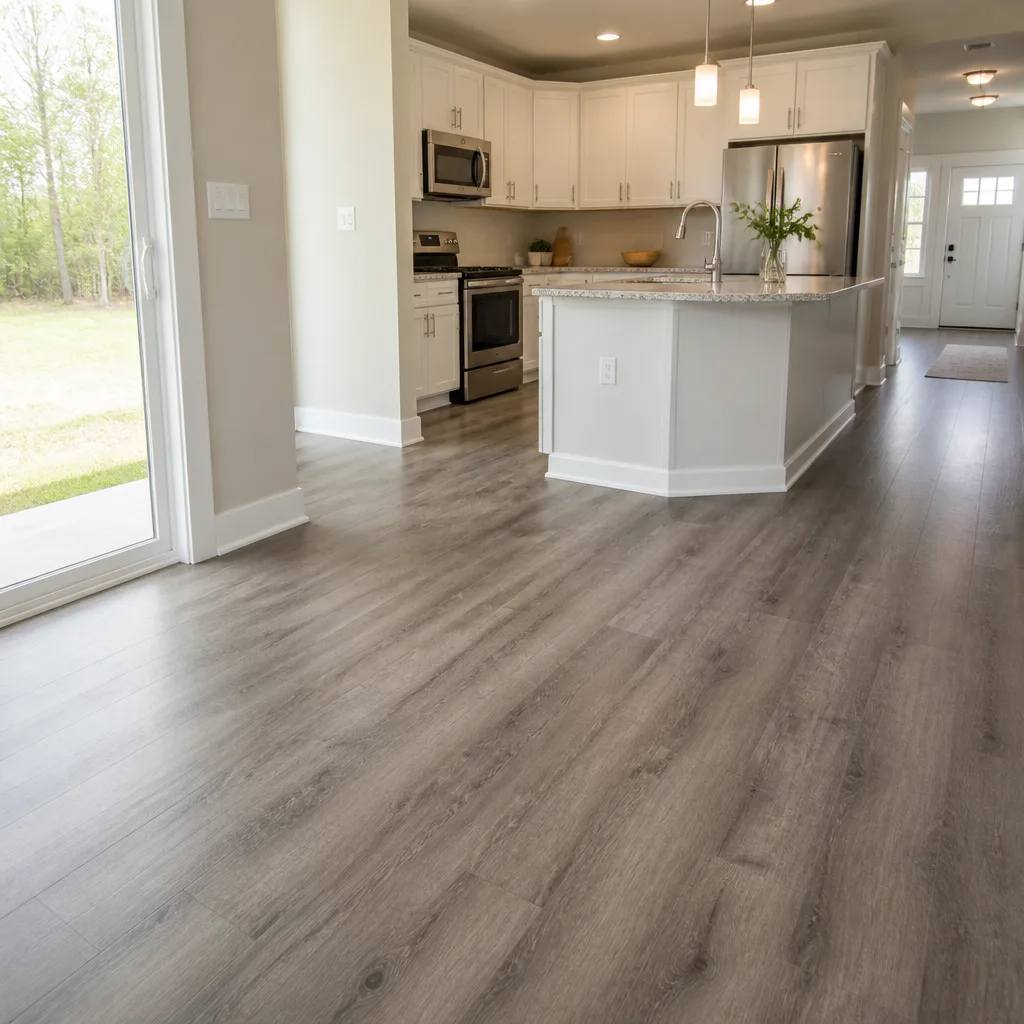 Pergo
Free in-home measure and written estimate: Shaw, Mohawk, COREtec and Pergo lines compared on your own rooms, with carpet, tile, vinyl plank, laminate and hardwood laid out side by side
Get your free estimateFix It or Start Over: Flooring Repair vs Replacement
A floor refinisher will happily sand and coat your hardwood a third time. But if the board thickness is already under 3/16 inch, you’ve paid for a service that shortened the floor’s remaining life instead of extending it. That’s the uncomfortable truth most flooring guides skip: the repair-or-replace decision is not mainly a budget question. It’s a structural and lifespan question. Patch the wrong floor and you’ll pay twice, once for the patch and again for the replacement you delayed. This guide walks through each material in a Summerlin home, material by material, so you know which damage profiles are genuinely fixable and which are just postponing the inevitable.
Quick Answer
Repair the floor when the damage is surface-level and the structure under it is sound: scratches, dull finish, a single cracked tile, a lifted seam, or a small area of worn carpet. Replace it when the damage is structural, widespread, or the material has run out of usable life: soft subfloor, widespread grout failure across a room, cupped hardwood, or a worn-through vinyl wear layer. For hardwood specifically, refinishing is the smarter middle path, but only when there’s enough board thickness left to sand. Everything else is a judgment call on lifespan, not just cost.
Styles & brands we work with
- Hardwood
- Engineered hardwood
- Luxury vinyl plank
- Laminate
- Porcelain tile
- Carpet
- Shaw
- Mohawk
- COREtec
- Pergo
Table of Contents
- The Question Underneath Your Floor
- Hardwood: Refinish, Repair, or Replace?
- Engineered Wood and Luxury Vinyl: The Wear-Layer Test
- Tile: The Three Damage Profiles
- Carpet: When Patching Stops Making Sense
- The Pattern-Match Problem Nobody Warns You About
- Why Partial-Room Replacement Backfires
- Common Mistakes to Avoid
The Question Underneath Your Floor
Before you decide anything about the surface, check what’s holding it up. A cosmetic fix on a structural problem is money thrown at a symptom. In Summerlin, the desert climate creates its own patterns: very dry air for most of the year, then the summer monsoon season, when humidity spikes fast and floors that have been stable for months start to move. That swing stresses subfloors and the materials sitting on them, which is why you sometimes see localized trouble first.
Here’s what to look for yourself before you call anyone:
- Soft spots. Walk the floor in socks and press your heel down. A floor that gives slightly in a defined spot has a subfloor or joist problem, and no surface patch will fix it.
- Bounce. A floor that flexes when you walk across a doorway or open span has a loose or undersized subfloor. Tile over a bouncy subfloor will crack again even after you replace it.
- Smell. A musty or earthy odor at the baseboard or in a closet often points to moisture trapped below. In a desert home, that’s usually a plumbing leak or a slab moisture issue, not the climate.
- Squeaks that cluster. A few scattered squeaks are normal. A whole zone that squeaks points to loose fasteners or a separated subfloor panel.
If you find any of those, get the structure assessed before you spend a dollar on the surface. It’s the single biggest fork in the repair-vs-replace decision, and it applies to every material below.
Hardwood: Refinish, Repair, or Replace?
Refinishing is the smart middle path when there’s enough board thickness left to sand. Every sanding pass removes a small amount of material from the top of the board, so a floor has a finite number of refinishes in it. If the boards are already thin, refinishing buys you a few years at the cost of the floor’s remaining life. That’s not restoration, it’s acceleration. Our technicians have up to 9 years of experience, and we treat hardwood refinishing as a core service, not an add-on, because the right call often saves the floor rather than replacing it.
A hardwood decision tree:
- Surface scratches and dull finish. Refinish. The wood is intact; only the top coat has aged.
- Deep scratches, dents, or a pet-damaged zone. Spot-sand and blend, or refinish the whole room if the wear is general.
- Cupping (edges higher than the middle of the board). Diagnose the moisture source first. Cupping that has stabilized can sometimes be sanded flat, but if the boards are bowed or the swelling is ongoing, you’re looking at a larger problem.
- Thickness near the limit. Replace. If the estimator says the boards are close to their wear limit, another sanding shortens the floor’s life.
Two things we cannot promise: that a floor can be refinished, and that a stain will match a sample. Both depend on the thickness of the wood and its condition, checked at the estimate visit. In Summerlin’s dry climate, that visit is also when we look at how the floor has behaved through a full year of seasons. If you’re weighing refinishing against a new floor, that’s the conversation to have before you decide.
Engineered Wood and Luxury Vinyl: The Wear-Layer Test
The wear layer is the clear top surface of engineered wood or luxury vinyl plank, and it determines whether a surface repair is real or cosmetic. On engineered hardwood, a thick wear layer of real wood veneer can sometimes be sanded and refinished. A thin one cannot; sanding through it exposes the backing and ruins the floor. On luxury vinyl, there’s no wood to sand at all. The wear layer is a printed-and-coated surface. Once it’s worn through, recoating and polishing don’t restore it.
How to tell what you’re dealing with:
- Engineered wood: Any damage that cuts through the veneer to the layer beneath is a structural failure of the surface, not a scratch. Refinishing is off the table.
- Luxury vinyl plank: A dull, lightly scratched floor can often be cleaned and dressed. A white or faded patch in a walkway means the wear layer is gone. That’s a replacement, not a polish.
- Water-resistant vinyl: Many luxury vinyl products are water-resistant, which is different from waterproof. Standing water and moisture from below still have to be dealt with, and a curled plank near a leak tells you there’s a source to fix before any new floor goes down.
Both COREtec and LifeProof are recognized luxury vinyl lines, and if you’re replacing a worn-out vinyl, either is a reasonable direction. Only the product instructions and the written estimate set the wear-layer specifics for a given product, so bring a piece of your old floor to the estimate if you can. In Summerlin, homes with big windows and hard sun on a vinyl floor in one room can show wear faster there. That’s a replacement, and it’s common to see the whole room go rather than one faded run.
Tile: The Three Damage Profiles
Tile damage comes in three shapes, and only one of them is usually a simple repair. Getting this wrong means redoing the work. Here’s the decision tree we walk through at an estimate.
- A single cracked tile. The most repairable case. If the tile broke from an impact (a dropped object, heavy furniture), a single tile can usually be removed and replaced, provided you have a matching tile or an acceptable close match. This is the one case a homeowner can sometimes handle. If you’re unsure how the break happened, let a pro look at it.
- Widespread grout failure. Crumbling, cracking, or missing grout across one room or more points to movement, moisture, or a bond problem under the tile. Regrouting without finding the cause just sets up the next failure. If the tile is still firmly bonded to a sound subfloor, the fix is grout plus addressing the source. If it’s lifting, you’re into a larger repair.
- Lippage. When tile edges sit at different heights, you have a subfloor, installation, or moisture issue showing up at the surface. Lippage from a settled or bouncy subfloor cannot be fixed by replacing the tiles on top; the substrate has to be corrected first. This is a repair, but rarely a small one.
If you’re installing new tile rather than repairing, professional-grade ceramic and porcelain options are the starting point, and a Daltile product is what a lot of professional setters trust. In Summerlin, where rooms can go from full sun to cool in a single day, thermal movement in tile is real, which is why the subfloor and grout choices matter so much. If you’d rather skip the repair question entirely, look at tile flooring installation as the replacement path.
Carpet: When Patching Stops Making Sense
Carpet has the shortest repair window of any flooring material. A small burn, a pet accident, or a stain in an out-of-the-way spot can often be patched from leftover material or a closet piece. But patched carpet almost always shows a seam, and a seam in the middle of a traffic path frays and grows. The other limit is running out of material. Once the leftover piece is gone or faded, a patch on a wall-to-wall carpet is a visible mismatch, and a replacement becomes the better long-term answer.
When a carpet patch is a reasonable repair:
- The damaged area is small and in a low-traffic spot.
- You have a leftover piece with a matching dye lot (see next section).
- The carpet is newer and the patch won’t contrast with a worn main area.
When it’s better to replace:
- The damage is in a main walkway or the middle of the room.
- The carpet is worn in the traffic lanes, so a patch will look like a patch even with matching material.
- There’s no leftover material, or the leftover has faded.
If you’re replacing, carpet installation is a full replacement, from the choice of product to the install day. In a Summerlin home, carpet that has seen years of dry air and sun will have faded unevenly, and that’s the single most common reason a patch feels wrong after it’s done.
The Pattern-Match Problem Nobody Warns You About
Here’s the decision almost no homeowner factors in at the start. If your floor’s product is discontinued, the “close match” a repair shop finds may devalue the room more than a full replacement would. Walk into a room with six different tile tones or a hard-to-match vinyl plank and the eye reads the mismatch immediately, even if the individual pieces look right on their own.
Why matching fails in practice:
- Dye lots change. The same product made in a different production run can be visibly different in tone. Carpets and vinyl planks are notorious for this.
- Sun and time shift old material. Your existing floor has aged. A brand-new tile or plank of the same product can look brighter or flatter after a few years of light.
- Patterns flow. A patterned tile or a grain-matched plank depends on where the pattern lands. A replacement piece from a different lot won’t line up.
When the match is poor, the honest answer is often a full-room replacement. It feels counterintuitive because it costs more upfront, but patching a floor you cannot visually match usually leads to the replacement anyway, with the patch money spent by then. An experienced estimator will tell you upfront which way the match is likely to go. That’s a conversation, not a promise, and it’s worth having before you commit.
Why Partial-Room Replacement Backfires
Half a room sounds efficient. In practice, a partial replacement creates three problems that compound.
Transition strips become trip hazards and eyesores. Where a new section meets an old one, you need a strip covering the seam. Done well, it’s fine. Done badly, it’s the first thing every guest sees, and it collects dirt along the edge. On a floor you intend to sell, that’s a resale value hit.
Height mismatches. A new floor may not be the same thickness as the old one. Where a hallway meets a bedroom, or a kitchen meets a carpeted room, a height difference of a fraction of an inch creates a step. Door swings can catch. Rugs catch an edge. The changeover becomes a maintenance problem rather than a floor.
Dye-lot and wear variation. The new half looks new and the old half looks old, and the line between them is permanent. That’s fine in a closet. It’s hard to live with in a living room.
The exception is a partial replacement that follows a sensible architectural line, like a room boundary or a doorway, where the new floor stops cleanly. If the room is big and the damage is on one side, a partial replace can work. If the damage spans the room, or the product can’t be matched, a full replacement is the cleaner answer. In Summerlin homes where open plans merge the kitchen and living area, that dividing line is often hard to find, which tips the choice toward full replacement.
Common Mistakes to Avoid
- Refinishing hardwood without checking the thickness first. A sanding pass on a nearly worn-out board shortens the floor’s life. Insist on a thickness check at the estimate.
- Patting down a bouncy vinyl floor with subfloor issues. New planks will lift or crack again. Fix the subfloor first.
- Repairing a single tile without finding why it broke. If the subfloor is moving, the next tile will crack too, and you’ll pay twice.
- Patching carpet with material from a different dye lot. Even a matching piece from a different batch can look wrong in the room. Check the lot before committing.
- Choosing a “close match” for a discontinued product. A visible mismatch can devalue the room more than a full-floor replacement would.
- Rewiring the problem as “it’s just cosmetic” in a Summerlin home that already shows moisture signs. If you smell moisture or feel soft spots, the surface is the symptom, not the issue.
- Running a partial replacement across an open-plan boundary. In an open plan there’s usually no clean line to stop at, so a partial replace ends up looking like two jobs.
See the difference
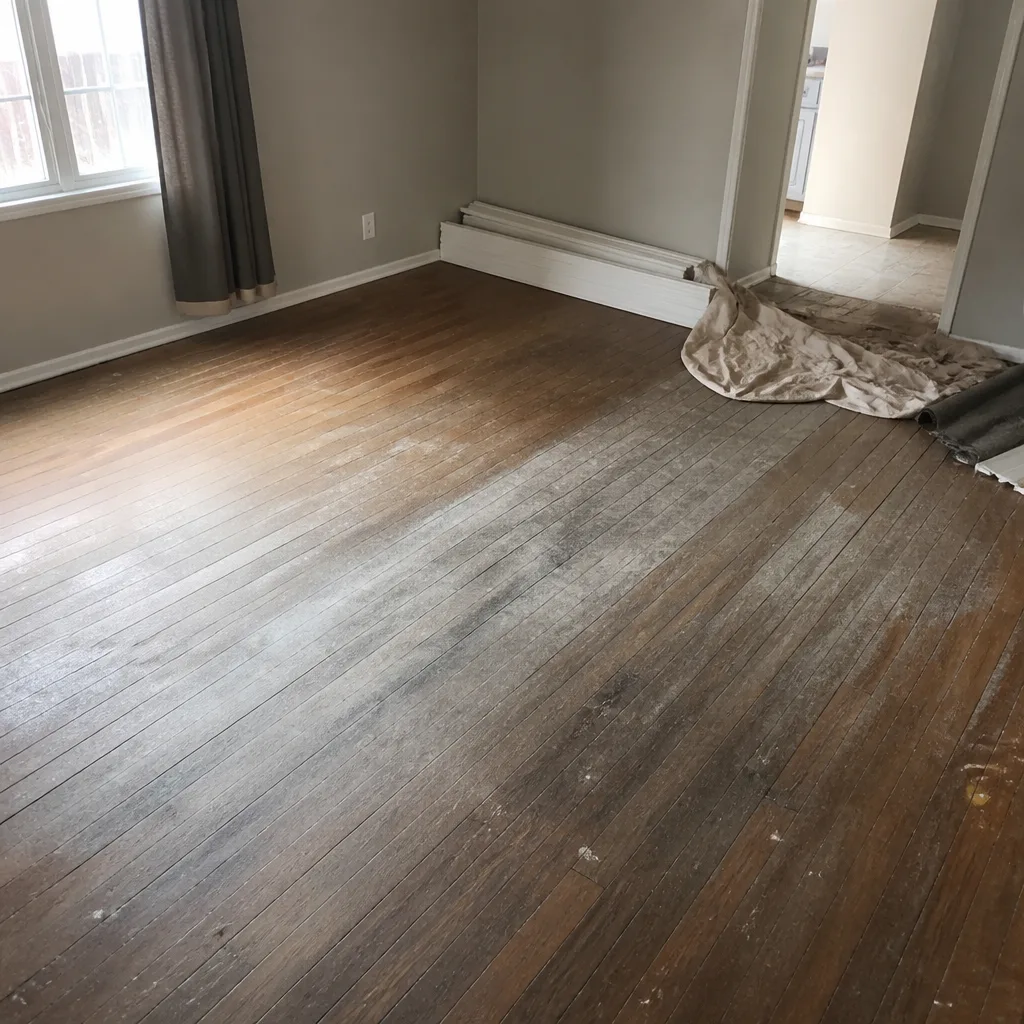 Before
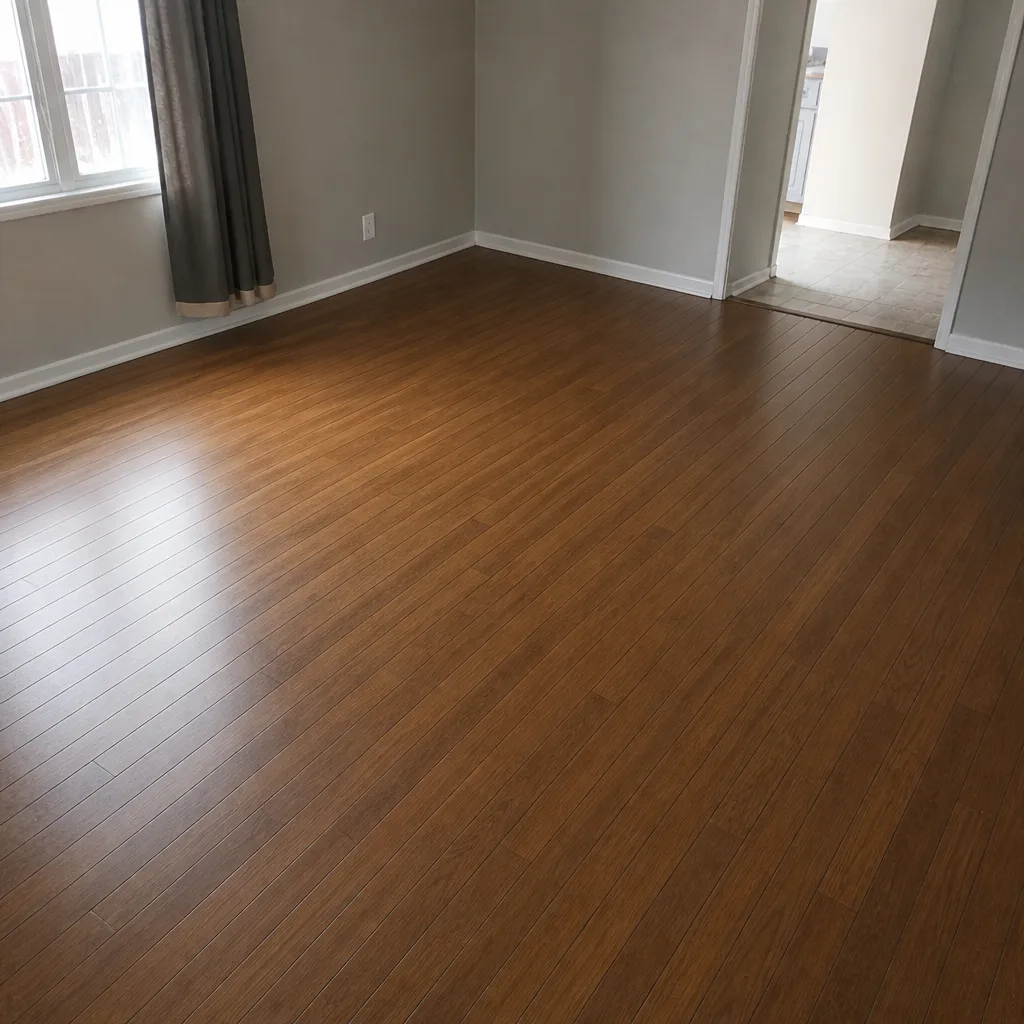 After
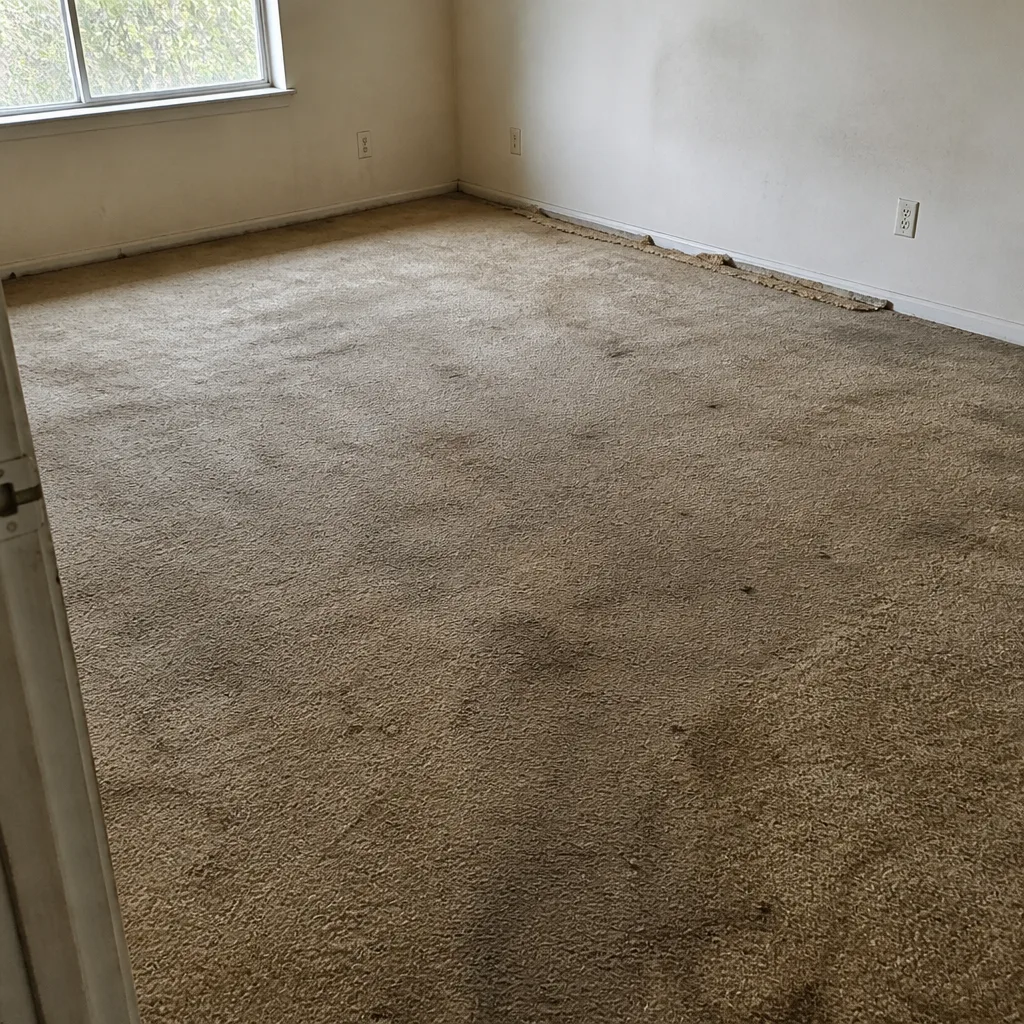 Before
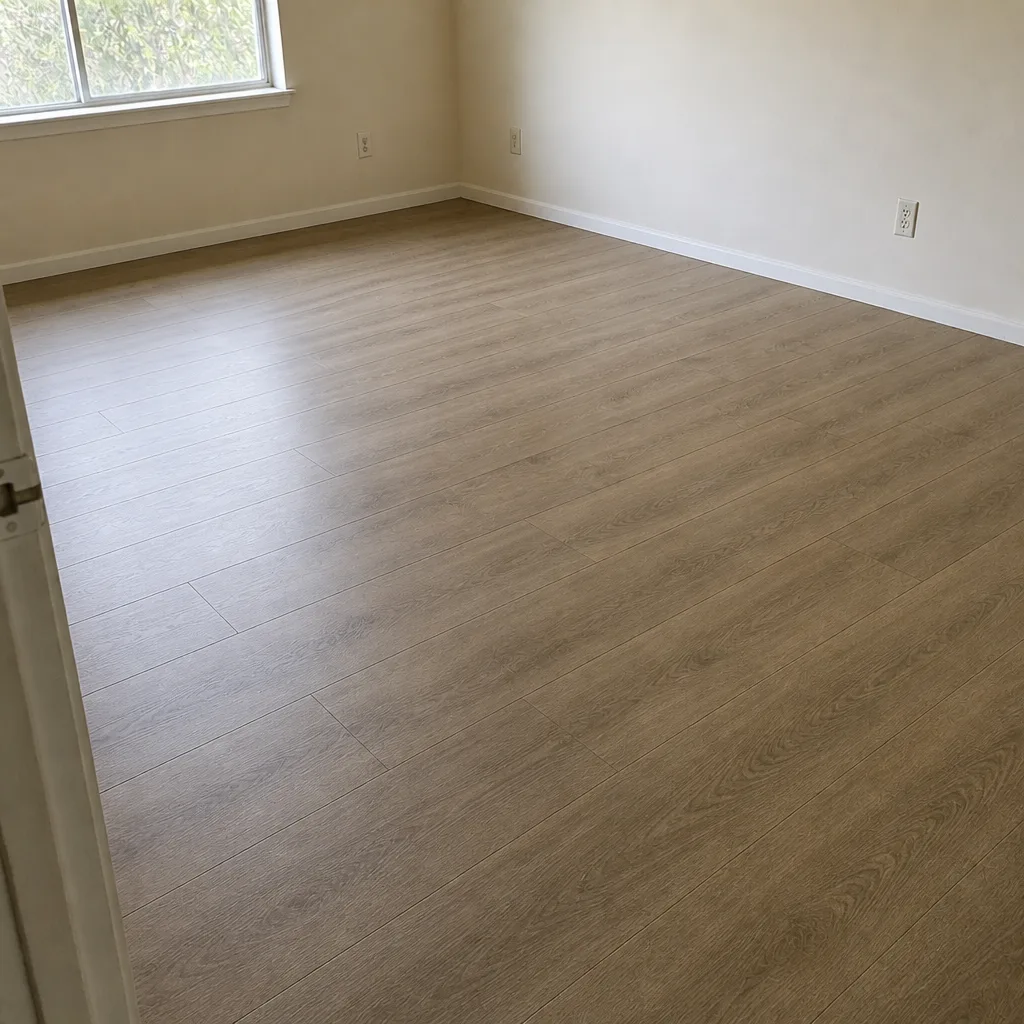 After
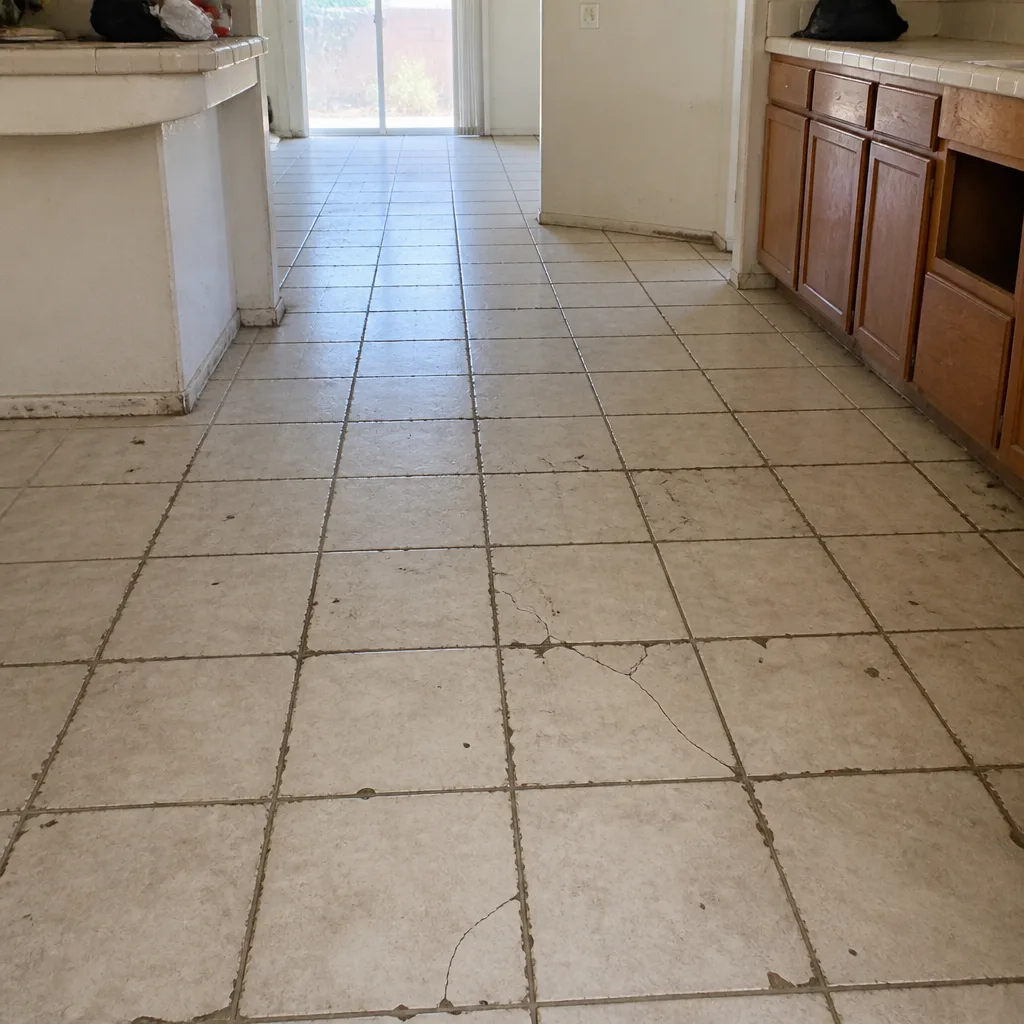 Before
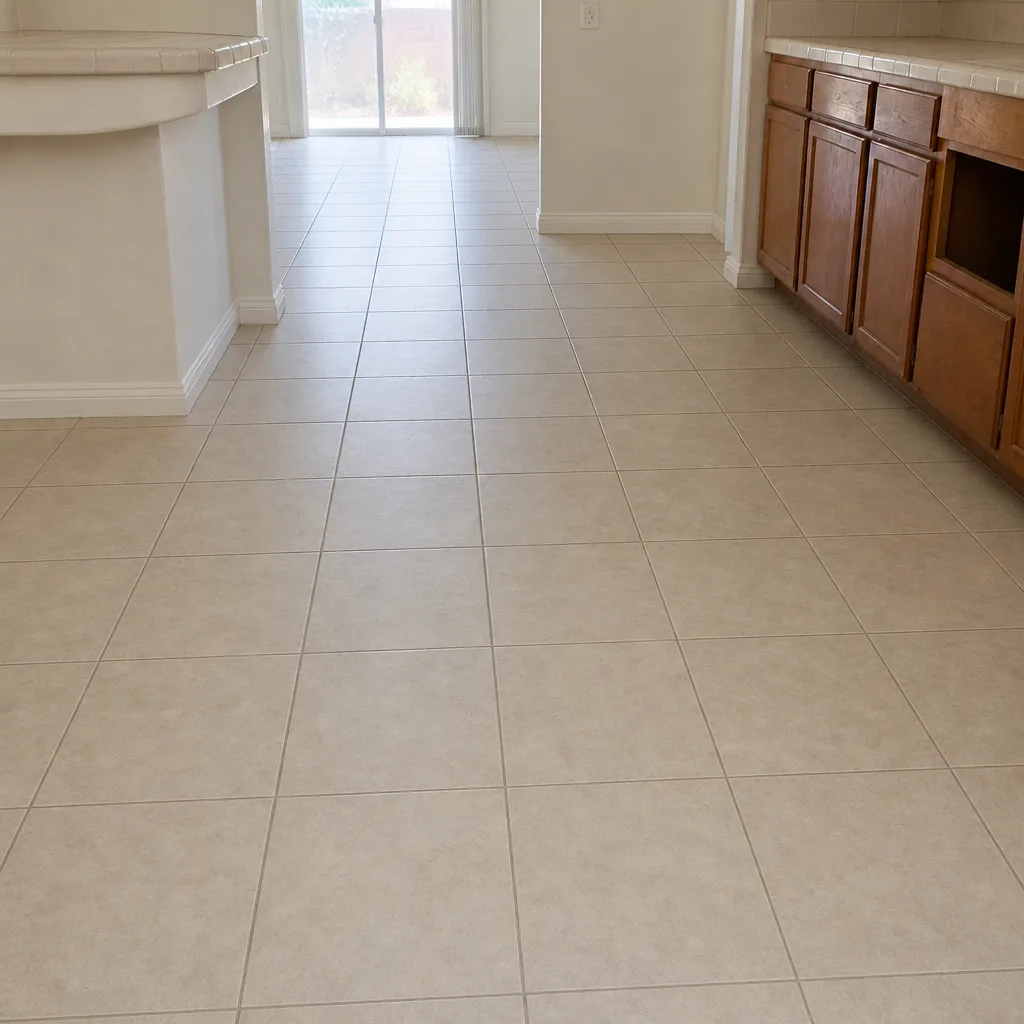 After
When to Call a Professional
Call us when the decision isn’t obvious. That means soft spots or bounce underfoot, a floor that has already been refinished and might be at its limit, a tile problem beyond one cracked piece, a vinyl floor worn through a traffic path, or a room where the pattern-match question is uncertain. Our free estimate is where we check thickness, structure, and the match options, then give you an honest recommendation in Summerlin. The written estimate is what sets the final price per job, and there’s no surprise fee at the visit. We’d rather tell you to refinish and save the floor than sell you a replacement you didn’t need. Flooring Summerlin offers free estimates in Summerlin; call (844) 320-6715 to schedule yours.
Frequently Asked Questions
It depends on what’s damaged. A single tile, a small carpet patch, or a hardwood refinish usually costs less than a full replacement. But if the damage is structural or the material has run out of usable life, a patch is money spent on a floor you’ll replace soon anyway, so the repair becomes the expensive choice. The written estimate sets the final price, and it’s the only number that matters.
Sometimes, but not always. It depends on the thickness of the top veneer. A thick veneer can often be sanded and refinished; a thin one can’t, and sanding through it ruins the floor. The estimate visit is where we check. We won’t promise refinishing before we’ve looked at the board.
Not if the cracks are widespread. One cracked tile from an impact is usually a straightforward repair. Several cracked tiles usually point to a subfloor, movement, or moisture problem, and replacing the tiles without fixing the cause means the next ones crack too. In Summerlin, the seasonal humidity swing is one reason this shows up.
Often not perfectly, and sometimes not close enough. Dye lots change between production runs, and your existing floor has aged and faded. A close match can look wrong in a room and hurt its visual value. If matching is uncertain, a full-room replacement is often the better long-term call. We’ll flag the risk at the estimate.
Check for soft spots, bounce, a musty smell, or a cluster of squeaks. Any of those points to the subfloor or the structure, which means a surface repair is only cosmetic. In a Summerlin home, smell and soft spots near an exterior wall are worth a careful look, since desert moisture problems hide below the surface.
Usually one visit. At the free estimate we check thickness, subfloor condition, and matching options, then give you a written recommendation and price. There’s no same-day install promise, and the schedule is set at the estimate. Call (844) 320-6715. We answer 24/7. Fast dispatch from 7am to 7pm, Sunday through Friday.
The Bottom Line
Repair when the damage is surface-level and the structure beneath is sound. Replace when the damage is structural, widespread, or the material has run out of usable life. For hardwood, refinish when there’s enough board thickness left, and don’t sand a floor that’s near its limit. For vinyl and engineered wood, the wear layer decides. For tile, three damage profiles mean three different answers. For carpet, the dye lot and traffic path decide. And when you’re unsure, one free estimate gives you the answer with the floor in front of you. That’s where the smart call starts. If you’re in Summerlin, we can take a look and tell you what we’d do if it were our floor. Call (844) 320-6715 for a free estimate. We answer 24/7. Fast dispatch from 7am to 7pm, Sunday through Friday. Learn more about Flooring Summerlin.
Written by the team at Flooring Summerlin.