
Last updated November 18, 2026
 Hardwood
 Engineered hardwood
 Luxury vinyl plank
 Laminate
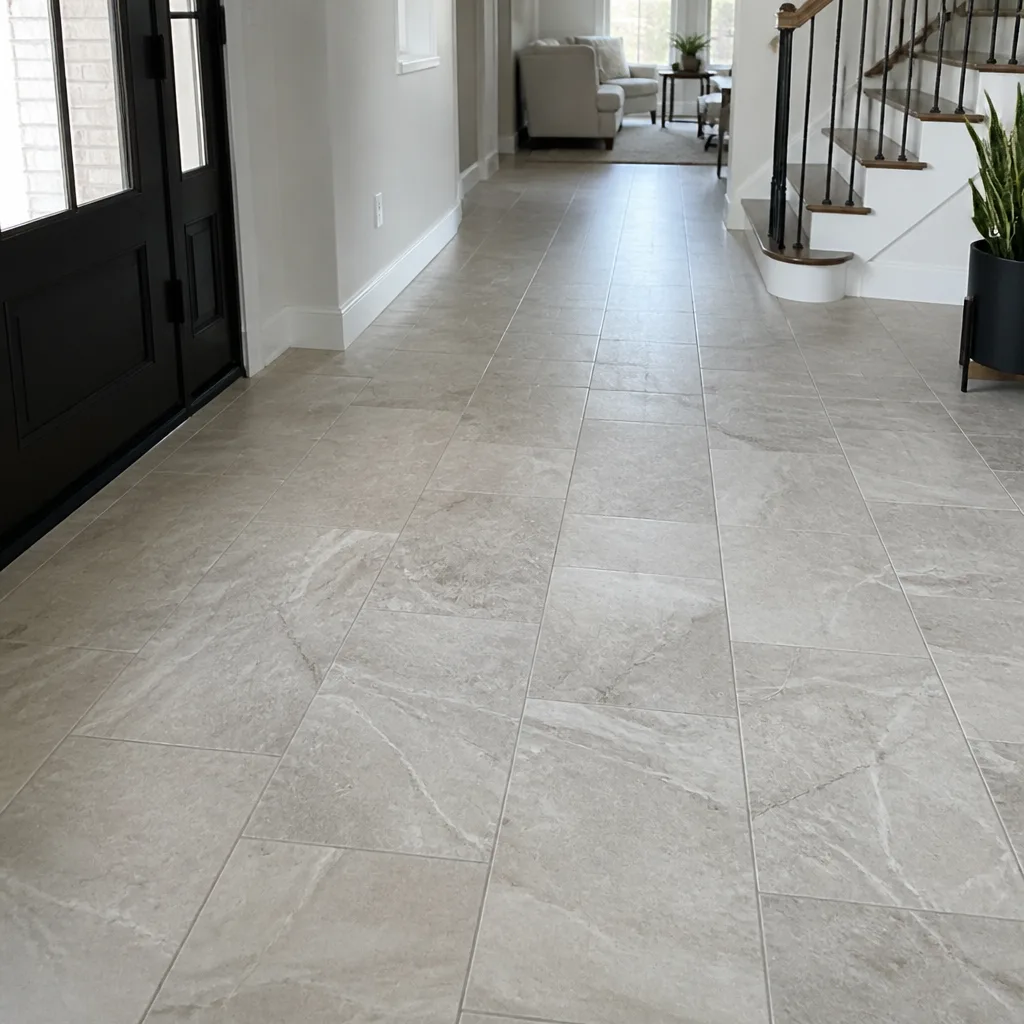 Porcelain tile
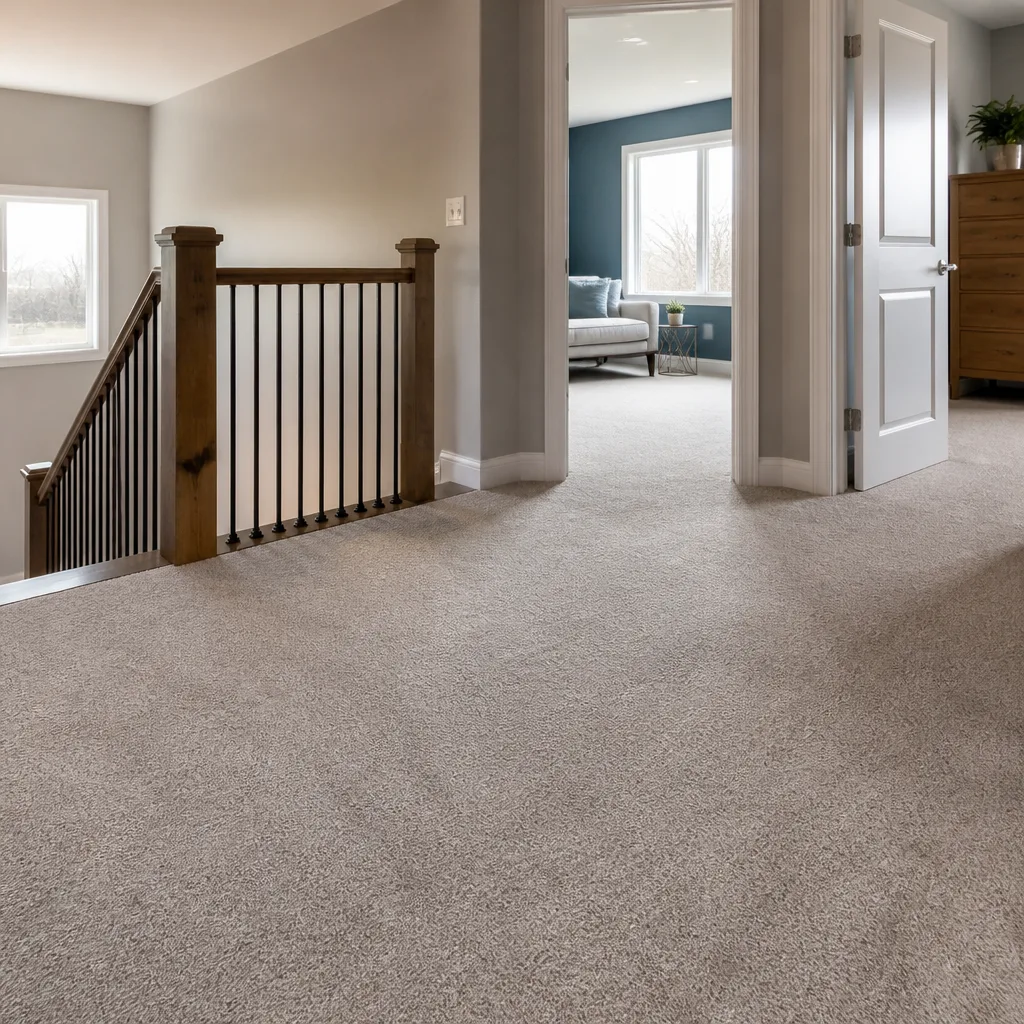 Carpet
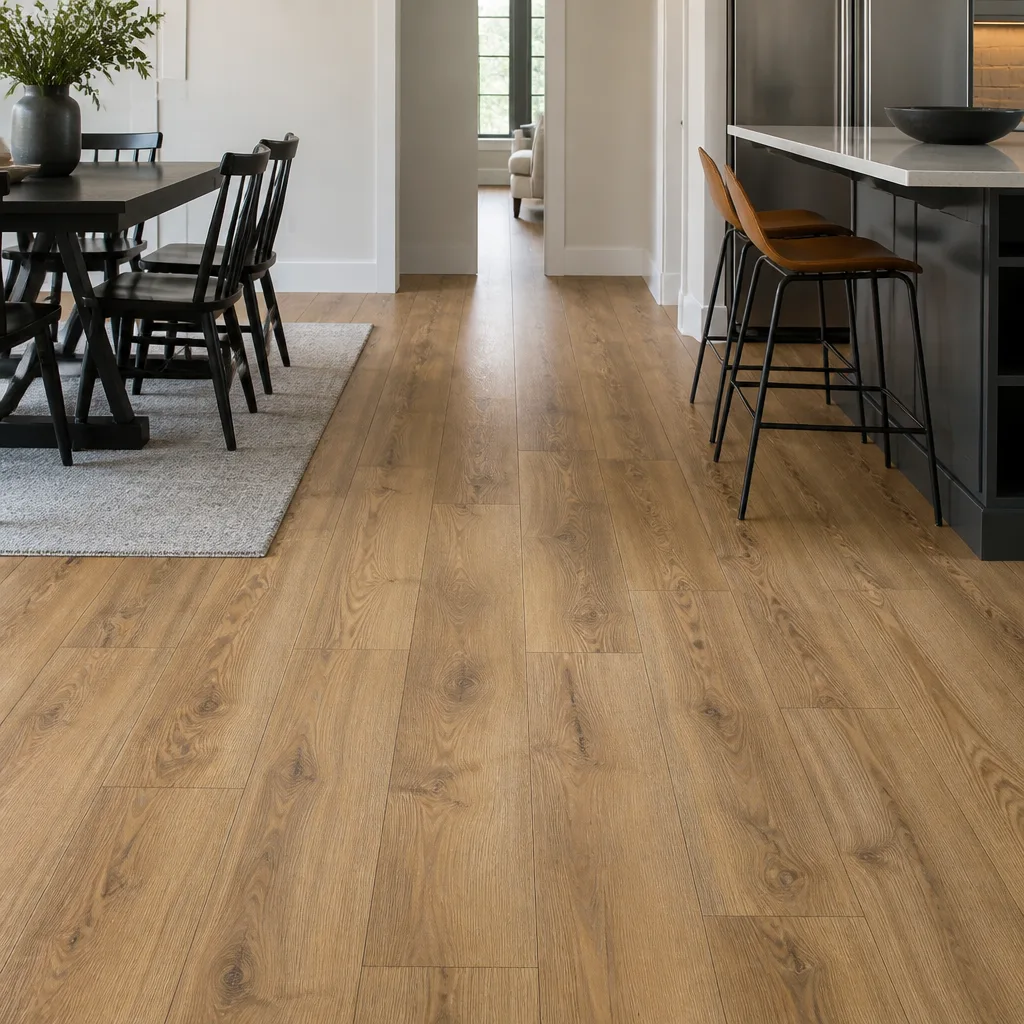 Shaw
 Mohawk
 COREtec
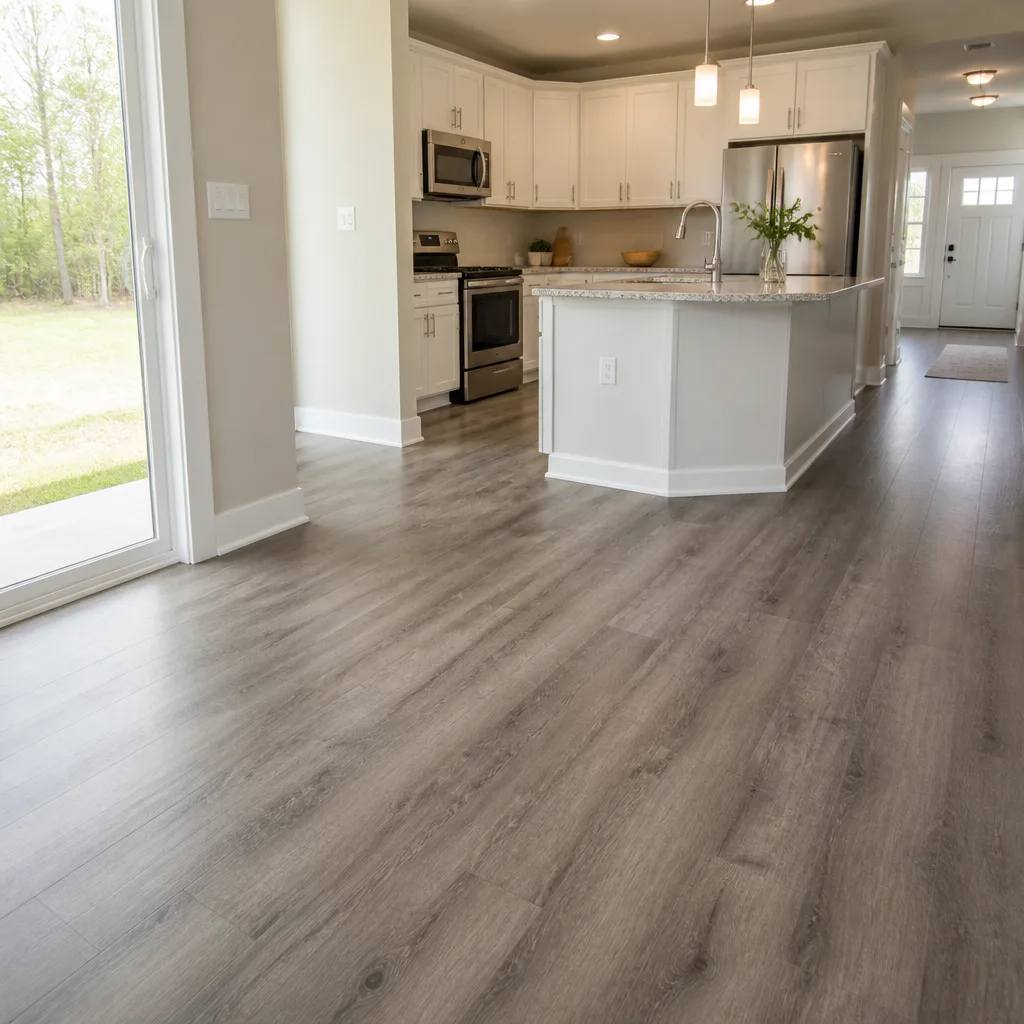 Pergo
Free in-home measure and written estimate: Shaw, Mohawk, COREtec and Pergo lines compared on your own rooms, with carpet, tile, vinyl plank, laminate and hardwood laid out side by side
Get your free estimateHow to Hire a Flooring Contractor in Summerlin: A Step-by-Step Guide
Most people hire a flooring contractor the way they hire a painter: they get a number, compare it to another number, and pick the lower one. That approach works fine for repainting a bedroom. It falls apart with floors, because the people quoting you may not be qualified for the material you’ve chosen. A crew that lays tile every day is not automatically the crew you want speccing hardwood in a desert climate, and a handyman who says “yeah, I can do floors” may be doing the work without the license Nevada requires for it. This guide walks you through how to hire a flooring contractor in Summerlin the way you’d vet any specialist: credentials first, material expertise second, then the bid itself. By the end you’ll know what to ask, what to verify, and what a normal install should look like from measurement to punch-list.
Quick Answer
To hire a flooring contractor in Summerlin, verify their Nevada C-16 flooring contractor license through the state licensing board, confirm they’ve installed your specific material in homes like yours, and insist on a written, itemized bid with a defined scope and a written labor warranty. Compare bids only after normalizing the units, materials, and scope, because quotes that look alike often cover very different work. A contractor who won’t itemize, won’t put the scope in writing, or won’t discuss what happens after installation is telling you something.
Styles & brands we work with
- Hardwood
- Engineered hardwood
- Luxury vinyl plank
- Laminate
- Porcelain tile
- Carpet
- Shaw
- Mohawk
- COREtec
- Pergo
Table of Contents
- Step 1: Verify the Nevada C-16 License
- Step 2: Match the Contractor to the Material
- Step 3: Ask How They Handle Desert Conditions
- Step 4: Ask the Questions That Separate Specialists
- Step 5: Read the Communication for Red Flags
- Step 6: Structure an Apples-to-Apples Bid Comparison
- Step 7: Know What a Normal Install Process Looks Like
- Step 8: Plan the Punch-List Before You Pay
Step 1: Verify the Nevada C-16 License
Nevada requires a C-16 flooring contractor license to perform flooring work for pay, and that license is issued by the Nevada State Contractors Board. It is a specialty classification, not a general building license. That distinction matters, because a licensed general contractor is not automatically licensed to install floors, and a handyman who offers to “save you money” on the side is not licensed at all. In our experience across the Las Vegas Valley, a meaningful share of flooring work gets done by people who hold neither credential.
Here is how to check, in order:
- Ask the contractor for their Nevada contractor license number before the estimate visit, not after.
- Look the number up on the Nevada State Contractors Board website. Confirm the license is active and the classification reads C-16.
- Check that the name on the license matches the company quoting you, not a related entity you’ve never heard of.
- Ask for a certificate of insurance showing both general liability and workers’ compensation coverage.
- Confirm the coverage is current by calling the insurer listed on the certificate, not just reading the date.
Why does the license check matter more for floors than for other trades? Because flooring failures tend to show up months later, not the day of install. A tile that debonds, a hardwood floor that cups, a carpet that ripples at a seam: those problems surface after the final payment clears. When they do, the license and the insurance are the two things that determine whether you have recourse. A contractor who carries neither has nothing to lose by walking away from a bad job.
Summerlin homes sit inside Clark County, and flooring work here is subject to the same state licensing rules as the rest of the valley. The board’s lookup is public and takes a few minutes. Treat it as the first filter, not the last.
Step 2: Match the Contractor to the Material
The single most useful question in the hiring process is this: which of the three flooring materials does this contractor install most often? Carpet, tile, and hardwood are different trades in practice, even when one license covers them all. A tile setter thinks in thinset, substrate flatness, and grout joints. A hardwood installer thinks in moisture content, expansion gaps, and acclimation. A carpet installer thinks in stretch tension, seaming, and tack strip. The tools barely overlap.
When you interview a contractor, ask them to walk you through their process for the specific material you’re considering. Listen for whether the answer is specific to that material or generic to all floors.
- For carpet: ask how they handle stretch tension and where seams will land in your rooms. A contractor who installs carpet regularly will talk about power stretching and seam placement without prompting. You can read more about what that process involves on our carpet installation page.
- For tile: ask about substrate prep and how they plan tile layout around doorways and focal walls. Layout decisions often separate a professional tile job from an amateur one.
- For hardwood: ask whether they’ve installed the specific species and finish you’re considering in the Las Vegas Valley, and how they handle expansion in low-humidity conditions.
We specialize in all three, which is unusual. Most flooring companies lean toward one material and sub out the others. When you’re weighing a whole-house renovation that includes carpet in the bedrooms, tile in the bathrooms, and hardwood in the main living areas, having one contractor who genuinely handles all three materials is easier logistically and gives you a single point of accountability. If you’re comparing multiple contractors, ask each one which of the three they’d call their specialty. Their answer tells you where to focus your vetting.
Step 3: Ask How They Handle Desert Conditions
Summerlin sits in the Mojave Desert, and desert conditions affect how flooring materials behave over time. This is the single most overlooked hiring topic. A contractor who has only installed floors in humid climates may not fully appreciate how indoor humidity swings here affect wood, and a contractor who has only installed here may not have a plan for it. You want someone who can talk about both.
Here’s what the climate actually does:
- Hardwood expands and contracts with indoor humidity. In the Las Vegas Valley, indoor air can get very dry, especially in summer when air conditioning runs constantly. Wood that was milled wet or installed without room to move can develop gaps or cupping.
- Tile is largely unaffected by humidity, but the substrate underneath is affected by temperature swings and slab movement. Proper substrate prep matters even more here than in stable climates.
- Carpet is relatively stable, but high indoor heat can stress adhesives and underlayment over long periods.
Ask every contractor the same question: “How do you account for the dry Las Vegas Valley air in the installation process?” The answer should reference the specific material and mention what the product manufacturer’s instructions call for. It should not be a generic “we use the best materials” answer. If a contractor shrugs off the climate question or says it doesn’t matter, that’s a meaningful signal about how carefully they read the product documentation.
For homeowners in Summerlin neighborhoods like The Ridges, Red Rock, and Summerlin West, the outdoor conditions are similar to the rest of the valley, but the home sizes and room layouts often mean more square footage under one roof and larger rooms with bigger climate swings. Bigger rooms mean bigger expansion calculations, which makes the climate conversation more important, not less.
Step 4: Ask the Questions That Separate Specialists
The questions you ask during the estimate visit reveal more than the answers you get from a brochure. Here are the ones worth asking every contractor, in order. Write them down and take them to every visit. Compare the answers side by side, because the differences will be obvious.
- Which specific product lines do you supply and install? A specialist can name brands without consulting a catalog. A generalist will hedge.
- Can you show me a recent install of this exact material? Photos or references from a similar job, not a showroom display.
- Who actually installs the floor? The person quoting you, a crew you’ll never meet, or a subcontractor? If it’s a subcontractor, ask who’s accountable if something goes wrong.
- What’s included in the bid and what isn’t? Furniture moving, old floor removal, subfloor prep, trim, disposal. Get every excluded item in writing.
- How long does acclimation take for this material in my home? Wait for a specific answer tied to the product, not a generic “a few days.”
- What’s the labor warranty and what does it cover? Manufacturer warranties cover product defects. Labor warranties cover installation problems. You want both in writing, and you want to know what’s excluded from each.
- What’s the schedule, and what could delay it? Honest contractors will name delays that could happen (delivery, subfloor surprises, weather if materials need to sit outside). Vague optimism is a red flag.
- How do you handle a punch-list? Every job has one. Ask how it’s scheduled and who signs off on completion.
The right contractor will answer all eight without getting defensive. The wrong one will start to look uncomfortable around question six. That’s useful information, so don’t skip it.
Step 5: Read the Communication for Red Flags
You can learn as much from how a contractor communicates as from what they say. Most flooring problems in Summerlin and the surrounding valley start with communication breakdowns long before they become installation problems. Watch for these:
- Vague scope. “We’ll handle the floors” is not a scope. A real bid lists rooms, square footage, specific materials, prep steps, and disposal.
- Refusal to itemize. If a contractor won’t break down materials and labor separately, you can’t compare their bid to anyone else’s, and you can’t see where the money is going. This is often deliberate.
- No written labor warranty. Manufacturer warranties protect against product defects. Labor warranties protect against installation failures. If a contractor only offers the manufacturer warranty and nothing on their own labor, you have no recourse if the install itself is the problem.
- Pressure to decide on the spot. “This price is only good today” is a sales tactic, not an estimate. A real contractor will give you a written quote to review.
- Cash-only or no written contract. Both remove your ability to enforce anything. A legitimate flooring contractor deals in written contracts and traceable payments, period.
- Reluctance to put the schedule in writing. If they can’t commit to a rough timeline, they likely can’t manage one.
- No mention of the old floor. Removing and disposing of the existing floor is a real cost and a real scope item. A contractor who doesn’t bring it up either forgot or plans to surprise you with it later.
None of these are subtle. The trick is to write them down ahead of time and score each contractor against them, because in the moment, a confident sales pitch can distract you from what’s missing.
Step 6: Structure an Apples-to-Apples Bid Comparison
Comparing flooring bids is harder than it looks, because contractors often quote in different units, include different materials, and scope different work. One bid might quote a flat number for “living room floor,” another quotes per square foot with materials separate, and a third quotes materials only. These are not comparable. Before you compare prices, normalize the bids using the same framework for all of them.
Create a spreadsheet with these rows and fill it in for every contractor:
- Square footage per room, measured. Not estimated. Ask each contractor for their measurements, or get your own with a tape measure. Differences in measurement are one of the biggest sources of quote variance.
- Material brand and product line. Compare like to like. A quote for Karndean versus a quote for a generic luxury vinyl is not the same bid.
- Material cost and labor cost, itemized. If a bid won’t separate these, ask for it in writing.
- Subfloor prep. Is it included? Is it an allowance? How much? Subfloor prep is where bids often hide.
- Old floor removal and disposal. Included or not? If included, how?
- Furniture moving and trim work. Included or additional?
- Acclimation and staging. Who stores the material, and for how long?
- Labor warranty. Duration, coverage, exclusions.
- Payment schedule. How much upfront, how much at what milestones?
Once every bid is in the same framework, you can see clearly where the prices actually differ. Sometimes the highest bid is the one that actually includes everything, and the lowest bid is the one that’s missing the most. Sometimes it’s the opposite. Either way, you can only know once you’ve normalized the data.
If you’re planning a multi-room renovation, ask each contractor for a single bid covering all rooms with line items per room. Bundling helps with scheduling and materials, and it makes the comparison cleaner.
Step 7: Know What a Normal Install Process Looks Like
Part of hiring well is knowing what “normal” looks like, so you can spot when a contractor is skipping steps. Here’s the process a flooring specialist should walk you through from start to finish, and the questions to ask at each stage.
- In-home estimate and measurement. A trained estimator measures every room, checks the subfloor, notes any issues, and discusses material options. This visit usually takes an hour or more, not fifteen minutes.
- Written estimate and scope. A detailed written bid covering materials, labor, prep, removal, and terms. Not a verbal number.
- Material selection and ordering. Product chosen, ordered, and confirmed for delivery. This is where brand and product line matter, because a quote for Shaw or Mohawk is a different product than a store-brand equivalent.
- Acclimation and staging. Materials arrive and sit in your home for the time the manufacturer’s instructions specify before installation. Ask specifically how long and where they’ll be staged.
- Install day prep. Furniture moved, old flooring removed, subfloor checked and prepped. Depending on material, this might be one day or several.
- Installation. The actual material install. Carpet stretched, tile set and grouted, hardwood nailed or floated with expansion gaps.
- Trim, transitions, and cleanup. Baseboards, thresholds, and a full site cleanup. If trim work isn’t in the scope, ask who does it.
- Walkthrough and punch-list. Contractor and homeowner walk the job together, note any issues, and agree on a punch-list and the timeline to complete it.
- Final payment after punch-list completion. Not before. Structure your payment schedule so the final payment is held until the punch-list is closed.
What should you expect if something goes wrong during the install? A good contractor tells you. Look for a crew that communicates proactively about delays, changes, or issues with the subfloor, rather than one you have to chase for updates. And if you’re in Summerlin, ask whether their crew is familiar with the specific construction styles common here, because some neighborhoods have different subfloor assemblies than others.
Step 8: Plan the Punch-List Before You Pay
The punch-list is where a lot of homeowners get burned, because they pay in full before the last ten percent is done. Build the punch-list into your contract from the start. Here’s how.
Before the final payment, walk the job yourself, room by room, with a checklist. For each room, check:
- Sight lines along walls and doorways: are grout lines, seams, or plank edges straight?
- Transitions at doorways: flush, secure, no gapping?
- Baseboards and trim: reinstalled, painted, no visible gaps?
- Floor underfoot: any hollow spots, rocking planks, or soft spots?
- Cleanliness: any adhesive, grout haze, or construction debris left behind?
- Any specific concerns you raised during the estimate visit are addressed.
If there are items on the punch-list, get them in writing with a completion timeline before you release the final payment. In our experience, this is where the difference between a professional and a generalist really shows: the professional plans for the punch-list and expects to complete it, while the generalist tries to collect the final payment and disappear.
Common Mistakes to Avoid
- Hiring on price alone. The lowest bid is often the lowest because it excludes scope items you’ll pay for later, or because it’s from an unlicensed handyman. Price is the last filter, not the first.
- Skipping the license check. Nevada requires a C-16 flooring contractor license, and a general contractor license does not automatically cover flooring. Verify the classification and expiration date before you book an estimate.
- Comparing bids in different units. A per-square-foot quote, a flat-fee quote, and a materials-only quote cannot be compared without normalization. Build the comparison framework before you collect any bids.
- Ignoring the climate question. In Summerlin, dry indoor air and slab movement affect hardwood and tile. A contractor who doesn’t have a plan for local conditions may install a floor that fails in a year.
- Accepting a verbal scope. “We’ll take care of it” is not a scope. Get every item, material, and exclusion in writing, including what’s not covered.
- Paying in full before the punch-list is closed. Hold the final payment until the punch-list is complete and you’ve walked the job. Once the contractor has all the money, you have very little leverage.
- Assuming a big-box installer is the same as a specialist. Big-box installers typically subcontract, and the crew you meet may not be the crew the store describes. A flooring-only contractor is accountable for the full job.
See the difference
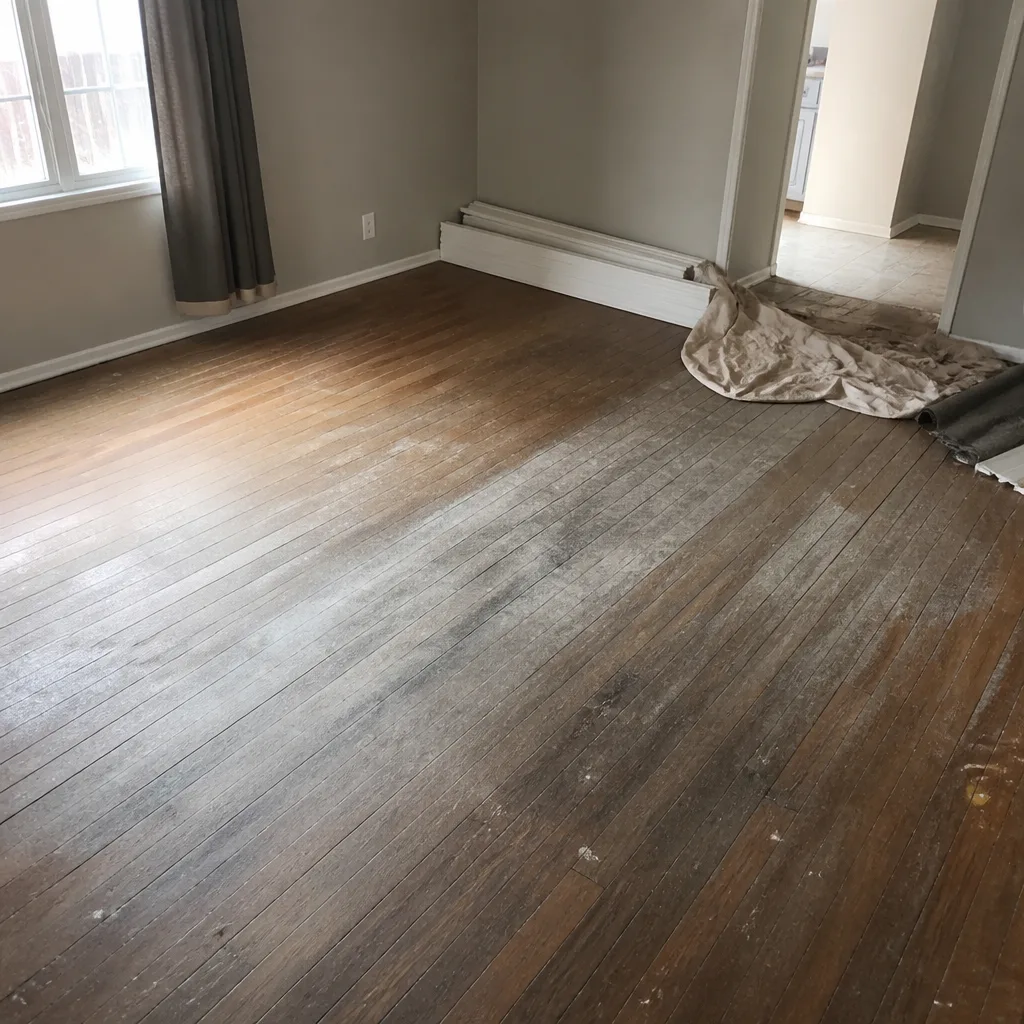 Before
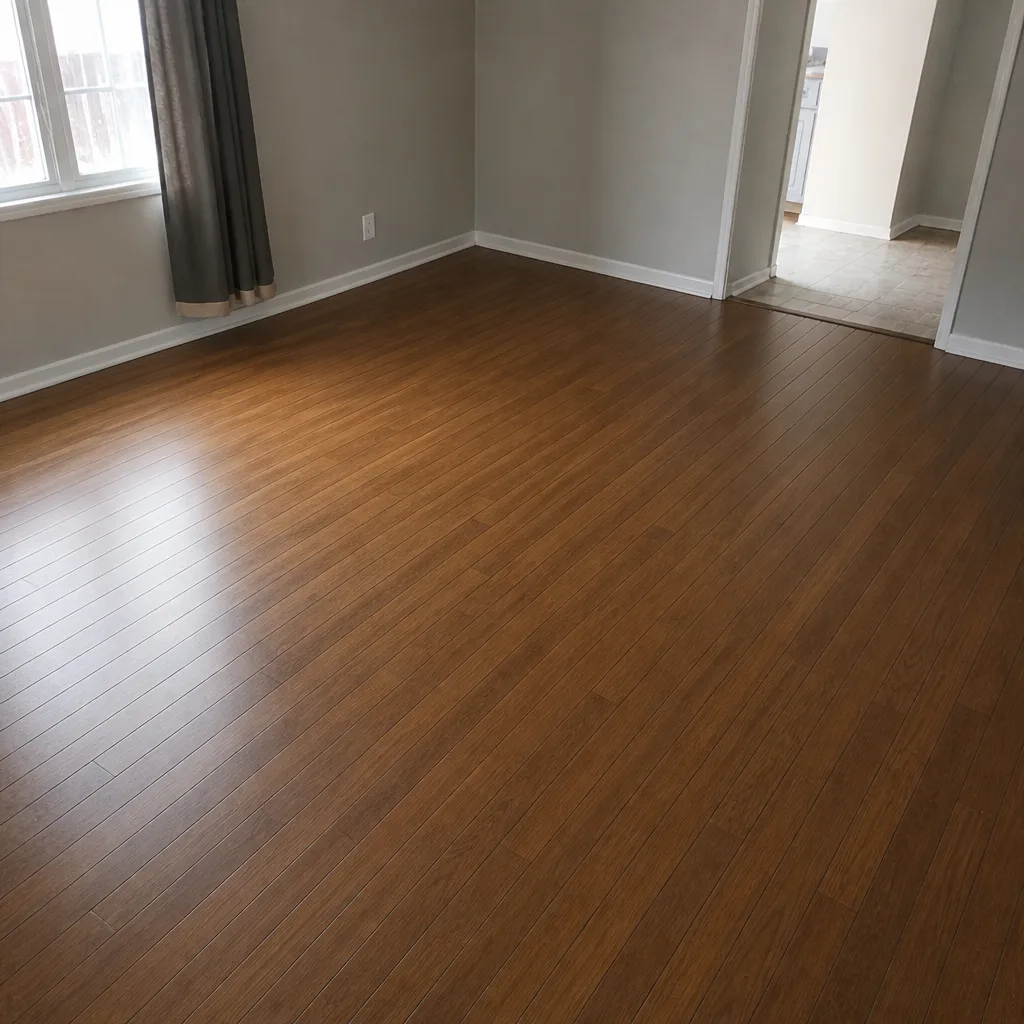 After
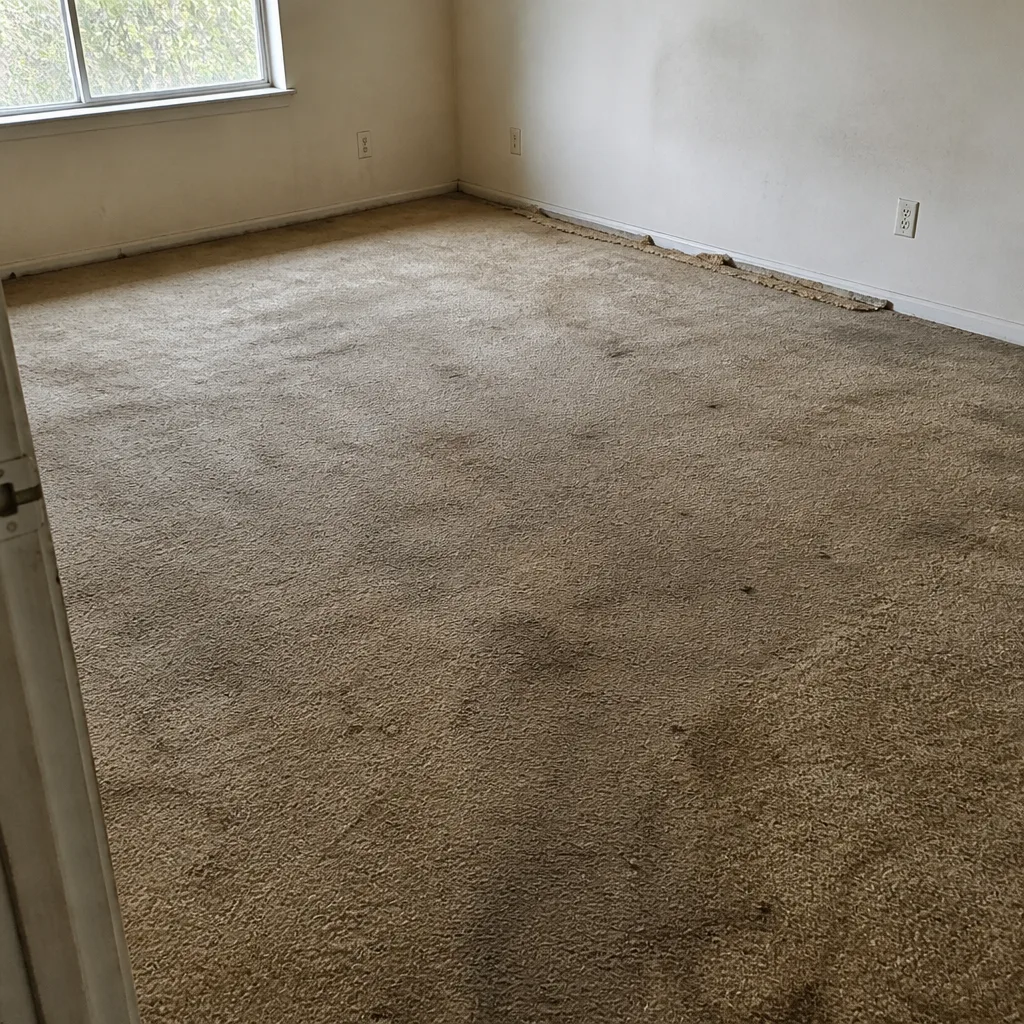 Before
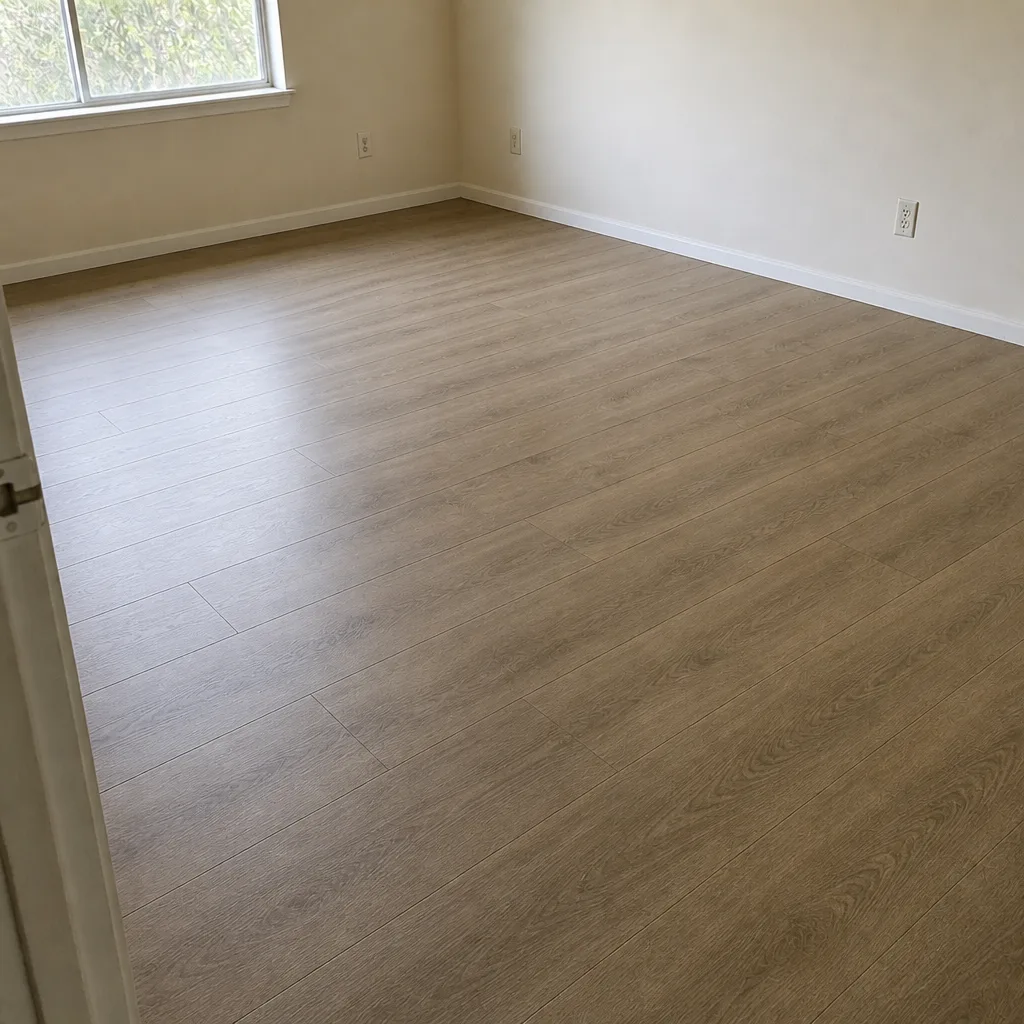 After
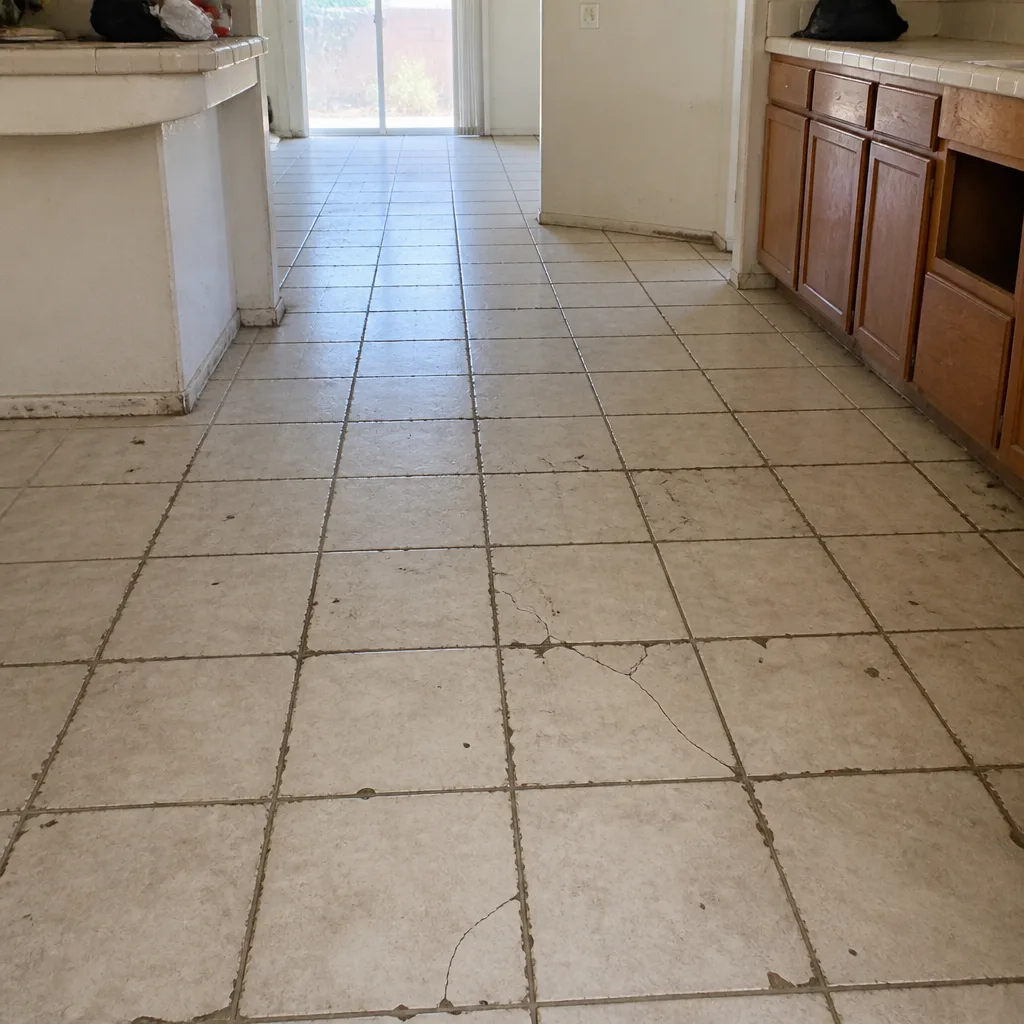 Before
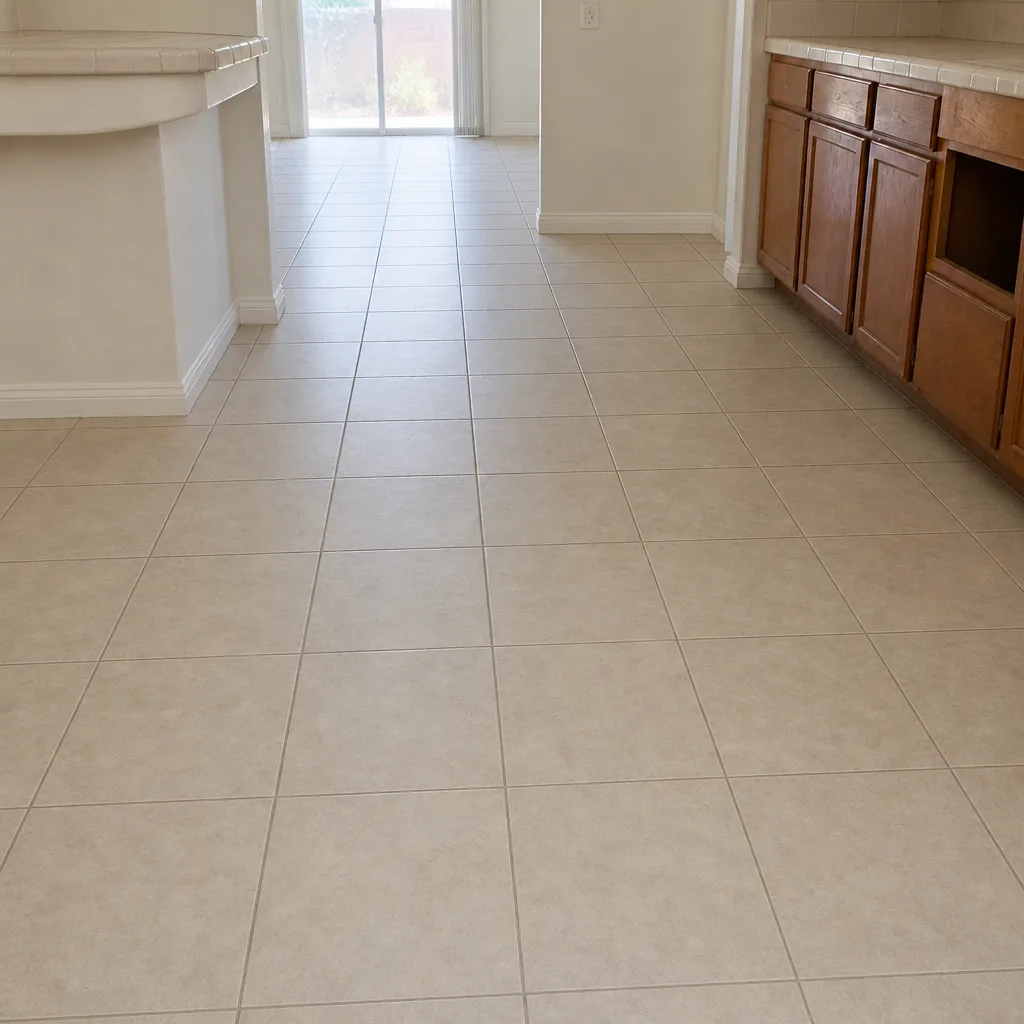 After
When to Call a Professional
Some flooring situations call for a professional more clearly than others. If you’re considering full replacement in a home with existing hardwood that’s still structurally solid, a contractor who offers refinishing can save you the cost of a full replacement. If you’re renovating multiple rooms across different materials, coordinating a carpet installer, a tile setter, and a hardwood specialist on your own is a scheduling headache. If you’ve had a floor fail due to moisture or installation error and need to know why before you replace it, an honest contractor will tell you what they see rather than sell you a new floor. If you’re in a Summerlin home with an unusual subfloor or a tricky layout, getting a specialist to look at it before you buy materials will save you from expensive mistakes.
Flooring Summerlin offers free estimates in Summerlin, with written quotes and upfront pricing. Our technicians have up to 9 years of experience, and we’re licensed and insured. Call (844) 320-6715 to schedule your free estimate. We answer 24/7, with fast dispatch from 7am to 7pm, Sunday through Friday, closed Saturday.
Frequently Asked Questions
Yes. Nevada requires a C-16 flooring contractor license to perform flooring work for pay, and that license is issued by the Nevada State Contractors Board. A general contractor license is a different classification and does not automatically cover flooring work. Ask for the license number, look it up on the board’s website, and confirm it reads C-16. Call (844) 320-6715 for an exact quote – estimates are free.
Flooring installation in Summerlin is quoted per job after an in-home measurement, so there is no single price that applies to every home. The variables that drive the final number are the material you choose, the square footage, the condition of the subfloor, and whether the old floor needs removal. Instead of comparing a single dollar figure, compare written bids line by line and make sure the scope is identical. Call (844) 320-6715 to schedule a free estimate and get a written quote.
A flooring specialist works only on floors, which means the crew you meet is doing floor installation every day, not splitting time between plumbing, drywall, and flooring. A general contractor covering many trades may subcontract flooring to a crew you never meet, so ask who’s actually installing the floor and who’s accountable if something goes wrong. For carpet specifically, ask how they handle stretch tension and seam placement, because that separates professional carpet installers from generalists. Call (844) 320-6715 to discuss your project.
Often yes, and it’s worth asking about before you commit to a replacement. Refinishing depends on two things: the thickness of the wood and its current condition, both of which get checked at the estimate visit. If there’s enough material to sand through a few more cycles without thinning too much, refinishing is usually faster and less expensive than replacement. If the wood is too thin or damaged, replacement is the better call. We offer refinishing as a core service, not an add-on. Call (844) 320-6715 for a free estimate.
The install date and duration are set at the estimate visit, once the material, square footage, and any subfloor work are known. The schedule is agreed in writing before the job starts, and the crew confirms delivery and staging timing in advance. Don’t accept a verbal “a few days” without a written schedule. Call (844) 320-6715 to schedule your free estimate and get a defined plan.
A flooring specialist should carry products across categories, not just one material or one price tier. For hardwood and resilient flooring, Shaw, Mohawk, and Armstrong are widely available and well-known for a reason. For tile, Daltile supplies many of the ceramic and porcelain products professional tile setters use. For luxury vinyl, COREtec and LifeProof are common comparisons. Ask for the specific brand and product line in the written quote so you’re comparing like to like, and ask why they recommend it for your room. Call (844) 320-6715 to discuss materials for your home.
The Bottom Line
Hiring a flooring contractor in Summerlin is a three-part process: verify credentials, match the contractor to your material, and normalize the bids. The Nevada C-16 license check is the fastest way to filter out the work you don’t want, and the material-specialty question separates a true flooring specialist from a generalist. Once you’re comparing written, itemized bids in a consistent framework, and you’ve held the final payment until the punch-list closes, you’ve built the structure that protects your investment. The contractor’s job is to do the work well. Your job is to make sure the structure around the work is right. Neither part is optional, and doing your part is the best way to make sure the floor you buy is the floor you get.
Flooring Summerlin installs carpet, installs tile, and refinishes hardwood, with access to nine name-brand product lines including Shaw, Mohawk, COREtec, Pergo, LifeProof, Mannington, Armstrong, Daltile, and Karndean. We’re a floor-only specialist with material-matched installation crews and a full-service refinishing option for hardwood. Our estimates are free, quotes are written, and pricing is upfront. Call (844) 320-6715 to schedule your free estimate. We answer 24/7, with fast dispatch from 7am to 7pm, Sunday through Friday, closed Saturday.
If you’re planning a renovation across multiple rooms, visit our main Flooring Summerlin page or read more about tile flooring installation. We also have local information for homeowners in Summerlin.
Written by the team at Flooring Summerlin.