
Last updated November 18, 2026
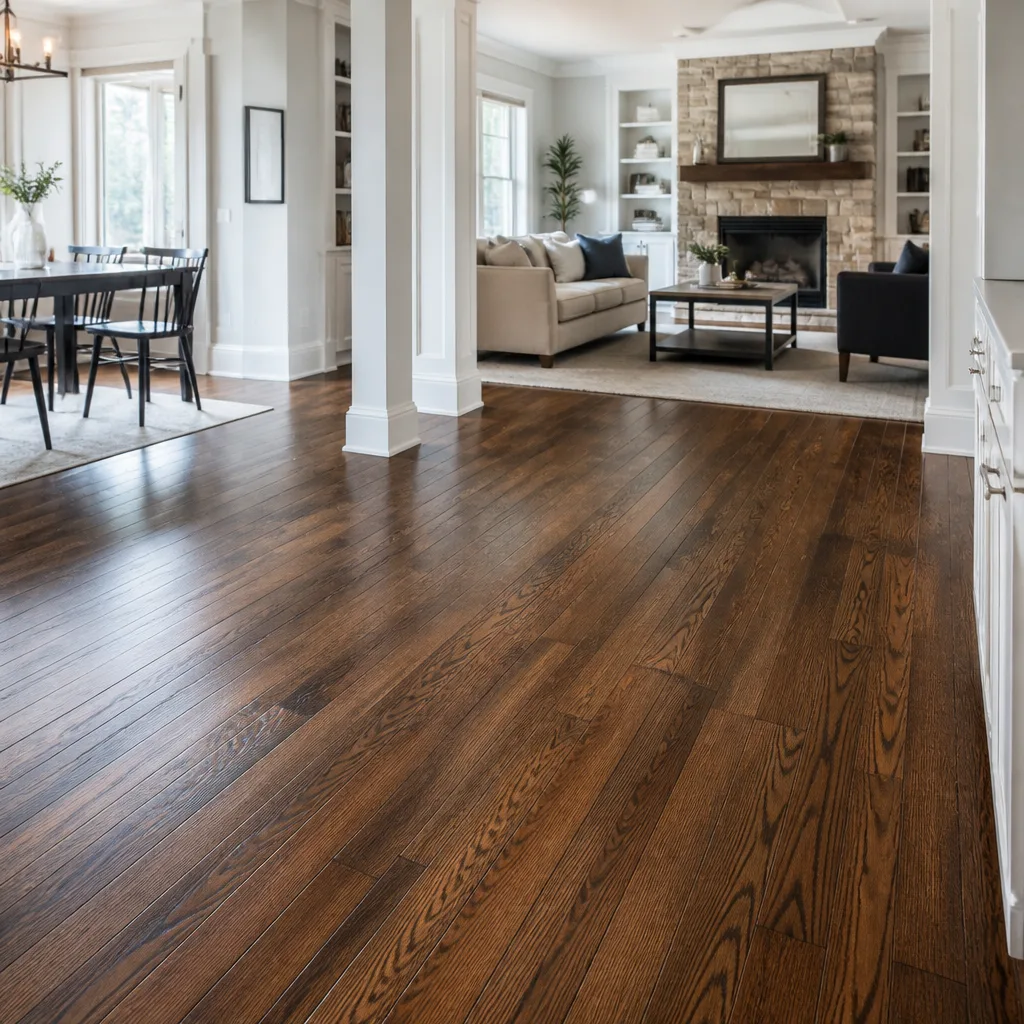 Hardwood
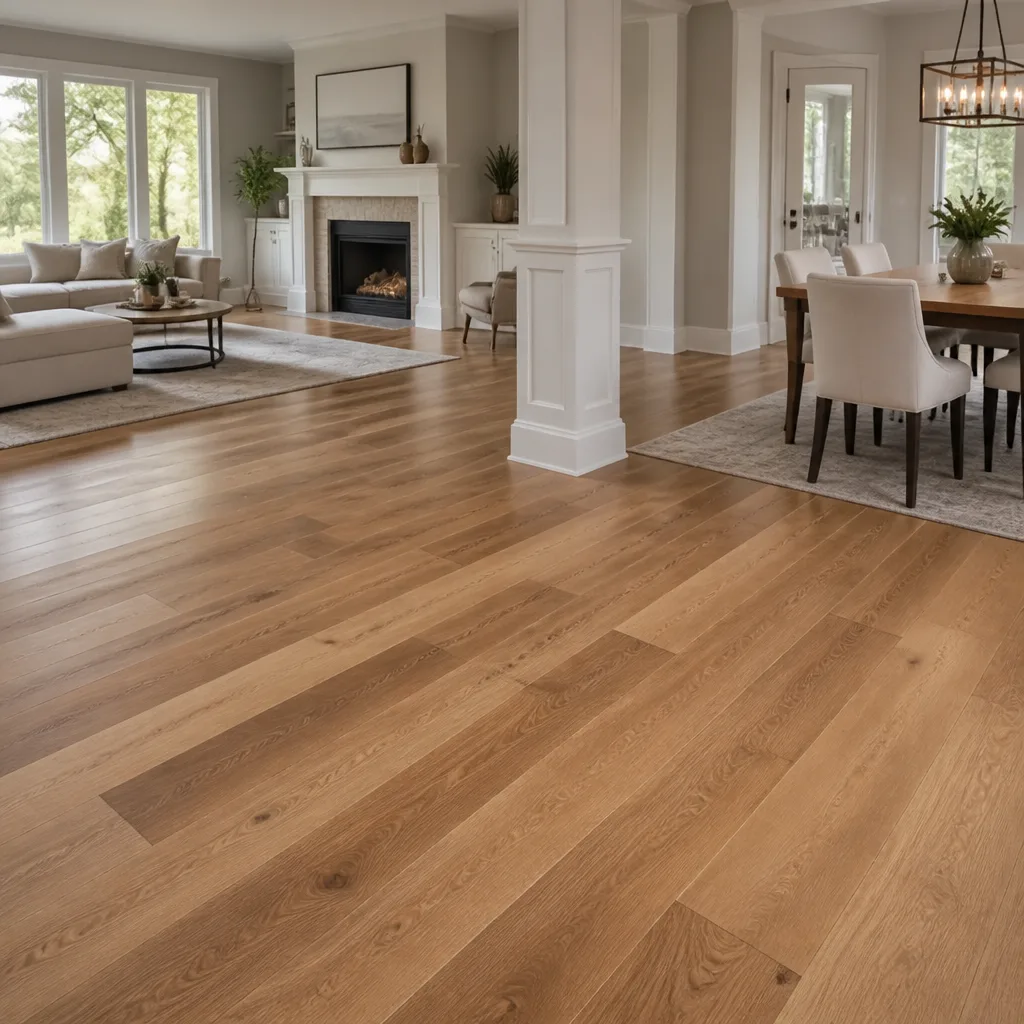 Engineered hardwood
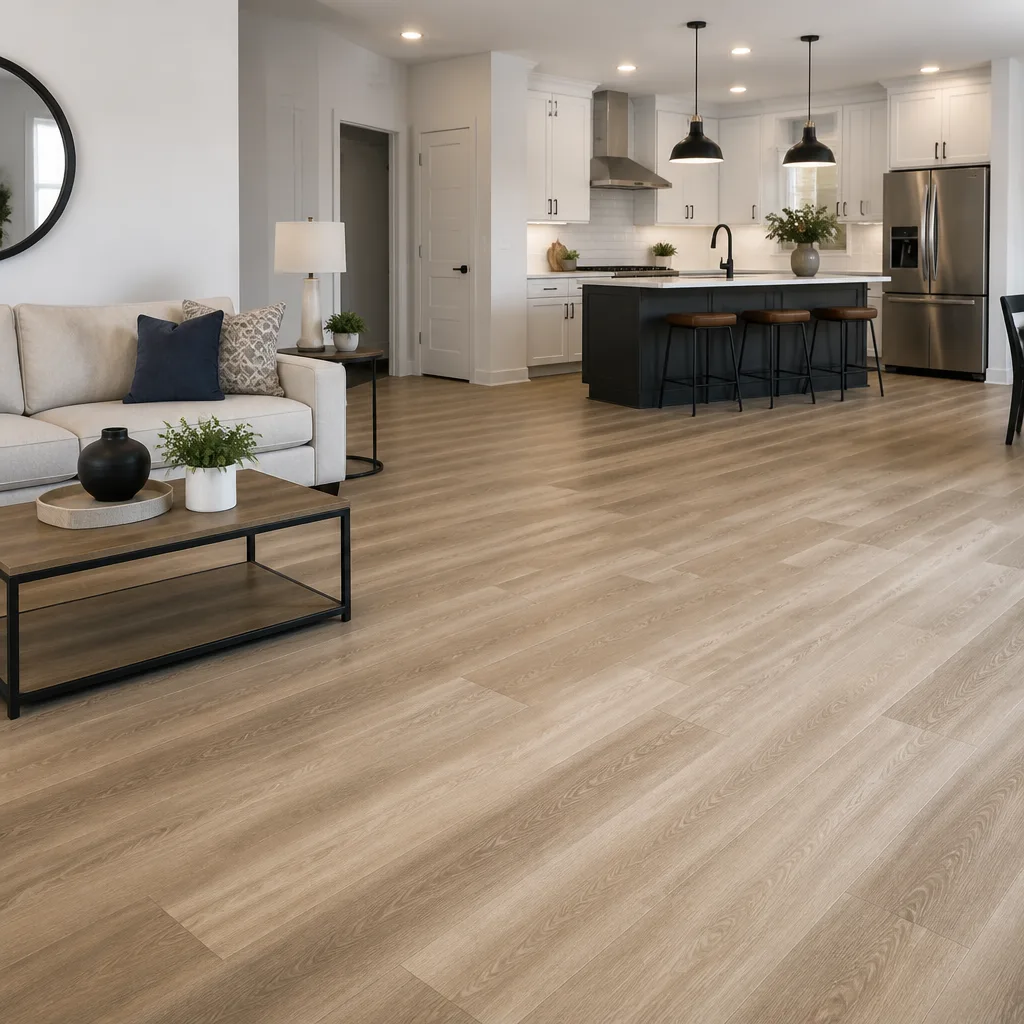 Luxury vinyl plank
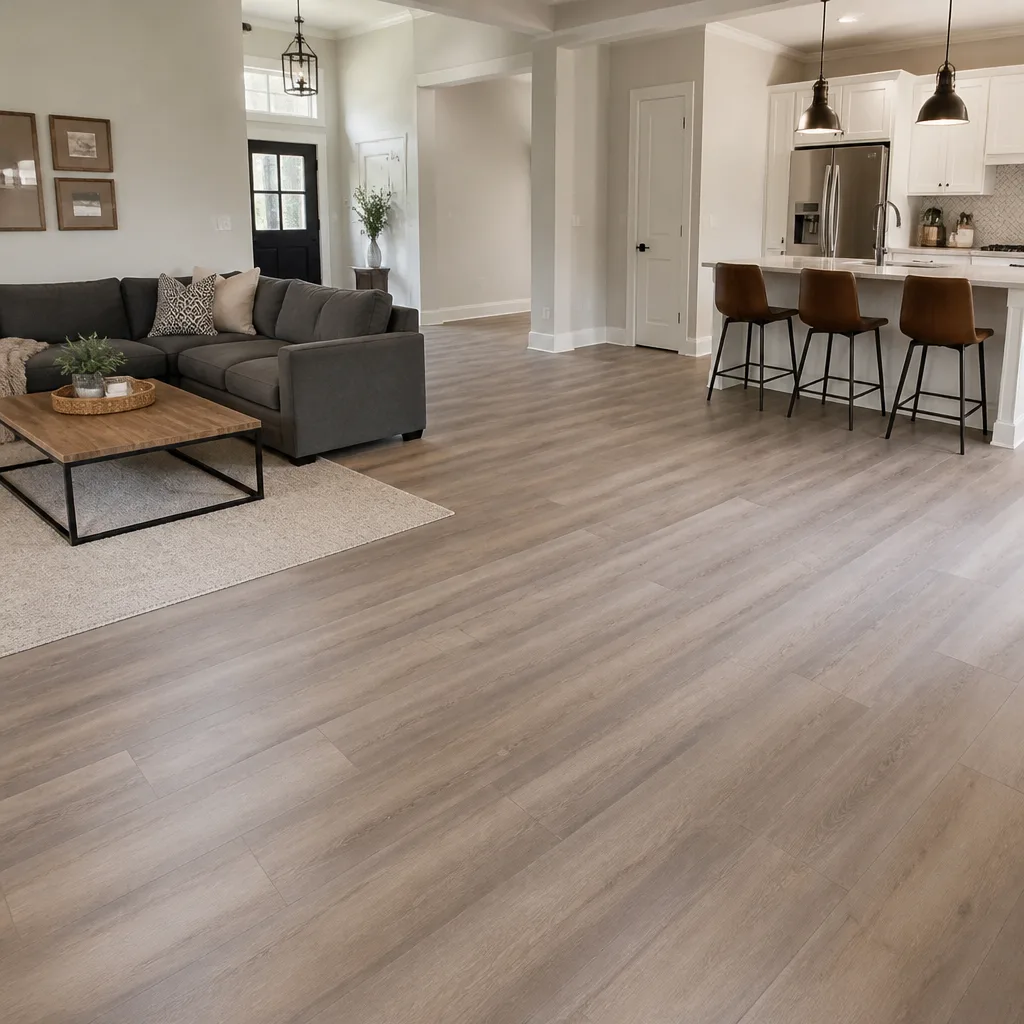 Laminate
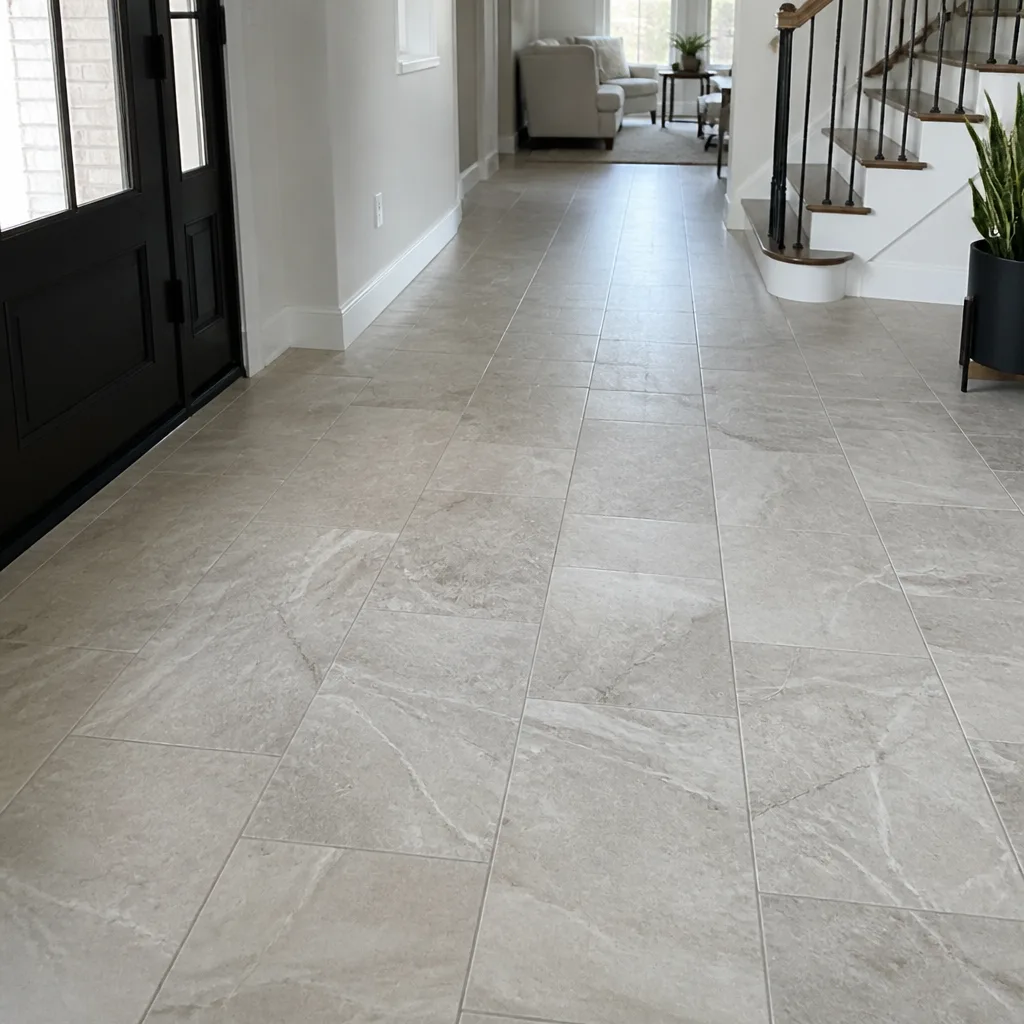 Porcelain tile
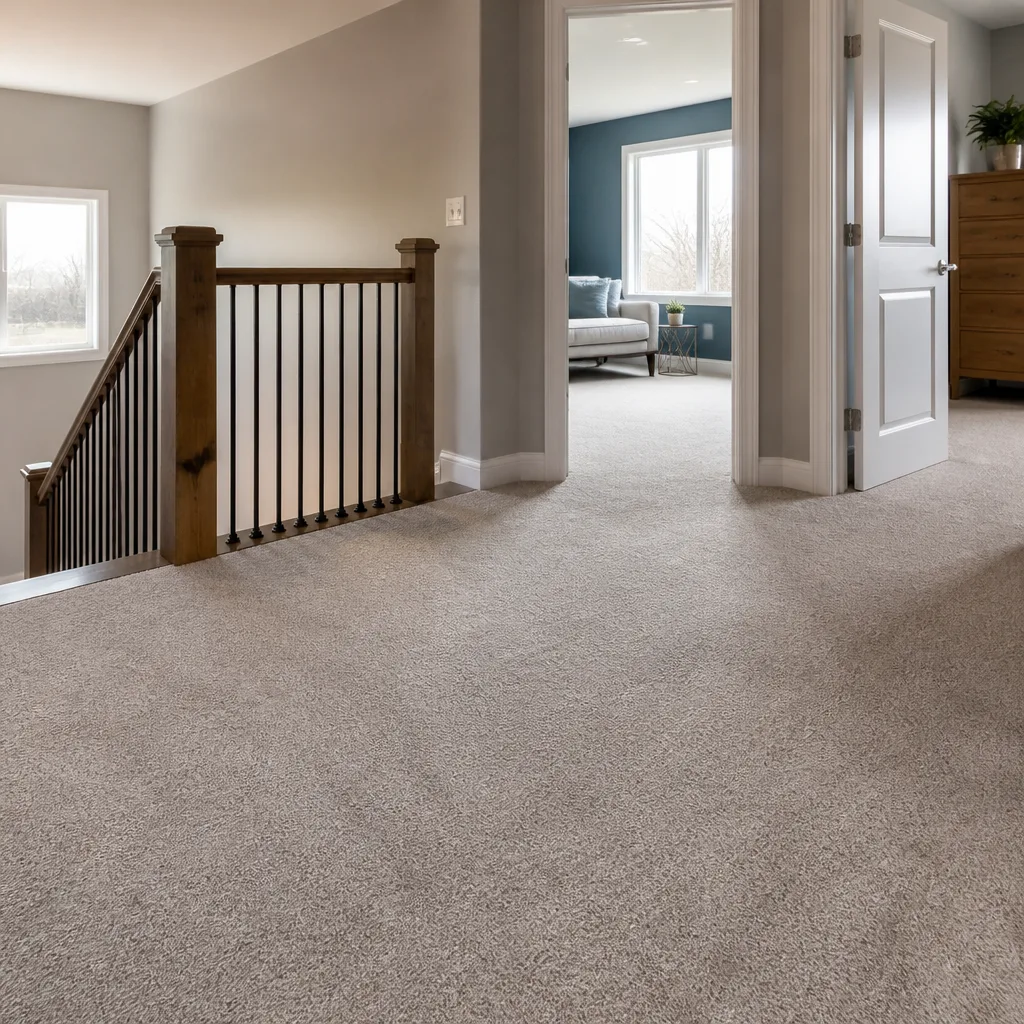 Carpet
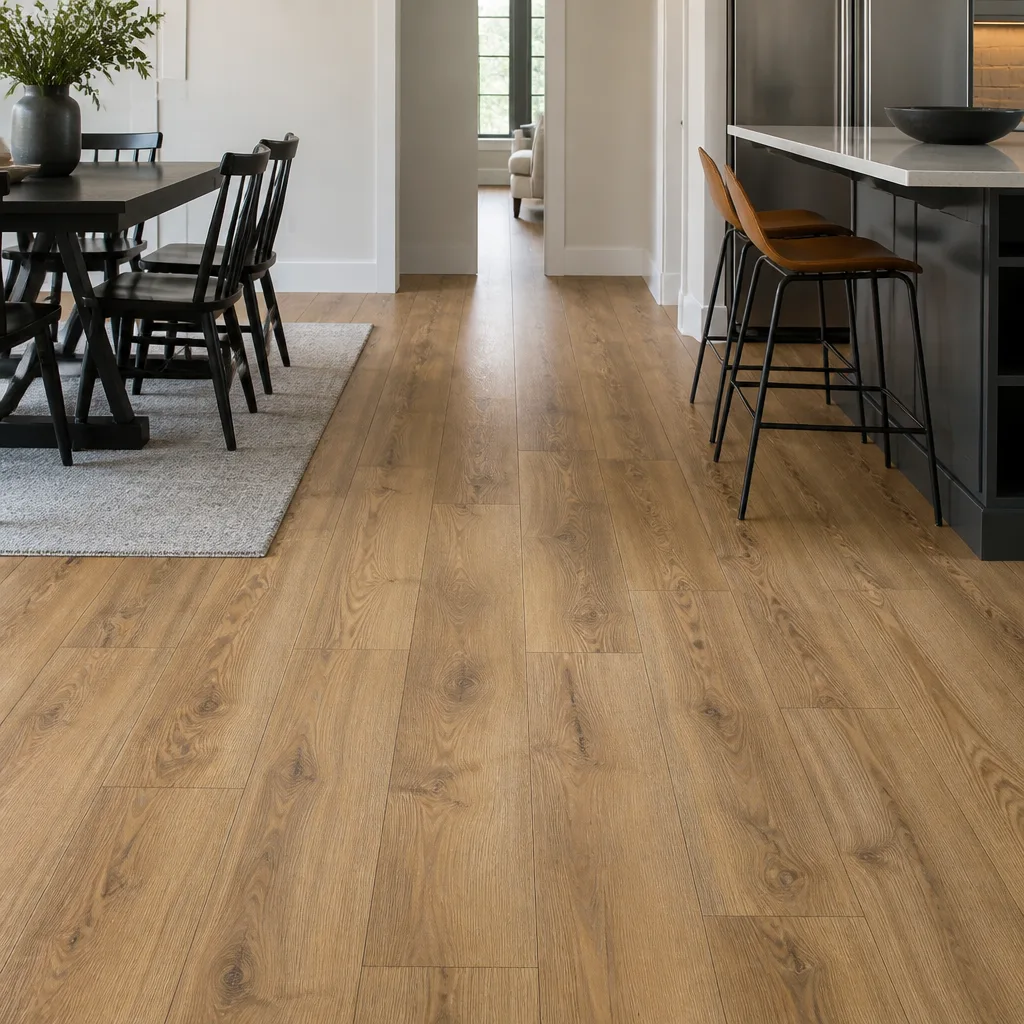 Shaw
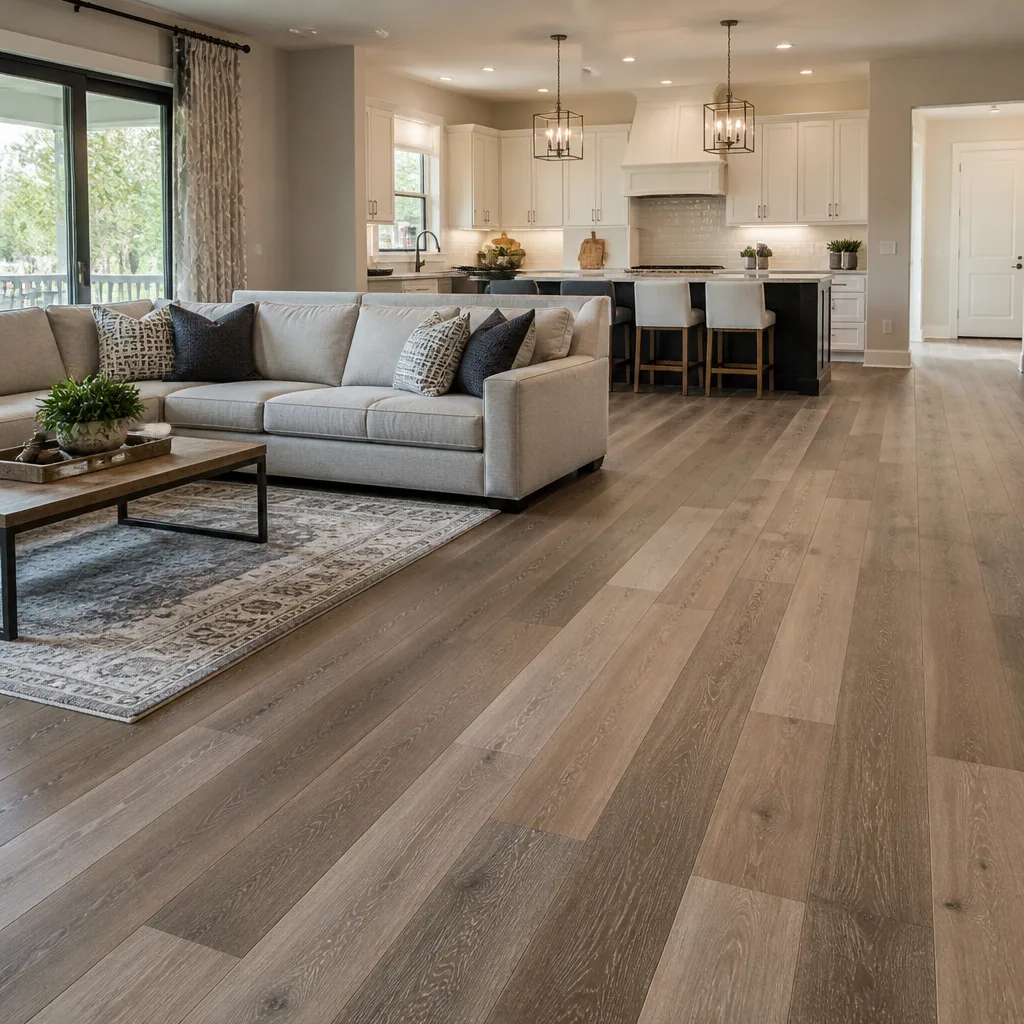 Mohawk
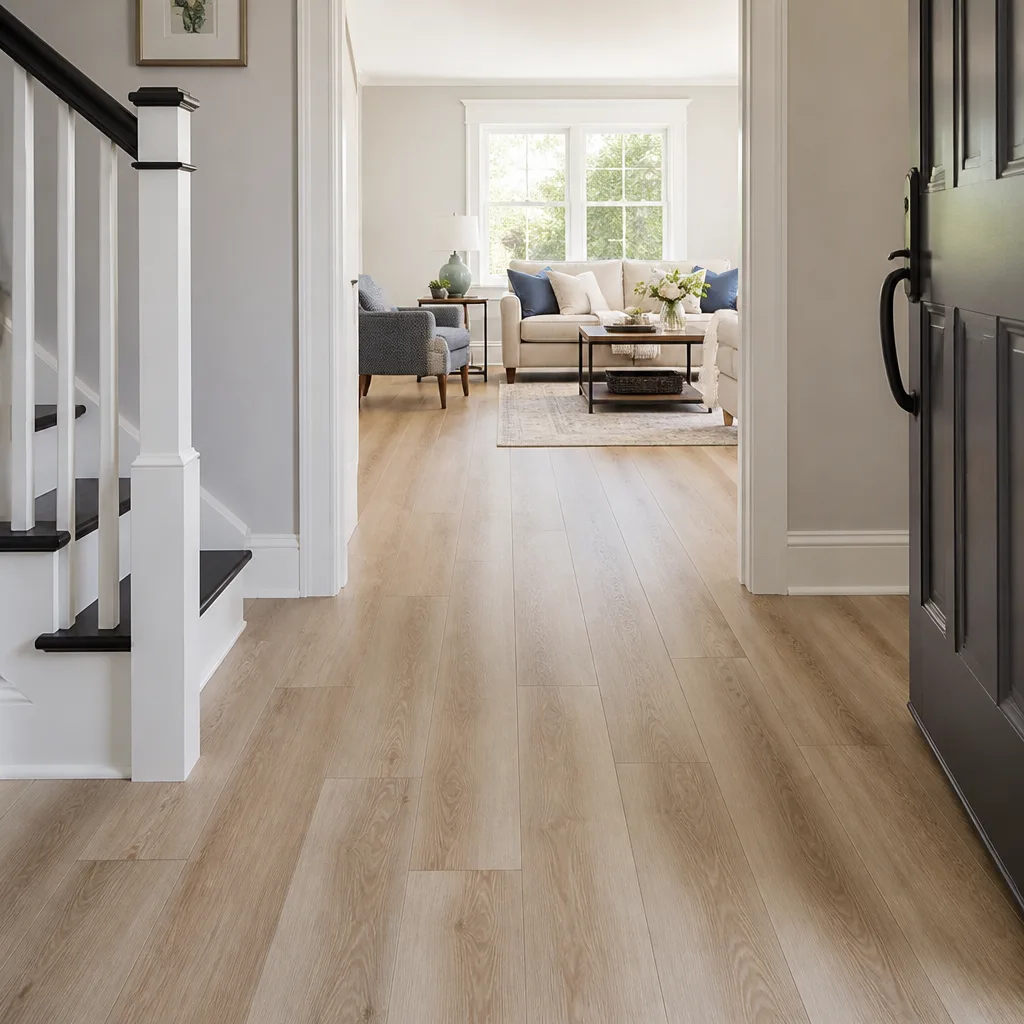 COREtec
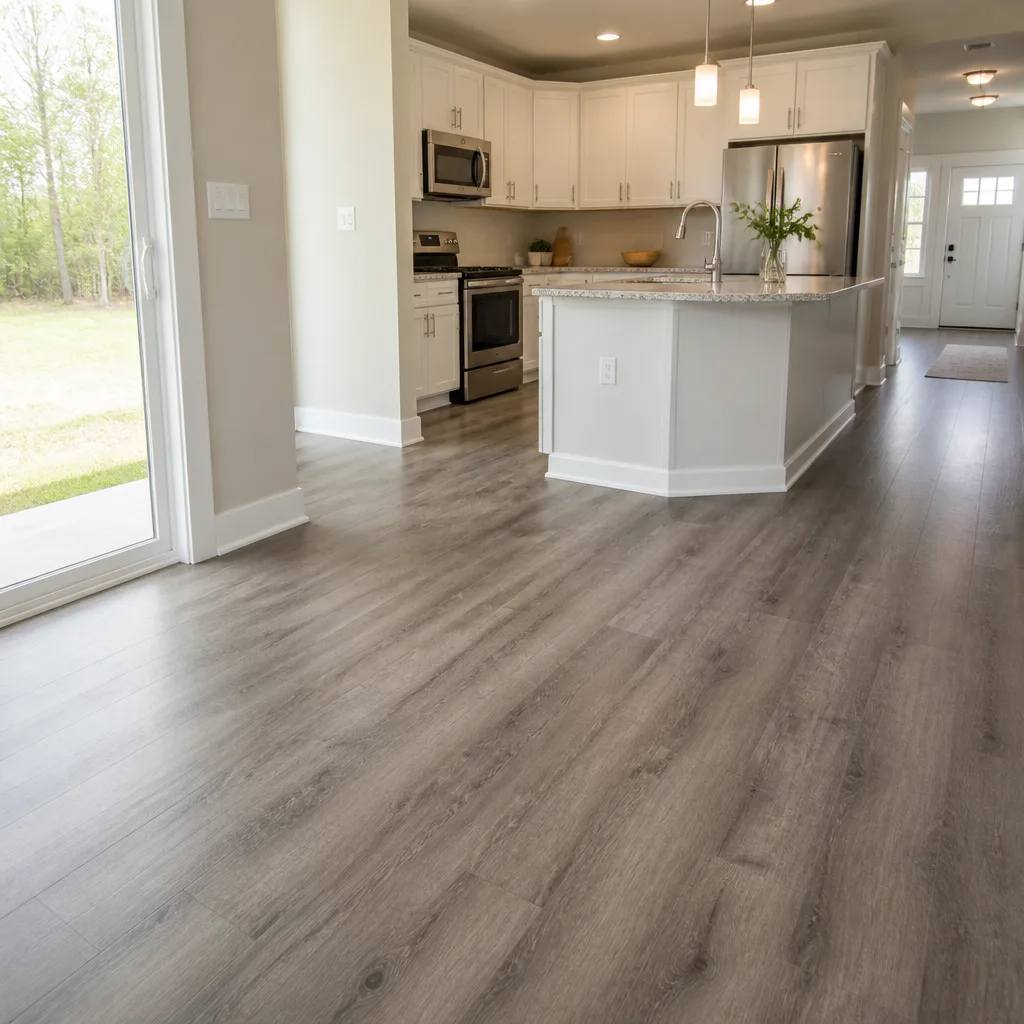 Pergo
Free in-home measure and written estimate: Shaw, Mohawk, COREtec and Pergo lines compared on your own rooms, with carpet, tile, vinyl plank, laminate and hardwood laid out side by side
Get your free estimateHow to Care for New Flooring: Hardwood, Vinyl, Laminate, Tile and Carpet
Most people assume a new floor is the finish line. It isn’t. The first year of care is what decides whether the surface still looks the way it did on install day, or whether it starts showing grit scratches, sun-bleached patches, and gaps by the second winter. The surprise for Summerlin homeowners is that the care instructions printed on the box were written for a country with average humidity, and Summerlin runs far drier than that. Dry air lifts, curls, and shrinks flooring in ways those guides never mention. This guide walks through what actually keeps hardwood, vinyl, laminate, tile, and carpet in good shape here, material by material, and where the general advice falls short.
Quick Answer
Care for new flooring by matching the cleaning method and moisture level to each material: dust-mop or vacuum often to lift desert grit, use only the cleaner the manufacturer specifies, keep indoor humidity steady year-round, and protect surfaces from direct Summerlin sun with window coverings and rug rotation. Hardwood needs moisture awareness, vinyl and laminate need water discipline at the seams, tile needs grout care, and carpet needs frequent vacuuming with quick spot treatment. Get those five routines right and most floors hold their finish for years.
Styles & brands we work with
- Hardwood
- Engineered hardwood
- Luxury vinyl plank
- Laminate
- Porcelain tile
- Carpet
- Shaw
- Mohawk
- COREtec
- Pergo
Table of Contents
- Why Desert Living Rewrites the Care Manual
- Grit and Sand: The Quiet Destroyer of Every Floor
- What “Floor Cleaner” Actually Means for Each Material
- Low Humidity and Your Hardwood Floors
- Sun, UV, and Fading: Protecting Floors in Summerlin
- Vinyl and Laminate: Water Discipline Where It Counts
- Tile and Carpet: Two Care Routines Worth Mastering
- When to Call a Professional Instead of DIY
Why Desert Living Rewrites the Care Manual
Summerlin’s average relative humidity runs below 20% in summer. That is drier than most hardwood manufacturers design their care instructions around, and it changes the job. A floor that behaves perfectly in a humid climate can gap, cup, or check here if the indoor environment swings hard between dry and damp. The problem isn’t the material; it’s the mismatch between factory assumptions and a real desert home.
Dry air pulls moisture from anything that contains it, including wood. Plank edges shrink, so narrow gaps open along the seams. Surface checking, those fine hairline cracks on the face of the wood, becomes more likely when a board dries fast. Engineered hardwood holds up better than solid in this climate because of how the layers are built, which is part of why many Summerlin homeowners lean toward engineered planks for rooms that see real sun.
Three things in the desert environment drive most floor wear:
- Low humidity swings. Indoor air dries and re-dampens with the seasons, and wood responds to every change.
- Airborne grit. Fine sand and dust get tracked in constantly and act like sandpaper underfoot.
- Intense sun. South- and west-facing windows pour in UV that fades finishes unevenly.
Add static electricity to that list. In very dry homes, synthetic surfaces build a charge that attracts dust, so a light-material vinyl or laminate floor in a dry room looks dirtier faster than the same floor elsewhere. A humidifier and a consistent cleaning rhythm solve most of it.
Grit and Sand: The Quiet Destroyer of Every Floor
The single biggest cause of finish wear on any floor in Summerlin isn’t the cleaner you use. It’s what your shoes carry in. Wind-blown sand works into homes through doorways, garage-to-house transitions, and open windows, and once it’s on the floor, every footstep grinds it into the surface like an abrasive. A finish that should last years can dull in months if grit keeps arriving.
The entry-point strategy is the fix, and it works on every material:
- Put a mat on both sides of every entry. Outside mat scrubs off sand, inside mat traps what’s left.
- Use water-hogging or textured mats at doors that see the most traffic. They hold grit instead of letting it slide.
- Ask people to remove shoes in the entry, or set out a basket of slippers for guests.
- Dust-mop or vacuum high-traffic paths often. Daily in a busy home, every other day in a quiet one.
- Wipe up sand at thresholds before it spreads. A quick broom at the garage door saves the whole floor.
Once grit is off the floor, keep it off. A vacuum with a beater bar on carpet, a dry microfiber mop on hard surfaces, and a soft broom under furniture is enough. The goal is to remove abrasive particles before they get ground in. Anyone you call in for a flooring project will tell you the same thing: homes that manage grit at the doors keep their floors far longer than homes that don’t. Grit management is the cheapest floor care you’ll ever do, and it costs nothing but a mat and a broom.
What “Floor Cleaner” Actually Means for Each Material
Bottled floor cleaner is not one product. It’s a category, and the wrong choice in the wrong room causes damage that can’t always be undone. The label on a bottle matters less than whether it belongs to that material. Here’s how the four hard-surface families differ.
Hardwood: Use a pH-neutral cleaner made for wood, applied as a light mist, never a flood. Water left to stand on planks soaks into seams, swells edges, and dulls the finish. Watch for “deep clean” liquids that promise to strip grime; on real wood they strip the finish too. Oily “polish” products used too often can build up and trap dirt, so spare them. When in doubt, follow the manufacturer’s written instructions. Our technicians have up to 9 years of experience and see the same result in homes where wood got wet-mopped for years: dull finish, dark seams, and boards that need refinishing long before they should.
Luxury vinyl plank and tile (LVP/LVT): Water-tolerant, but not a license to soak the floor. A damp mop with a manufacturer-approved vinyl cleaner is right. Avoid abrasive scouring pads and ammonia-heavy glass cleaners, which can dull the wear layer over time. COREtec and LifeProof vinyl lines are tough, but “water-resistant” is not “waterproof,” and standing water at the seams still needs attention.
Laminate: This one forgives the least where water is concerned. Use a nearly dry mop and a cleaner the laminate maker approves. Never steam-mop laminate; trapped moisture has nowhere to go and can swell the core. Pergo and Mannington laminate planks reward a light touch.
Tile: Ceramic and porcelain surfaces take a cleaner the material tolerates, mild and non-acidic. Acidic cleaners and strong vinegar solutions can etch grout and dull some glazes; keep them off grout lines. The grout, not the tile, is where most tile care happens, and we cover that in the tile section below.
The rule that ties this together: match the cleaner to the material, follow the maker’s directions, and never assume a product is safe everywhere. A bottle of wood cleaner belongs on wood, a tile cleaner on tile, and neither belongs on carpet.
Low Humidity and Your Hardwood Floors
Hardwood and humidity have a long, complicated relationship, and in a place as dry as Summerlin you have to manage it deliberately. Wood takes on or gives off moisture until it roughly matches the air around it. When the air is bone dry, planks shrink and edges pull apart. When it swings back wet in winter, planks take moisture up and can cup or crown. The goal isn’t to make a desert home humid; it’s to keep the number steady.
Humidification strategies that actually help:
- Keep indoor relative humidity in a moderate range year-round. A whole-home humidifier tied to your HVAC is the steadiest option; portable units work for individual rooms.
- Watch the seasons. Summer air inside a Summerlin home runs very dry; winter indoor heating dries it further. Both push wood toward gapping.
- Skip the draft. Avoid blowing dry forced-air heat directly across wood floors for long stretches.
- Clean up immediately. A spilled glass or a leaky plant over a hardwood floor needs attention right away, not later.
- Let the floor tell you. Gaps that appear in summer and close in winter tell you the indoor humidity is swinging. A floor that gaps and stays gapped needs a closer look.
Engineered floors and plank lines like Mannington engineered hardwood manage low humidity more predictably than solid wood, which is why many Summerlin homeowners choose engineered for sun-exposed rooms. Neither engineered nor solid is immune, though. Acclimation, humidity control, and following the product instructions are what protect any wood floor. If you’re weighing replacement versus restoration, our page on Summerlin flooring walks through what a room-by-room decision looks like. Refinishing is a strong option before leaning toward replacing a floor that just needs a new finish.
Sun, UV, and Fading: Protecting Floors in Summerlin
Hardwood fades. So does vinyl, laminate, and even some carpet fibers. A floor that gets full afternoon sun will change color over the years, and the change rarely happens evenly: it happens where the sun hits and not where it doesn’t, which leaves the room looking blotchy. That’s the UV problem in Summerlin, and it is one of the most underrated care issues in the desert.
How to handle it:
- Manage the light. Window film rated for UV helps cut what reaches the floor. Block-out shades and lined curtains on south- and west-facing windows are the simplest defense.
- Rotate rugs. A rug holds color where it covers; the sun-exposed border around it doesn’t. Rotate rugs and furniture seasonally so sun exposure spreads around.
- Move furniture now and then. A sofa in the same spot for years leaves a shadow on the floor beneath it. Rearrange occasionally so the fade is uniform.
- Refinish rather than replace. Hardwood refinishing takes off the faded finish and reveals fresh wood beneath. When done on a floor with enough thickness to work with, it’s faster and less costly than new planks. Whether refinishing is the right call depends on the wood’s thickness and condition, checked at an estimate visit.
- Choose window coverings deliberately in the rooms that get the hottest light, and close them during the brightest part of the day.
Our technicians have up to 9 years of experience and regularly see the fade pattern this creates: bright rings where rugs sat, faded strips where sun hit. UV protection is cheap compared with replacing a floor, and it is much easier to prevent than to correct. Think of window film and rug rotation as floor care, not just window care.
Vinyl and Laminate: Water Discipline Where It Counts
Luxury vinyl and laminate get sold on the strength of their water resistance, and that’s fair. But “water-resistant” is not “waterproof,” and neither material handles standing water well. COREtec and LifeProof vinyl lines are engineeered to shrug off moisture on the surface. That doesn’t stop water that sits on a seam, wicks under an edge, or pools next to a baseboard. Laminate is even more sensitive to moisture between the planks. The care routine that actually works for both is simple and identical.
- Mop damp, never wet. Wring the mop until it’s barely damp, and dry the floor after.
- Don’t let water sit. A spill on a vinyl or laminate floor should be wiped up promptly, especially at the seams.
- Skip the steam mop. Steam pushes moisture into places the material can’t get rid of it.
- Felt pads under furniture. Nothing scuffs a wear layer faster than a chair dragged across it.
- Watch the refrigerator and dishwasher. A slow leak under an appliance is a vinyl floor’s worst enemy; check for it now and then.
Static is worth a mention again here. In dry Summerlin homes, vinyl and laminate floors attract dust, so a weekly damp mop keeps the surface behaving and reduces the charge. Our article on carpet installation touches on the same dry-air theme for soft surfaces, where dust and static have their own routine. For vinyl specifically, a floor like Pergo or COREtec needs almost no special work beyond water discipline and a good mat at the door. That’s the whole routine.
Tile and Carpet: Two Care Routines Worth Mastering
Tile and carpet sit at opposite ends of the care spectrum, which is why they’re worth learning as a pair. Tile is about grout. Carpet is about what goes down into the pile.
Tile care comes down to three routines:
- Grout resealing. Grout is porous. In a dry climate it won’t take on moisture the way it might elsewhere, but dust and grit settle into the lines and dull the color. Reseal on the schedule the grout and sealer maker gives; if the water beads and darkens the grout too quickly, it’s ready for another coat.
- Sweep and damp-mop regularly. Dry dust first, then a damp mop with a cleaner that won’t attack the grout.
- Address chips early. A chipped tile can spread into a crack, and grout that cracks can let in grit. Small repairs handled promptly stay small.
Carpet care is mostly vacuuming and quick spot work:
- Vacuum often. High-traffic areas several times a week in a home with desert grit coming in, other areas weekly.
- Blot spills, don’t scrub. Press a clean cloth down and lift, working from the outside in so the spot doesn’t spread.
- Use spot cleaners the carpet maker approves, and test any cleaner on an inconspicuous patch first.
- Rotate furniture and vacuum under it so traffic patterns don’t set.
- Know when a spot needs a pro. Pet accidents, dye-based spills, and anything that keeps coming back deserve a professional look rather than another round of over-the-counter cleaner.
Professional-grade tile matters too. Daltile’s ceramic and porcelain options are the kind of material trusted by tile setters nationwide, which is part of why we source them. Full-service tile flooring installation sets the grout and the sealer up right, and good installation is half of good tile care. Carpet is similar: the right pad and install make the floor easier to keep clean, not just softer underfoot.
When to Call a Professional Instead of DIY
Most flooring care is homeowner work. The right broom, the right cleaner, and a good mat will handle the day-to-day. Some things need a trained eye, though, and handling them early saves bigger trouble.
Call a professional when:
- Hardwood gaps stay open or planks cup even after you’ve steadied indoor humidity. That can point to moisture problems a care routine won’t fix.
- A hardwood floor needs refinishing. Stripping and re-coating is a job for a specialist, not a weekend sanding project. Refinish before you replace.
- Scratches and gouges go deeper than the finish. Surface scuffs are DIY-friendly; deep damage may need a board repaired or the floor sanded and refinished.
- Grout lines are cracking or missing material. Grout resealing and repair are straightforward for a pro and easy to make worse by hand.
- A carpet spot won’t lift after a reasonable attempt. Repeated scrubbing can set the stain deeper or damage the fiber.
- A vinyl or laminate floor is lifting at the seams. Underlying moisture or a failed seam is a professional job.
Flooring Summerlin offers free estimates in Summerlin. Call (844) 320-6715 to book a visit and get a written quote. Our technicians have up to 9 years of experience and can tell you what’s care and what’s repair. Estimates are free, and the written estimate sets the price.
See the difference
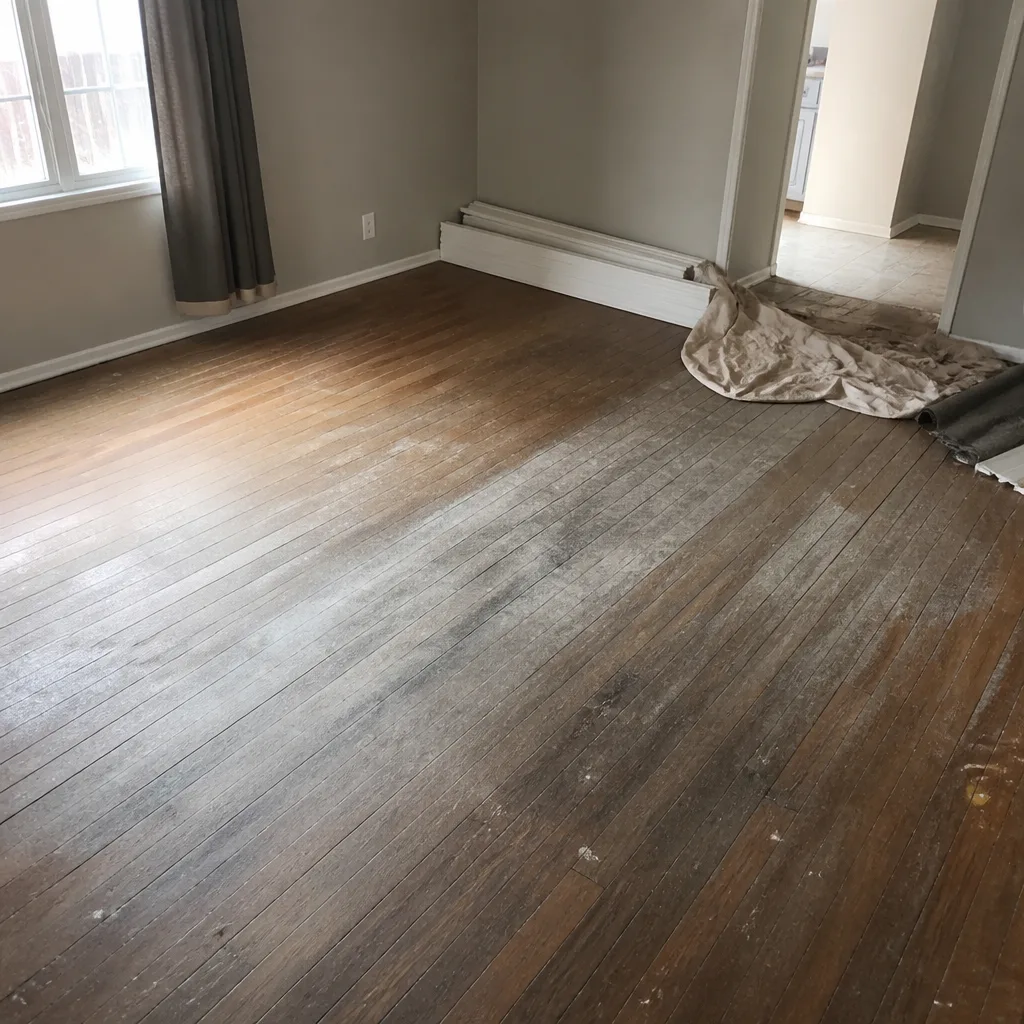 Before
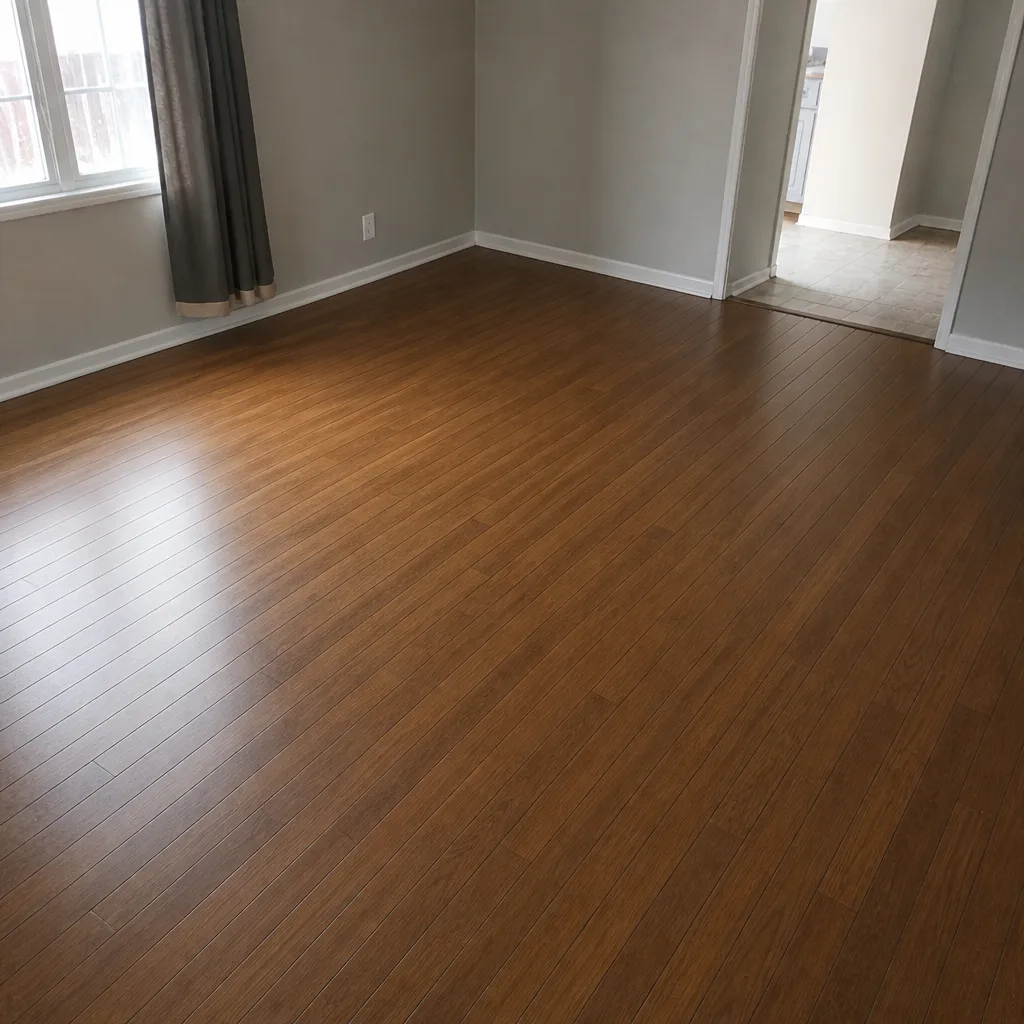 After
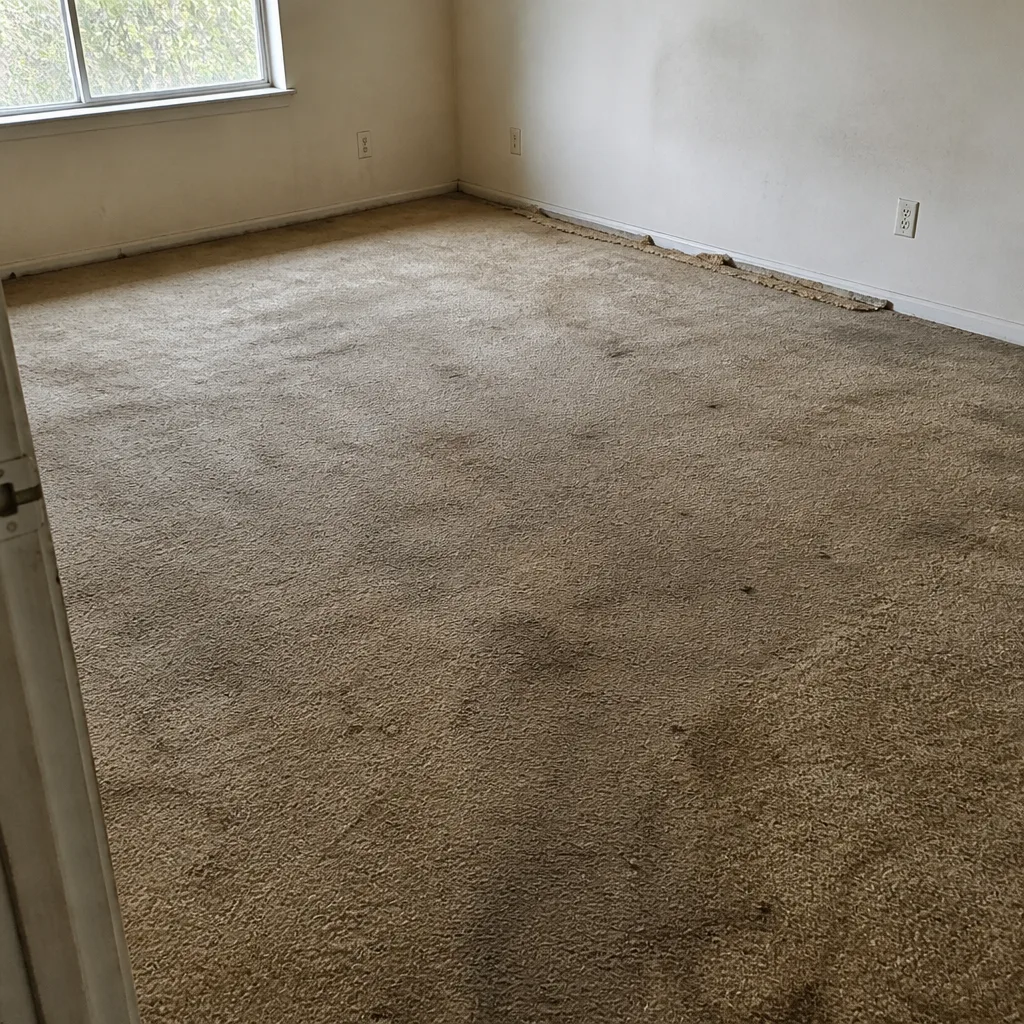 Before
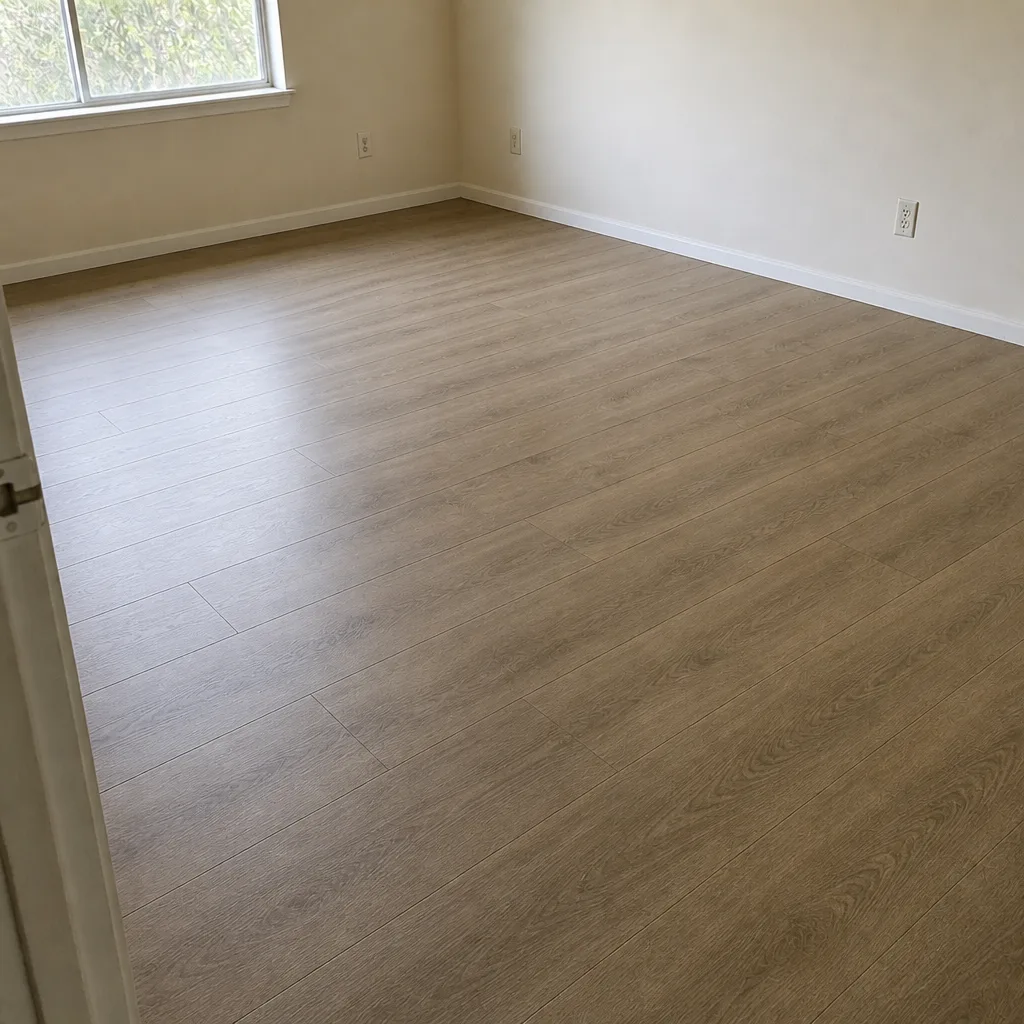 After
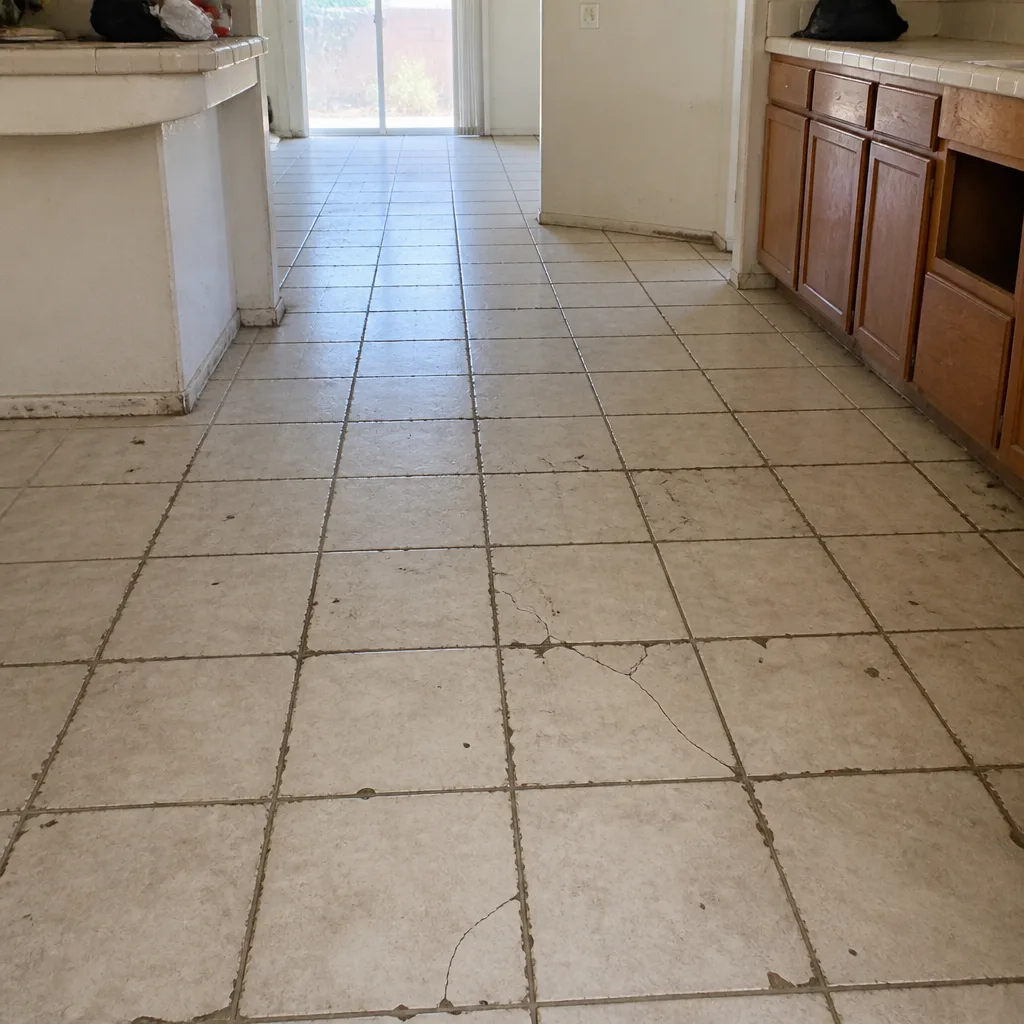 Before
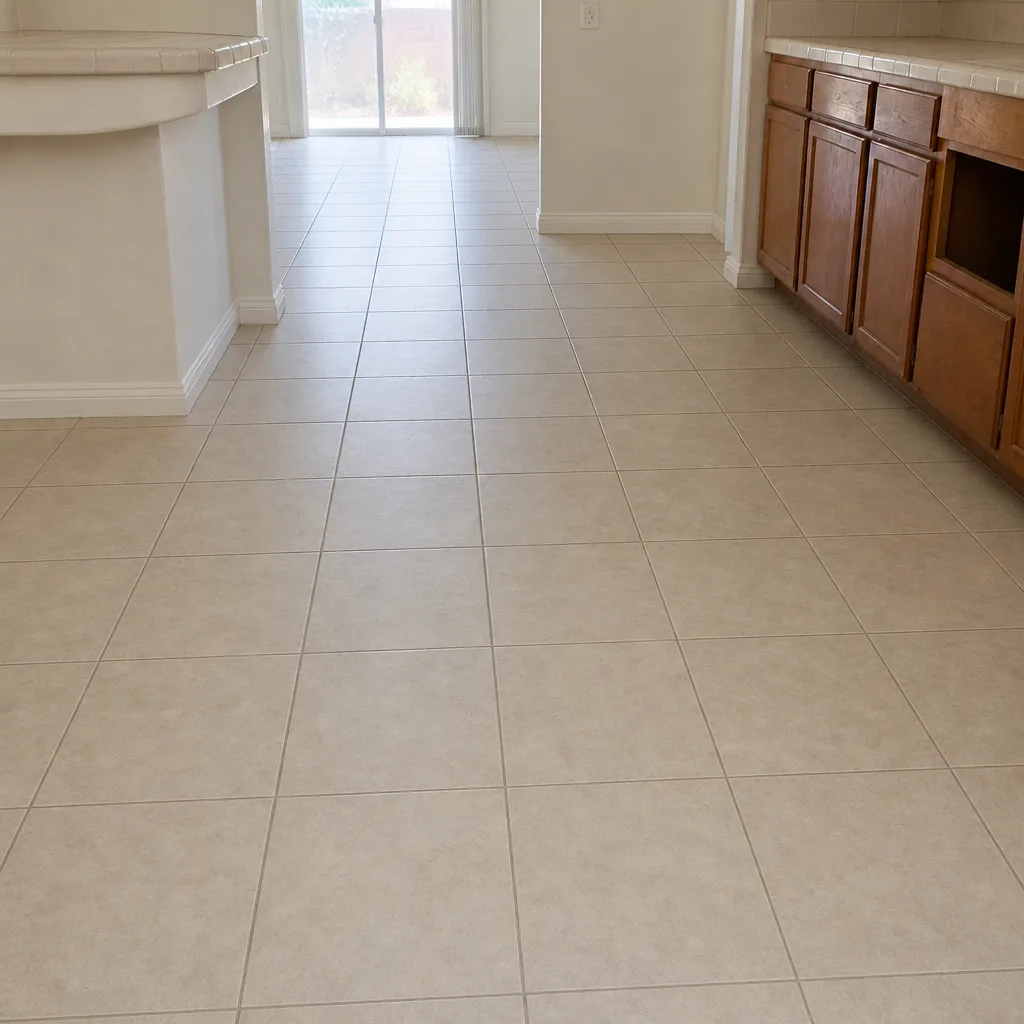 After
Common Mistakes to Avoid
- Wet-mopping wood. Standing water on hardwood soaks into seams, swells edges, and dulls the finish. Use a mist of pH-neutral cleaner, never a flooded mop.
- Steam-mopping laminate or vinyl. Steam pushes moisture where the material can’t tolerate it. A barely damp mop is all either one needs.
- Using any cleaner on any floor. Acidic or abrasive products on tile can etch grout; wood polish on vinyl builds up. Match the cleaner to the material.
- Ignoring indoor humidity. Dry desert air gaps hardwood and shrinks planks. A humidifier and stable indoor air do more for a wood floor than any cleaner.
- Letting sun hit one spot forever. UV fades floors unevenly. Rotate rugs, move furniture, and manage window light on south- and west-facing rooms.
- Skimping on entry mats. Grit tracked in from the desert is the biggest finish destroyer. Both sides of every entry need a mat, and so does the garage door.
- Scrubbing a carpet spot too hard. Blot, don’t scrub. Aggressive rubbing sets stains deeper and can damage carpet fiber.
Frequently Asked Questions
Dust-mop or vacuum hardwood two or three times a week in high-traffic rooms and at least once a week in quieter ones. Damp-mop with a pH-neutral wood cleaner only when the floor needs it, not on a fixed schedule. The desert grit that arrives daily is the real driver, so the more often you lift grit, the less often you’ll need to damp-clean. Call (844) 320-6715 for an exact plan if you’re unsure what your specific floor wants.
Luxury vinyl plank is water-resistant, not waterproof. It shrugs off everyday spills and damp mopping, but standing water at the seams and moisture from below still need to be dealt with. Lines like COREtec and LifeProof handle the surface fine; it’s the edges and the subfloor that need care. If water is pooling under an appliance, fix the source first. Call (844) 320-6715 for advice, free.
Gaps usually mean the wood has dried and shrunk, which is common in a home with very dry indoor air. In Summerlin that can happen every summer if humidity isn’t managed. Steady indoor humidity from a whole-home humidifier cuts down on gapping, and gaps that stay open after the air stabilizes suggest a moisture problem worth having looked at. Call (844) 320-6715 for an evaluation; estimates are free.
Wood cleaner is pH-neutral and safe on a wood finish. Vinyl cleaner is made for its wear layer and won’t dull it. Tile cleaner is formulated to not etch grout or dull glaze. Using a wood product on vinyl or a tile acid on grout can cause damage the wrong bottle won’t undo. Match the cleaner to the material and follow the manufacturer’s directions. For help choosing products for your floors, call (844) 320-6715.
Often yes, if the wood is thick enough and in good condition. Refinishing strips the old finish and reveals fresh wood beneath, and it’s a smarter path when the planks are sound and just look worn. Whether your floor can be refinished is checked at an estimate visit, since it depends on thickness and condition. Call (844) 320-6715 to book a free estimate. Our technicians have up to 9 years of experience with refinishing.
Fading in a sunny room comes from UV, so the fix is managing light: window film, shades or lined curtains, and rotating rugs and furniture so exposure spreads around. Vacuum regularly too, since sun-dulled carpet holds dust and looks tired faster. If a carpet is already faded unevenly, we can talk through replacement options in Summerlin; call (844) 320-6715 for a free estimate.
The Bottom Line
New flooring stays new-looking when the care routine matches the material and the climate. In Summerlin that means treating desert grit as your biggest enemy, keeping indoor humidity steady for wood floors, managing UV on sun-facing rooms, and knowing that “floor cleaner” for each surface is a different product. Hardwood wants moisture awareness and refinishing before replacement, tile wants grout care, carpet wants frequent vacuuming and gentle spot work, and vinyl and laminate want a damp mop and no standing water. Manage those routines and most floors hold up for years. When care isn’t enough and repair is the answer, or when you’re choosing new flooring from carpet to tile to hardwood, our whole specialty is floors. Call (844) 320-6715 for a free estimate. We answer 24/7. Fast dispatch from 7am to 7pm, Sunday through Friday. We supply and install products from Shaw, Mohawk, COREtec, Pergo, LifeProof, Mannington, Armstrong, Daltile, and Karndean, and every piece of guidance we give is grounded in our single-trade focus: nine brands, one specialty, floor-only work.
Written by the team at Flooring Summerlin.