
Last updated November 18, 2026
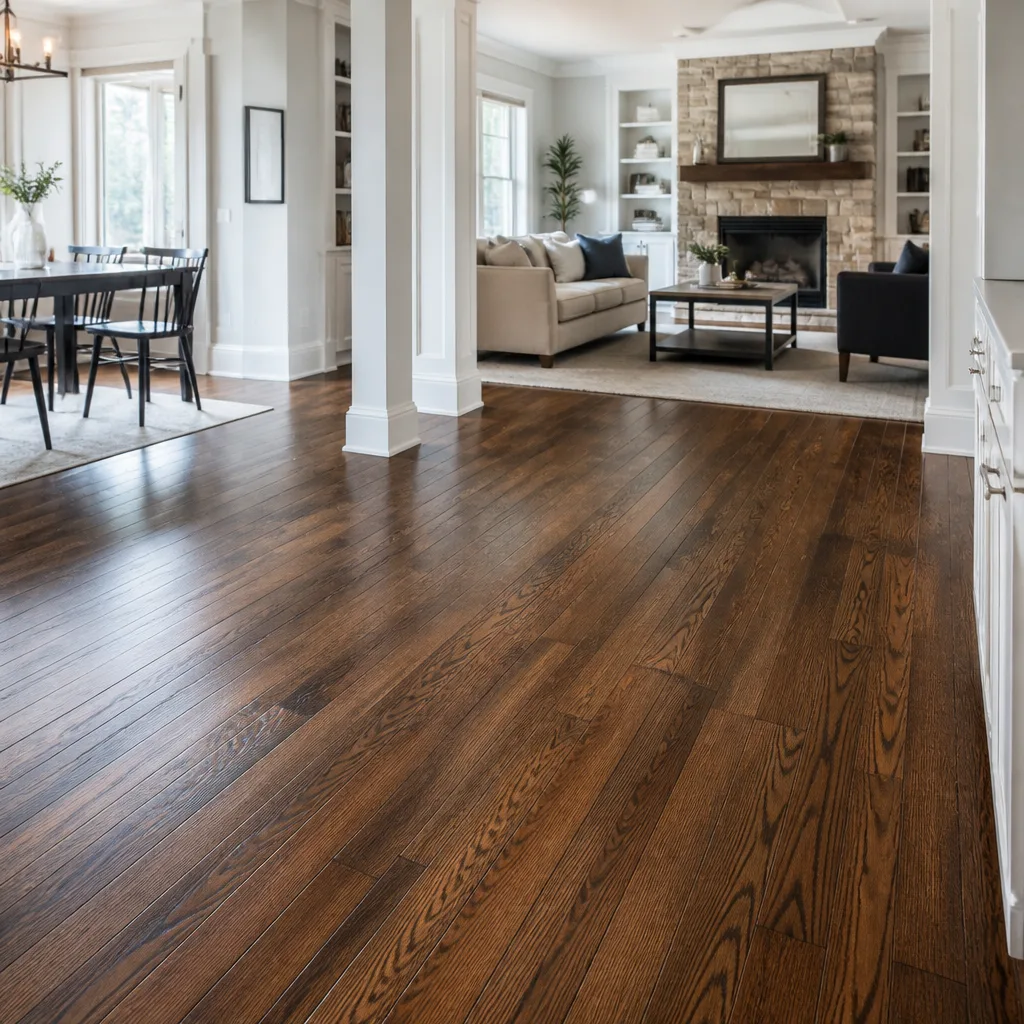 Hardwood
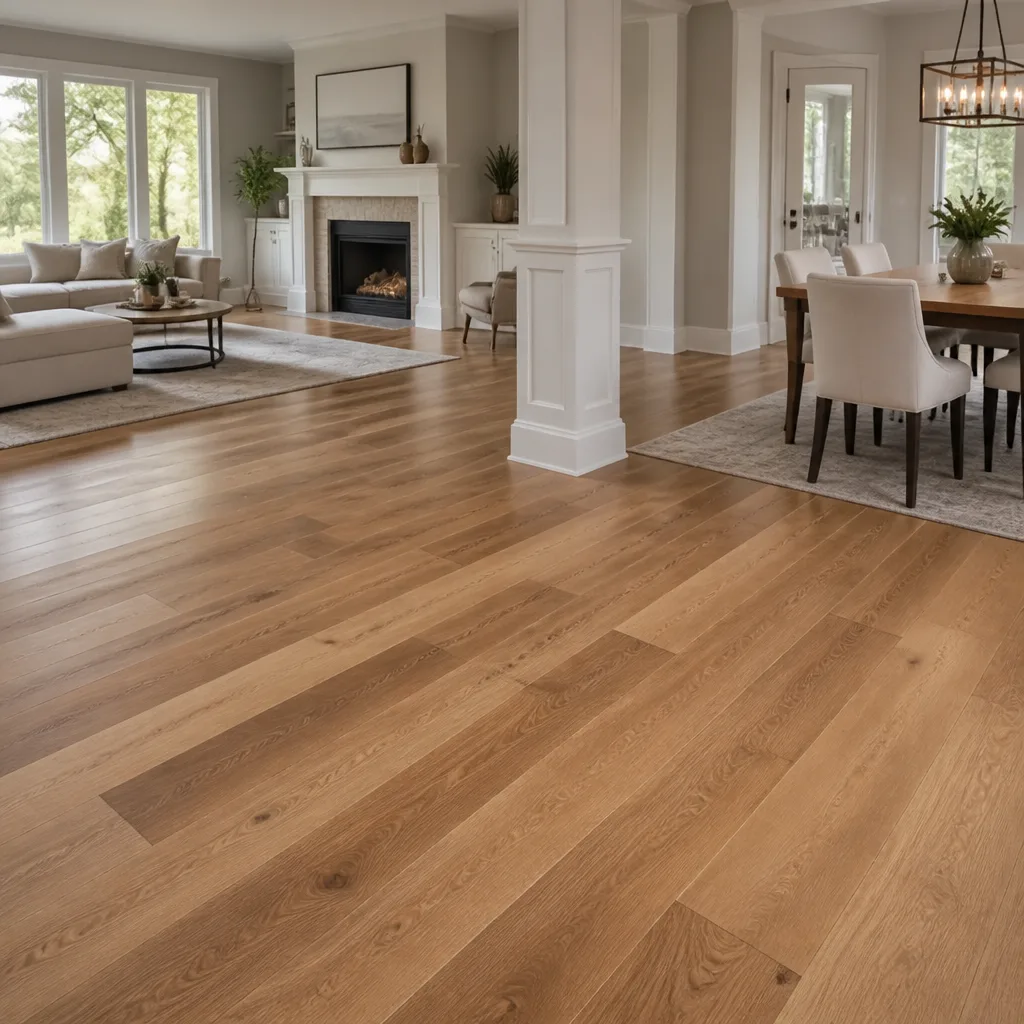 Engineered hardwood
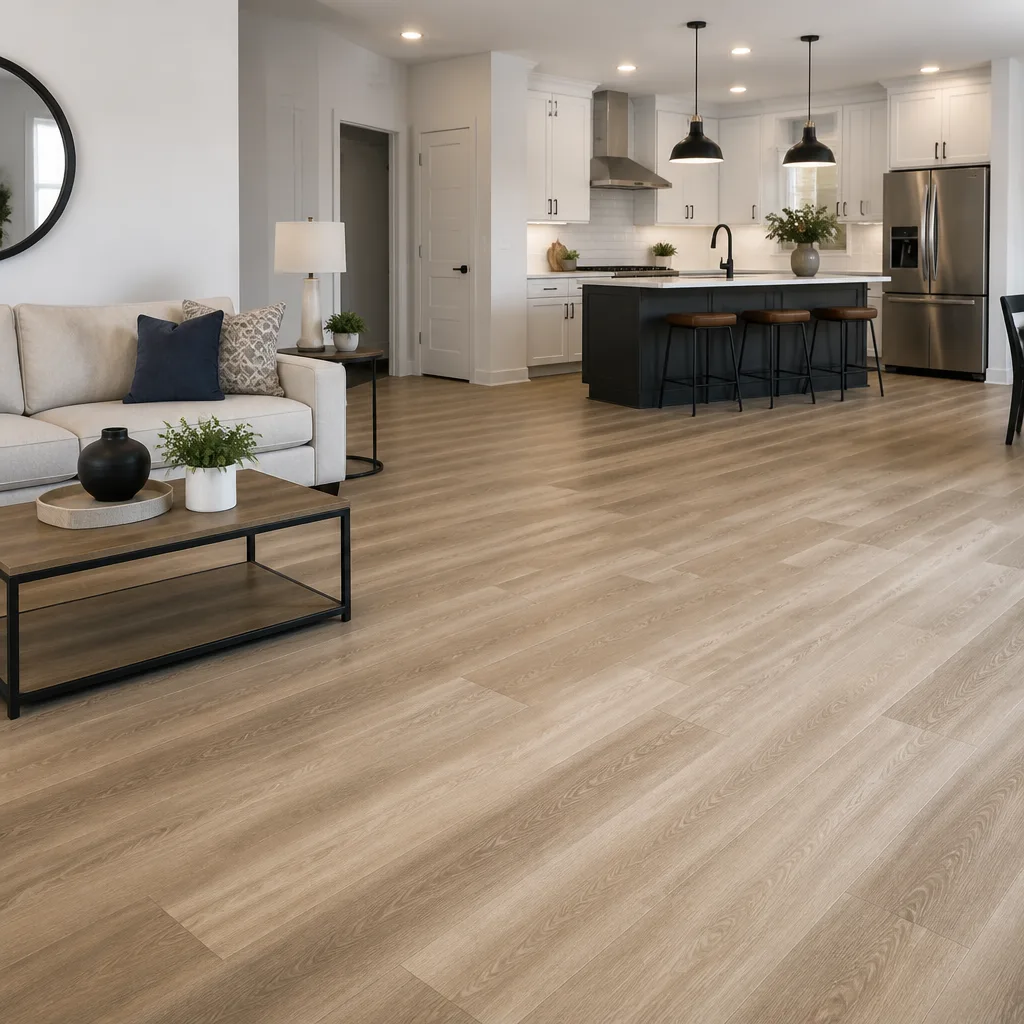 Luxury vinyl plank
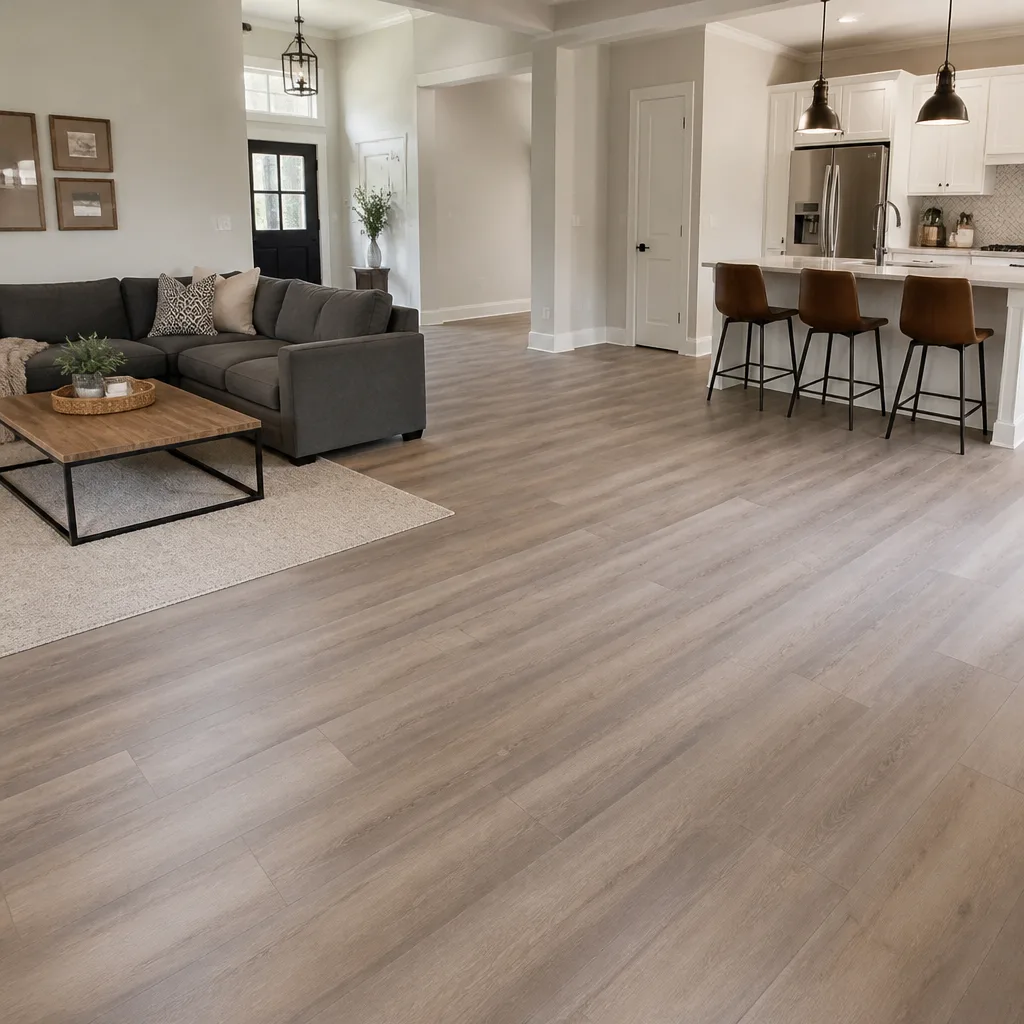 Laminate
 Porcelain tile
 Carpet
 Shaw
 Mohawk
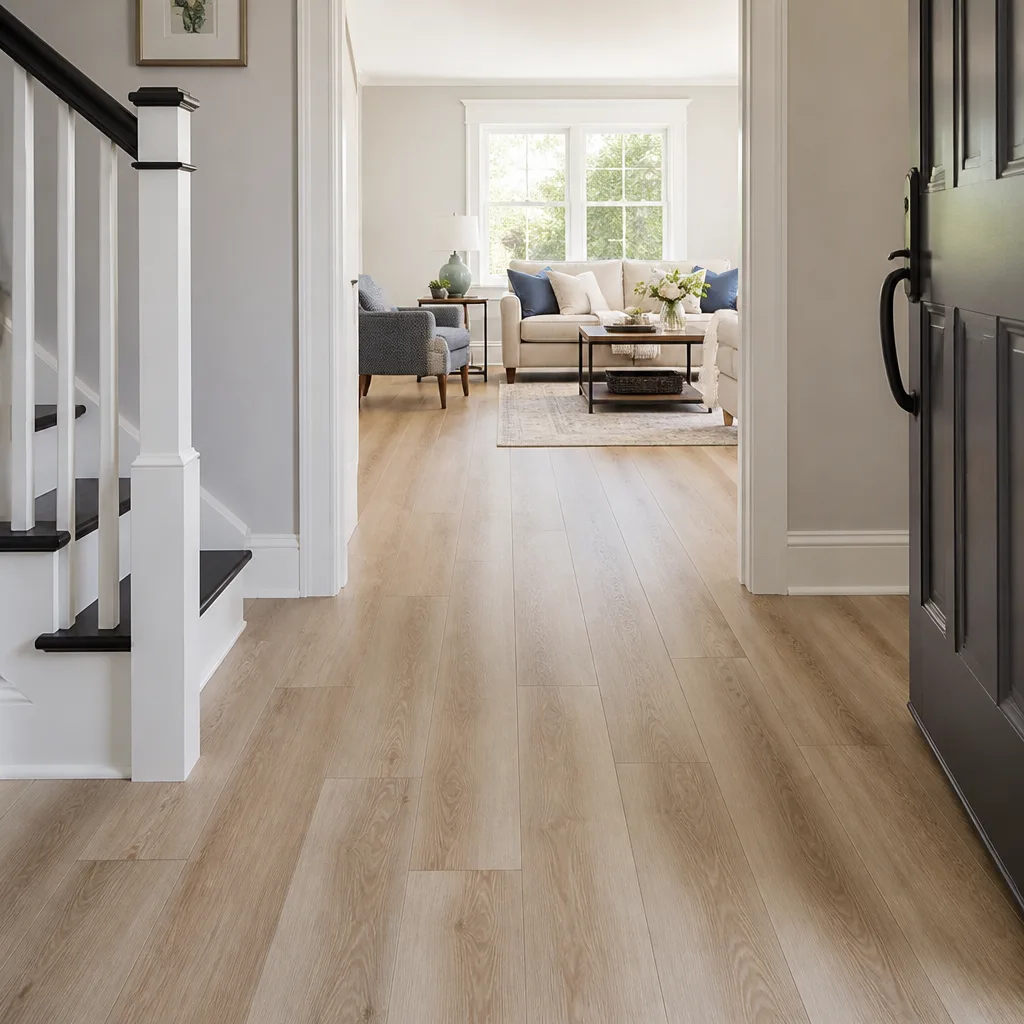 COREtec
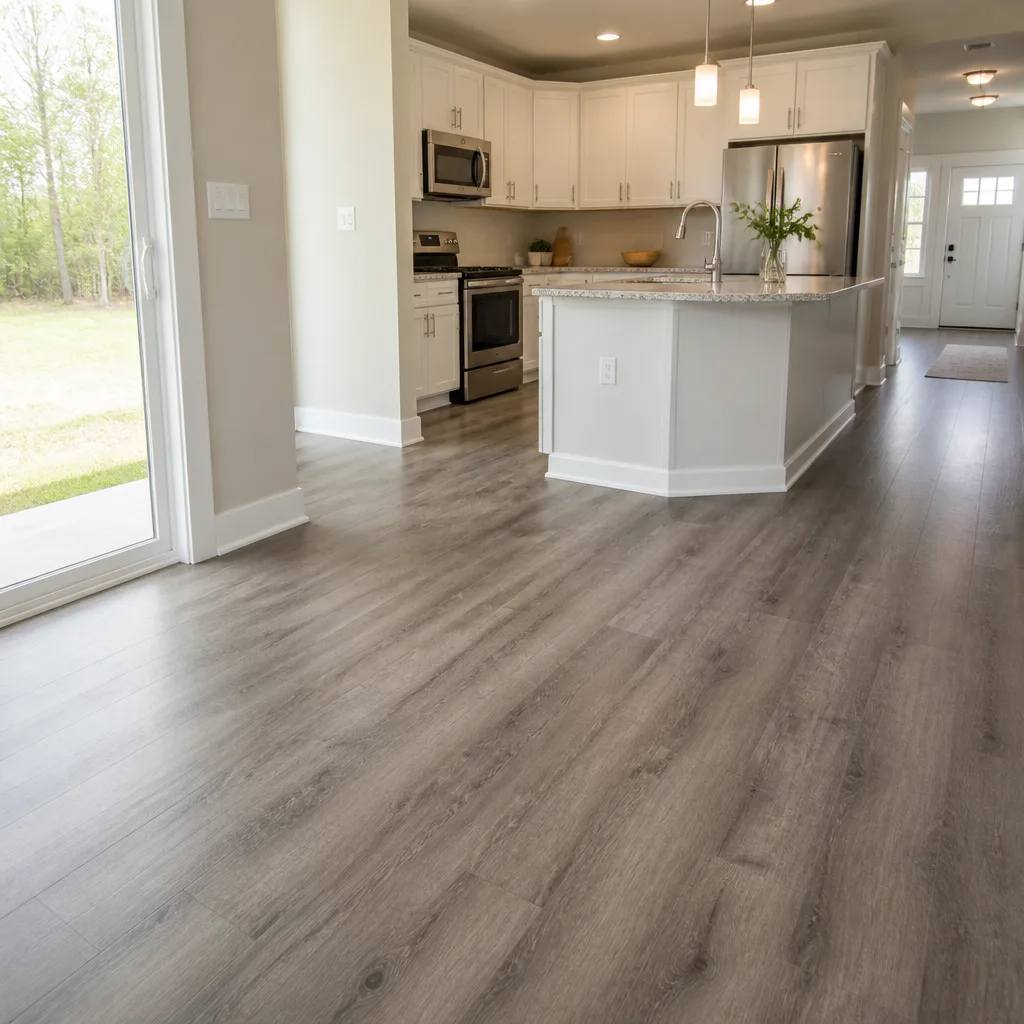 Pergo
Free in-home measure and written estimate: Shaw, Mohawk, COREtec and Pergo lines compared on your own rooms, with carpet, tile, vinyl plank, laminate and hardwood laid out side by side
Get your free estimateHow Summerlin’s Climate Can Affect Your Flooring Choice
Most flooring decisions in Summerlin get made in a showroom at 72°F with a coffee in hand. The floor then goes home to a house that hits triple digits outside, runs the AC down to the low 70s inside, and sits in air that can drop below 20% relative humidity for weeks at a stretch. Las Vegas averages under 5 inches of rain a year and regularly swings roughly 40°F between a summer day and night, and that thermal cycling alone is enough to buckle a hardwood floor that passed every showroom test. In this guide, we’ll walk through how each material actually behaves in Summerlin’s desert conditions, from low-humidity gapping to slab moisture to dust loading in carpet, so you can pick a floor based on how it holds up rather than how it photographs.
Quick Answer
The best flooring for Summerlin’s climate is a material matched to low humidity and big indoor-outdoor temperature swings: engineered hardwood and luxury vinyl plank handle the dry air and thermal cycling better than solid hardwood, porcelain tile tolerates both with the right underlayment and grout joint design, and a denser carpet pile traps less desert dust than a loose, open one. The single biggest mistake is choosing a floor for its look while ignoring how it will move, gap, or lift once it lives through a full Summerlin summer. Material choice plus correct expansion gaps and moisture control is what keeps a floor stable here.
Styles & brands we work with
- Hardwood
- Engineered hardwood
- Luxury vinyl plank
- Laminate
- Porcelain tile
- Carpet
- Shaw
- Mohawk
- COREtec
- Pergo
Table of Contents
- How Low Humidity Affects Hardwood in Summerlin
- Thermal Cycling, Adhesive, and Expansion Gap Math
- Why Carpet Collects More Dust in the Desert
- Concrete Slabs and the Moisture-From-Below Puzzle
- Tile and Stone in a Desert Home
- Warranties and Dry-Climate Install Requirements
- What Summerlin Neighborhoods Have in Common
- Matching Each Room to the Right Material
How Low Humidity Affects Hardwood in Summerlin
Solid hardwood is a living material in the literal sense: it takes on moisture from the air and gives it back. In a humid climate it swells slightly; in Summerlin’s summer air, which frequently sits below 20% relative humidity, it does the opposite and shrinks. When the boards shrink, the seams between them open up into visible gaps. That’s not a defect in the wood, it’s the wood responding to the room. The gaps can close again in a wetter season, but repeated wide swings season after season stress the finish along the joints and leave a floor that never quite looks tight.
Engineered hardwood has a measurable advantage in exactly this range. Its cross-ply core construction limits how much the board can move in any one direction, so the same Summerlin air that opens wide gaps in a solid plank produces far smaller movement in an engineered one. This is also why engineered floors are the safer bet in rooms with big west-facing glass or in homes where the AC is set aggressively. Choosing a product with a stable core matters more here than the thickness of the wear layer, which is the part most showrooms push.
What helps keep hardwood stable in Summerlin:
- Keep indoor relative humidity in a moderate band year-round rather than letting the house dry out completely.
- Favor engineered hardwood in rooms with large windows and full sun exposure.
- Leave the manufacturer’s specified expansion gap at every wall and transition; don’t let a tight install eat the room the boards need to move.
- Let any new flooring acclimatize to the home’s actual conditions before installation, following the product instructions for your specific board.
Refinishing is worth weighing before you assume an aging Summerlin hardwood floor needs replacing. If the wood is thick enough and the surface hasn’t been sanded too many times, a refinish can restore the finish and close the story on surface wear without tearing out a floor that’s still structurally sound. It depends on the thickness of the wood and its condition, which is something we check at the estimate visit. That said, if the gaps have gone wide enough that they hold crumbs and look structural, no refinish will close them; that’s a reset, not a resurface.
Thermal Cycling, Adhesive, and Expansion Gap Math
Summerlin homes run a split life: an interior held near 70°F and an exterior that can reach well past 100°F on a summer afternoon. Every time that gap opens and closes, the floor near the exterior wall feels it. Materials expand when warm and contract when cool, and where a floor is glued or bonded to a substrate, that movement pulls on the adhesive at the edges. Over enough cycles, a bond that wasn’t specified for this kind of stress can let go, especially around thresholds and in sun-baked rooms facing west.
Expansion gap math is where deserts earn their reputation. Every hard floor needs a perimeter gap, and the gap scales with the room. Take a 400 square foot Summerlin room. The expansion is driven by the room’s length in the direction of movement, not its total area, so a long narrow room moving against a short gap is a recipe for a buckled seam or a popped edge. The install has to account for the placement of expansion joints, the doorways where the floor runs into another room, and any heavy fixed object like a kitchen island or cabinet that pins the floor in place. A floor that’s pinned on both sides of a long run has nowhere to go, and it goes up.
How we approach it:
- Measure the room in the direction of movement, not the total square footage, and plan where expansion joints land.
- Use an adhesive or floating system specified for the temperature range the room will see through the year.
- Leave the correct perimeter gap at walls, doorways and fixed objects so the floor has somewhere to move.
- Keep large sun-exposed runs in mind when choosing materials; a product built for thermal movement belongs in that room.
Products like COREtec and LifeProof are known for their dimensional stability in dry climates, which is one reason we carry both; that stability is about the core, not a license to skip the gap. Adhesive-bound tile and glued LVP have their place, but the spec matters more here than anywhere. If a salesperson waves off expansion gaps as “not a concern in a dry climate,” that’s the moment to ask why.
Why Carpet Collects More Dust in the Desert
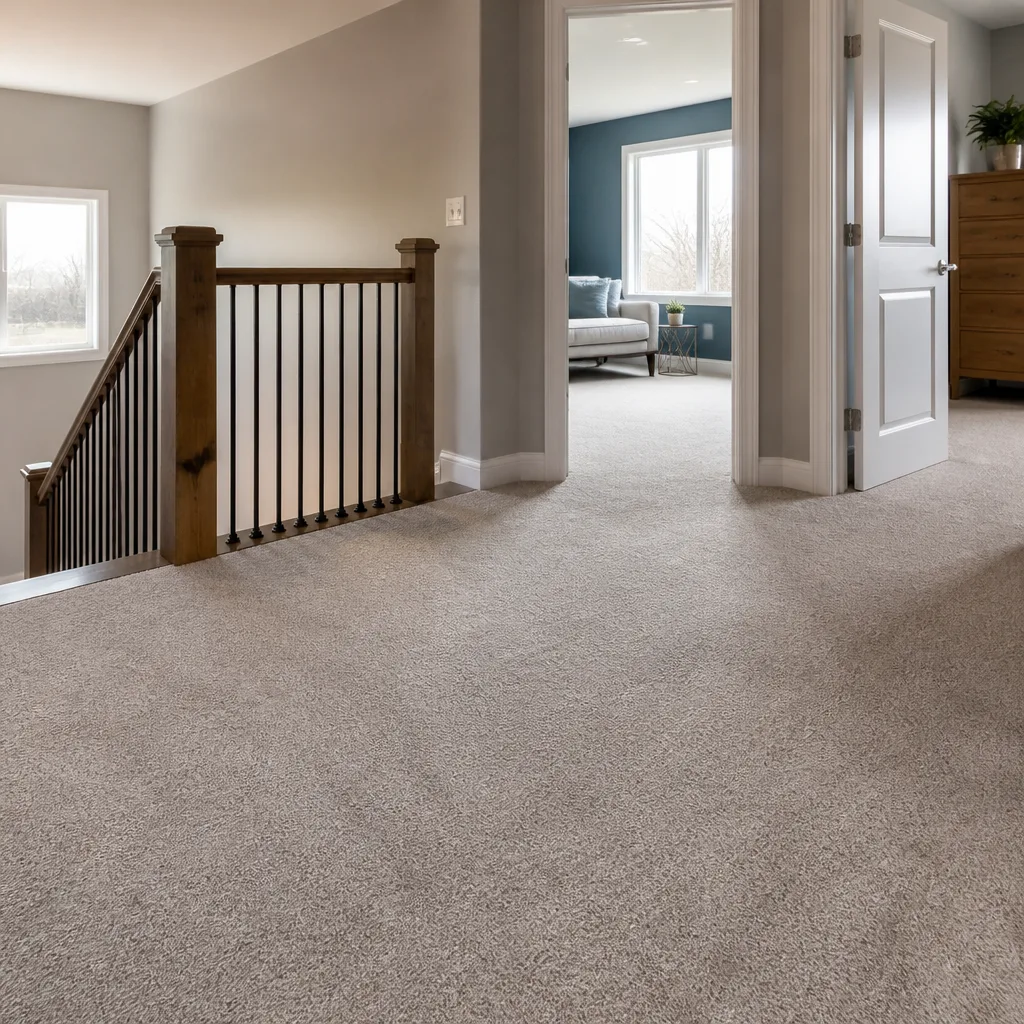
People moving to Summerlin often assume carpet is easier to keep clean in a dry climate. The opposite is closer to the truth. Desert air carries fine dust, and the dust settles into the pile. Where a humid home’s air hangs heavy and dust settles mostly on the surface, dry desert air and the wind that comes with it drive that fine grit deeper into the fibers and toward the backing. Over time, that grit works its way into the base of the pile and the backing itself, where a vacuum’s suction reaches weakly. That’s why a Summerlin carpet can look clean on top and still feel gritty underfoot when you press into it.
Pile density is the lever you actually control. A denser, tightly tufted carpet holds less grit at the base and gives a vacuum more to work against, because the fibers are packed closely and the dust can’t sink as far. A loose, open pile looks plush but lets desert dust percolate down and stay. In practice:
- Choose a denser face weight for high-traffic rooms, especially in homes near the open desert edge of Summerlin.
- Vacuum along the traffic path in the direction the grit travels, not just back and forth, so the base of the pile gets worked.
- Watch the backing on any carpet that sits over a concrete slab; a permeable backing over a cold slab in winter can hold moisture differently than an impermeable one.
Because carpet is our specialty rather than a sidelight, we can match the pile to the room’s traffic and dust exposure rather than to the sample’s appearance alone. carpet installation in a Summerlin home is a matter of choosing the right density and backing for a dust-heavy, dry climate, then installing it so the stretch and seams hold up. We carry carpet from brands like Shaw and Mohawk, but the brand matters less than picking the pile that suits how the room actually lives. Dust in the backing doesn’t come out overnight, and it never comes out of a loose pile. It’s a floor you select for the climate, not one you fight later.
Concrete Slabs and the Moisture-From-Below Puzzle
Most Nevada new builds sit on a concrete slab, and here’s the counterintuitive part: even in a dry climate, moisture comes up from below. Concrete is porous, and groundwater or soil moisture wicking up through the slab meets the underside of the floor. It’s not a lot of water, but it’s steady. In a humid climate, the visible surface moisture is what worries installers; in a desert slab, that moisture is hidden but still present at the slab surface, and it can travel into a floor that isn’t designed to handle it. That’s why a concrete moisture test belongs at every slab install visit, dry climate or not.
The good news is that the right flooring handles this well. A moisture-vapor barrier or vapor retarder under the floor is standard practice on slabs, and it should be in the plan from the start rather than an afterthought. Materials differ in how they behave over a slab: floating luxury vinyl planks like those in the COREtec and LifeProof lines are engineered to tolerate slab conditions when installed to spec, while solid hardwood is far less forgiving and needs very tight control of both humidity and slab moisture. Tile has its own considerations; the topic gets more attention below.
What to plan for on a Summerlin slab:
- Test the slab for moisture before you commit to any material; the reading drives the choice.
- Use a vapor retarder or underlayment appropriate to the material and the slab.
- Never cover a floor over a damp slab with an impermeable material and assume it will be fine. The moisture has to go somewhere, and it will find the weak point.
- For tile, the correct mortar and underlayment set the job up correctly; shortcuts here show up later as cracked grout or a hollow tile.
We’ve seen summer homes where the slab moisture test was the entire difference between a floor that lasted and one that cupped at the seams before the second summer. It’s not glamorous work, but it’s the work that determines whether your floor holds.
Tile and Stone in a Desert Home
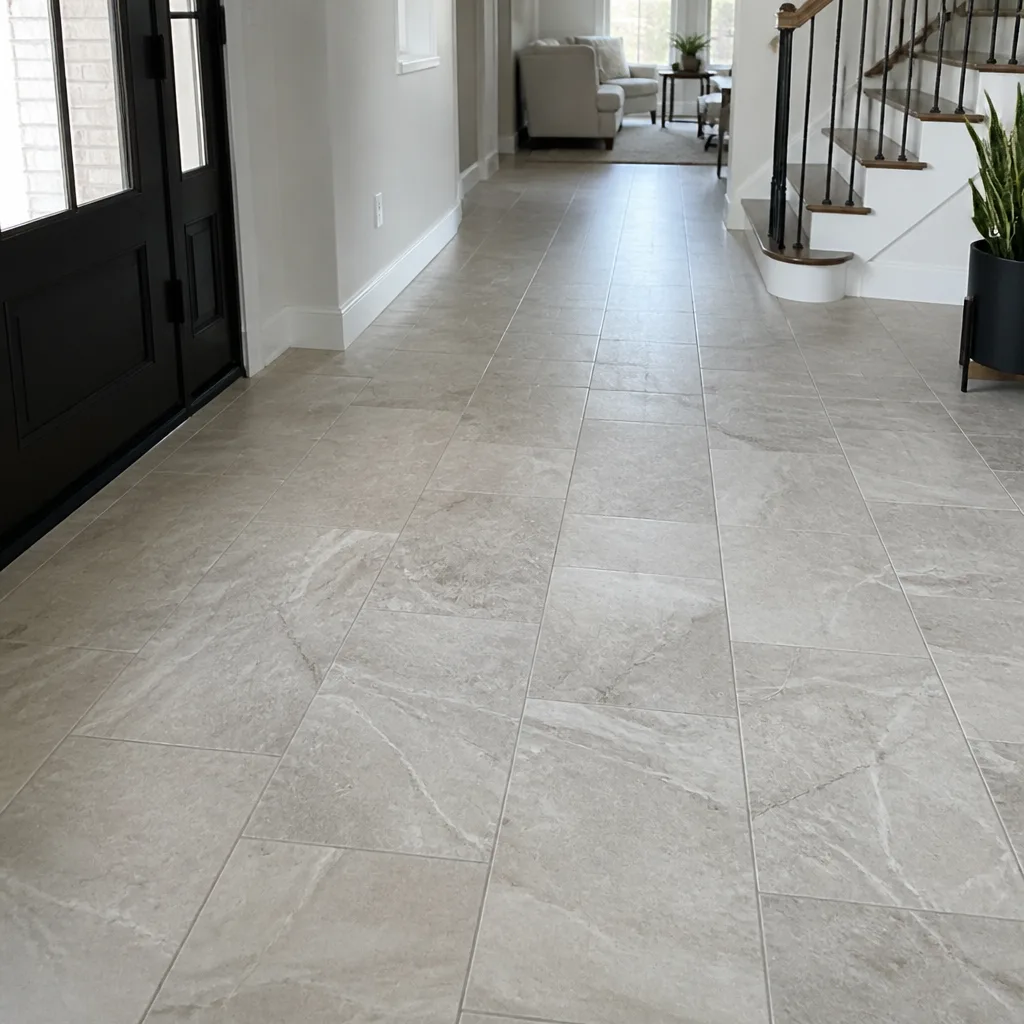
Tile is where Summerlin’s climate is friendliest. Porcelain and ceramic are dimensionally stable, they don’t care about low humidity, and they handle the indoor-outdoor temperature swing without gapping the way wood does. That’s why tile is a natural fit for entryways, kitchens, and rooms that open onto patios where the interior and exterior temperatures meet. Natural stone adds a couple more things to think about: stone can be porous and needs sealing, and it moves slightly more than porcelain, so the underlayment and joint design matter. But in a hot, dry place, tile is the material that corrects the least for climate.
The failure mode that matters here isn’t temperature; it’s the setting bed and the slab. A tile that’s been installed over a slab with the wrong mortar or without the right prep will start to crack grout at the edges and feel hollow underfoot, regardless of how hot or cold it gets. Movement joints are also required in larger tile fields, and they get skipped more often than they should. A 400 sq ft tiled room with no movement joint planned is a room looking for trouble.
Daltile products are the trade-grade path we take for tile, and tile flooring installation is a trade we treat as its own discipline. We’ve laid a lot of tile across Summerlin and the surrounding Summerlin neighborhoods, and the pattern is consistent: the tile itself is rarely the problem. The prep is. A tile floor is a system, and the climate just tests the system.
For desert homes, the material tiers worth knowing:
- Porcelain is the most climate-tolerant option: stable, dense, low absorption.
- Natural stone like travertine and slate needs sealing and a careful setting bed on a slab.
- Large-format tile needs movement joints and a flat substrate, especially over concrete.
Warranties and Dry-Climate Install Requirements
Here’s the part that separates products: some manufacturer warranties actually address the install environment in the fine print, and some flatly won’t honor a claim if the product was installed outside the conditions the warranty specifies. A solid hardwood spec sheet that names a minimum indoor relative humidity, for example, means a Summerlin home sitting at 15% in July is outside that spec if the product wasn’t chosen for it. The discrepancy isn’t a scam; the manufacturer is saying the wood will move in ways the warranty doesn’t cover. Read the product’s installation requirements as the real decision driver, then check what the warranty says about climate and altitude.
We carry nine brands across carpet, tile and hardwood, including COREtec, Pergo, LifeProof and Mannington. Each brand sets its own install and warranty terms, and the requirements are not identical. A few things we confirm before recommending:
- Whether the product’s install instructions specify an indoor humidity range, and whether the home falls inside it.
- Whether the product’s warranty excludes installations above a certain elevation or outside a certain climate band.
- Whether the material’s core construction is specified for the thermal movement a Summerlin room will see.
- Whether the finish and wear layers are covered for the room type in question, like sun exposure or heavy foot traffic.
We’re authorized to supply and install these brands, but we won’t promise a warranty term. Manufacturer terms are what they are; your written estimate will tell you exactly what applies to the product you choose. The brands we install have varied and detailed installation literature, which is part of the reason our focus is flooring and nothing else. The brand-backed terms, not a salesperson’s word, define what happens if something goes wrong.
What Summerlin Neighborhoods Have in Common
The Summerlin neighborhoods share more than a mailing address. If you drive through The Ridges or Red Rock Country Club or the communities off Hualapai, you’ll see the same pattern: single-family homes with significant west-facing glass, concrete slab foundations, and yards that transition quickly to open desert. That combination means homes catch the full afternoon sun through the glass, the slab sits under the floor throughout the year, and dust from the surrounding desert is a constant in the air. The specific rooms differ, but the climate mechanics inside the homes are remarkably consistent.
That similarity is why we can give concrete guidance for a Summerlin room rather than general advice. It also means the room’s orientation matters as much as the material. The west side of a Summerlin home in mid-afternoon is the hottest wall in the house, and a floor that sits against a sun-baked window wall gets more direct heat than a floor on the shaded north side. Homes near open desert get slightly more dust blown in than homes sheltered by landscaping, and older build-outs may have slab conditions a newer build doesn’t. Those differences don’t change the material recommendation, but they do change how the install is planned.
What this means for choosing a floor in Summerlin:
- Pick your material for the worst room in the house, not the best; if the west-facing living room can handle it, the rest of the home will follow.
- Expect west-facing rooms to need materials that tolerate thermal movement.
- Plan for dust in carpet wherever the home sits near open desert.
- Schedule a slab check on any build-out older than a few years before deciding on a floor over concrete.
We work in Summerlin and know how these homes behave because the same physical conditions repeat house to house. If you’re weighing a full remodel or a single-room replacement, browsing the Flooring Summerlin lineup of brands and materials gives you a starting point.
Matching Each Room to the Right Material
Once the climate mechanics are on the table, choosing a floor in Summerlin becomes a matching exercise. A floor that’s perfect for a bedroom is a poor fit for a sun-soaked great room, and the room’s exposure matters as much as the material. Here’s how we’d map it in a Summerlin home:
- Sun-baked living and great rooms: engineered hardwood or a stable luxury vinyl plank, because thermal movement is the dominant stressor in these rooms.
- Kitchens and entryways: tile, ideally porcelain, for its stability and ease in rooms that see the most temperature change.
- Bedrooms and closets: carpet or engineered hardwood, with dense pile for a dry-dust home.
- Basement-level slab rooms, if present: a material that handles slab moisture with the correct vapor retarder, and a moisture test first.
- Any room against a west wall: the stable-core choice, regardless of the room’s function.
The key is to decide by the climate stressor the room carries before you decide by finish color. That’s the essence of what we call material-matched installation: each material gets a trained approach, and the trained approach is applied to the room in front of it. Carpet, tile, and hardwood each ask different things of an installer, and a single-trade focus on floors means the approach isn’t borrowed from general construction.
Common Mistakes to Avoid
- Choosing a floor by sample under showroom light and ignoring the room’s orientation. The same floor that looks secure on a sample wall can fight a Summerlin west wall in July.
- Skipping the slab moisture test because “the desert is dry.” Moisture from below is a real risk on any Nevada slab, and a test at the estimate visit prevents a cupped floor later.
- Letting an installer talk you out of expansion gaps in a summer-dry climate. The room still has to be able to move as the temperature and humidity swing, and the gap is what gives it that room.
- Picking a loose, open carpet pile in a home near open desert. The dust sifts down to the backing faster than the same carpet would in a humid climate, and it stays there.
- Assuming a manufacturer warranty covers any installation. Some product terms specify an indoor humidity range; verify those terms against the room before you buy.
- Using solid hardwood in a room with big west glass because the color is right. The board’s movement is driven by the room’s climate, not the swatch.
- Refinishing a floor with worn-thin surface or filled gaps and expecting it to come back to new. Refinishing restores a floor with enough wood left and a sound structure, checked at the estimate; it can’t undo a floor that’s structurally tired.
See the difference
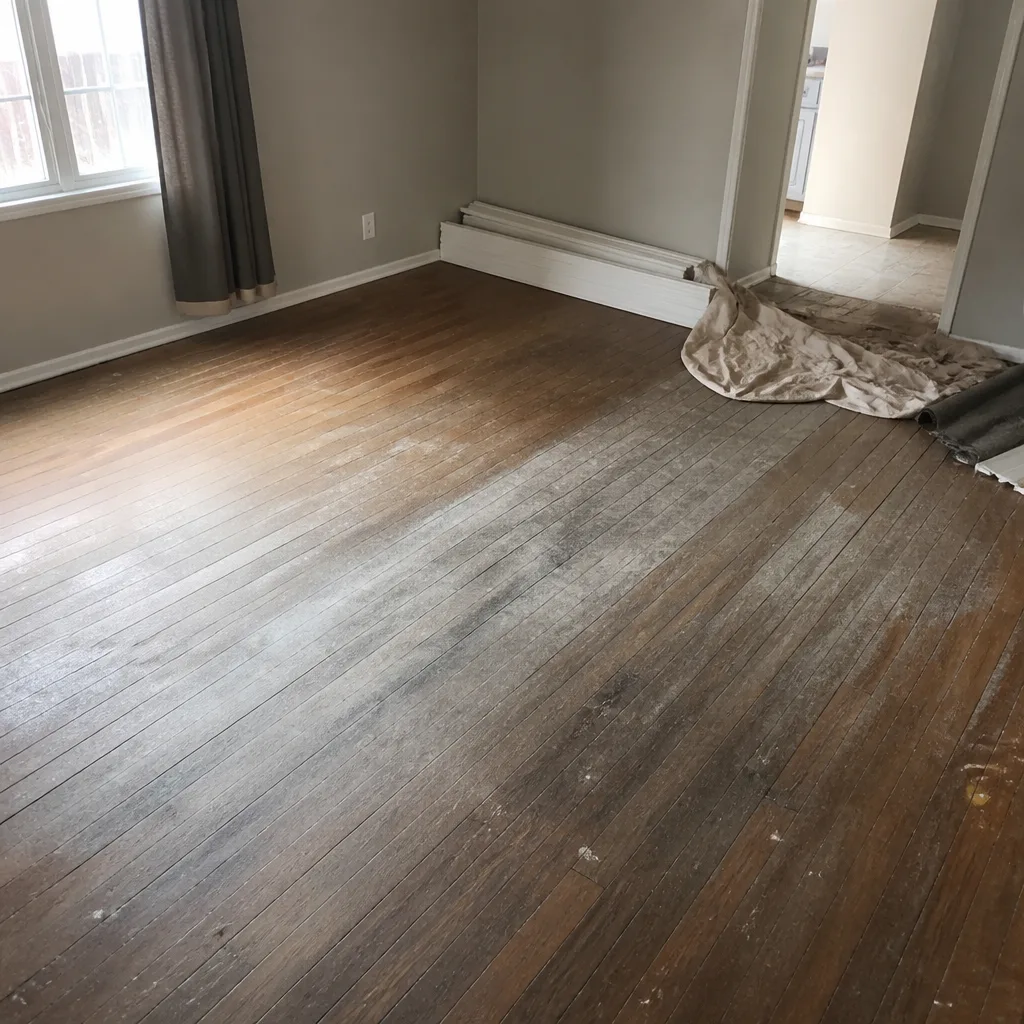 Before
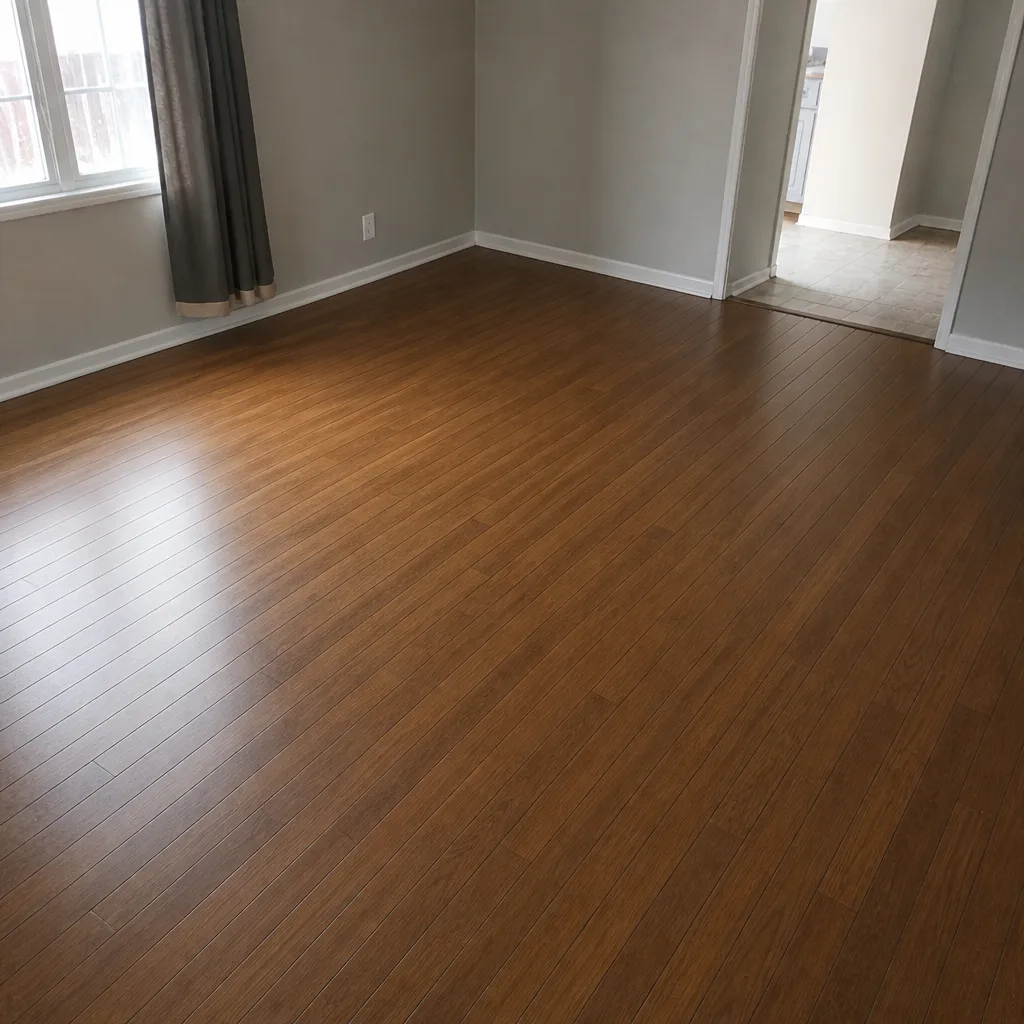 After
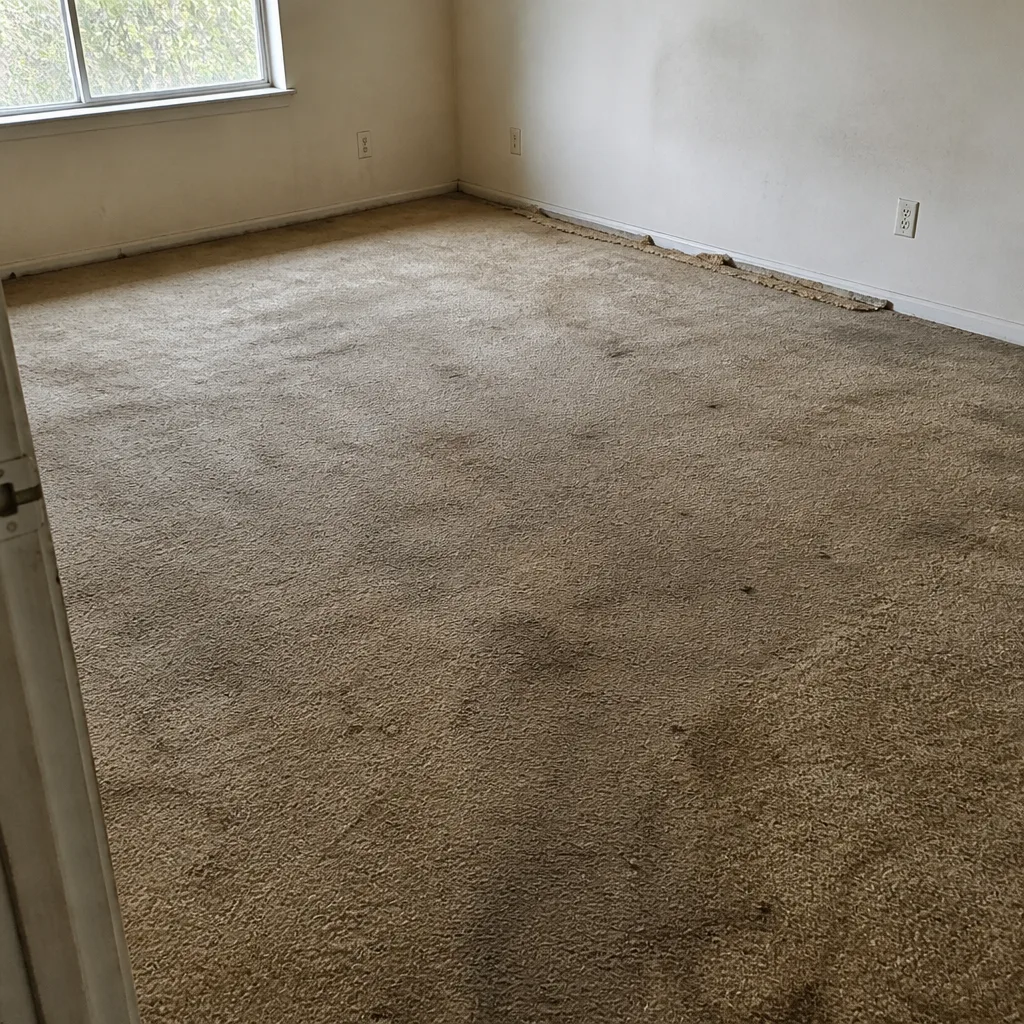 Before
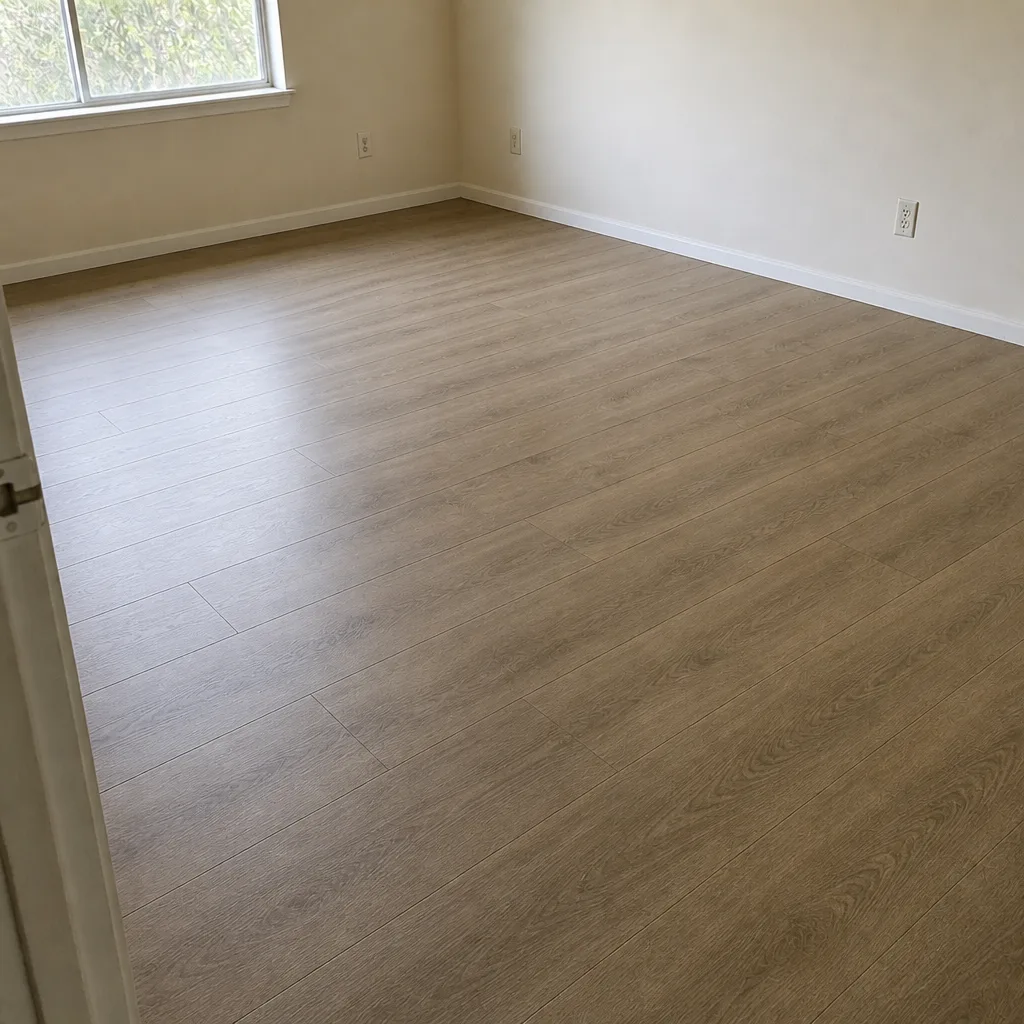 After
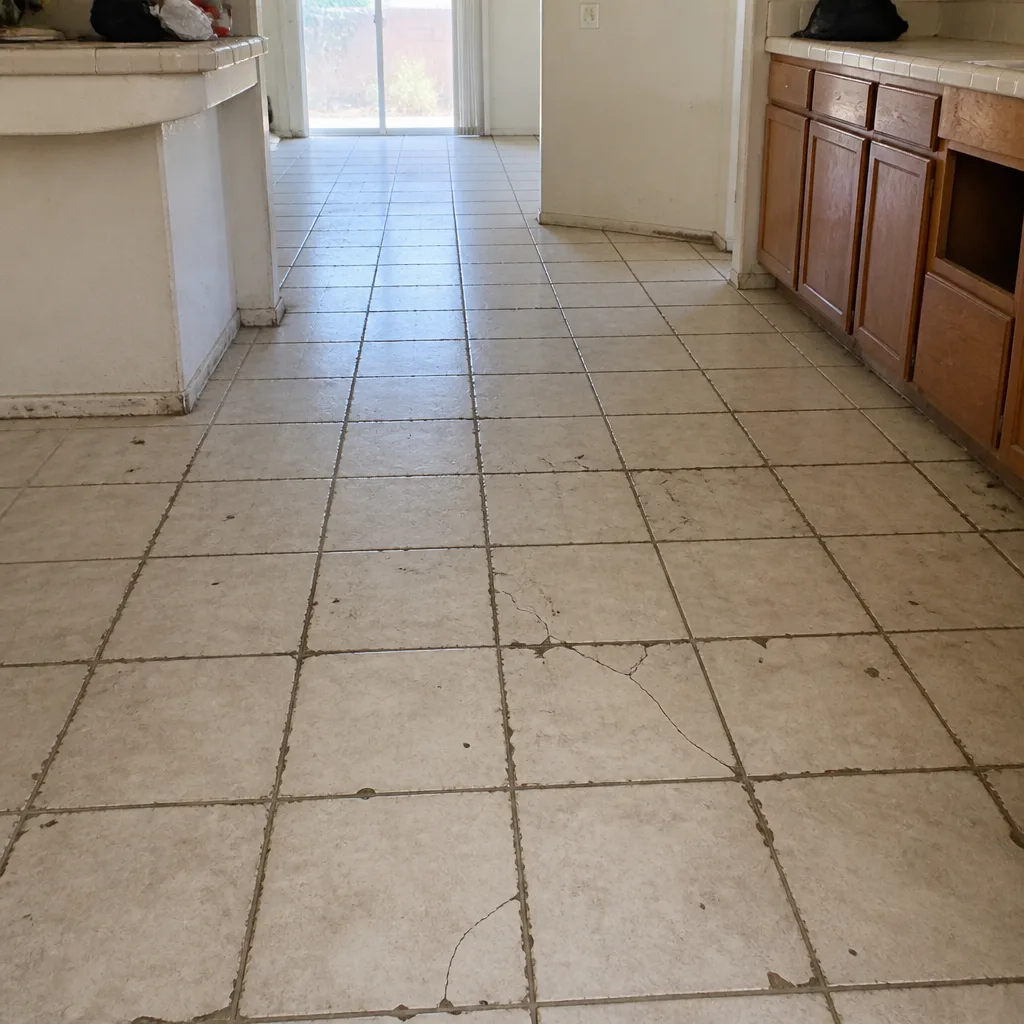 Before
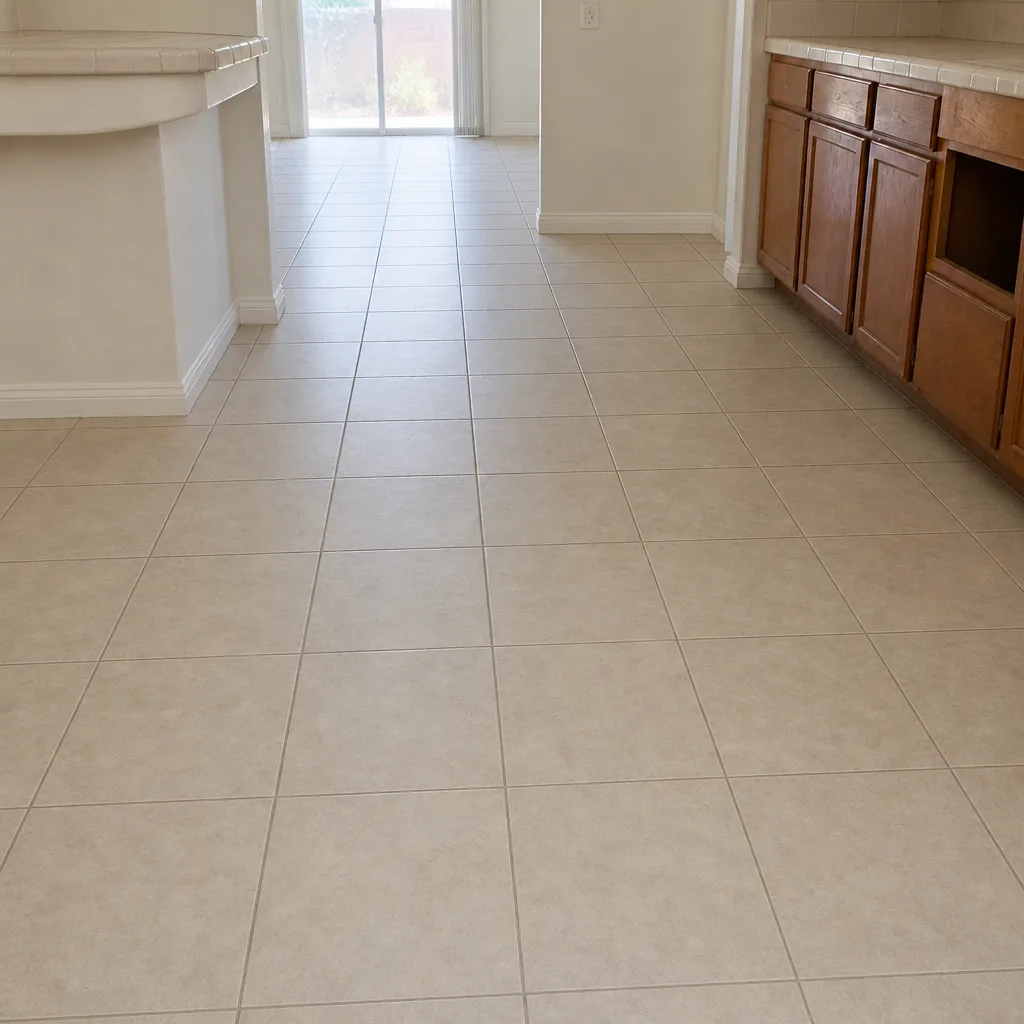 After
When to Call a Professional
Some decisions call for a pair of trained eyes. If you’re buying a floor for a Summerlin home with lots of west-facing glass, or if your existing hardwood has started to gap, cup, or lift at the seams, that’s a case for a professional assessment, not a trip to the store. Slab moisture problems, cracked grout lines that keep coming back, and any install over concrete deserve expert handling. If you’re weighing refinishing an existing hardwood floor against replacing it, the thickness of the wood and its condition at the edges are things only a trained inspection can settle. Do any of this work yourself only if you’re confident and fully prepared, because the failures here are expensive to undo. Flooring Summerlin offers free estimates in Summerlin – call (844) 320-6715 to book one. We answer 24/7. Fast dispatch from 7am to 7pm, Sunday through Friday.
Frequently Asked Questions
The best flooring for Summerlin NV’s climate is a material matched to low humidity and big thermal swings: engineered hardwood or a stable luxury vinyl plank in sun-exposed rooms, porcelain tile in kitchens and entryways, and dense carpet in bedrooms. Solid hardwood and loose-pile carpet are the ones that struggle in these homes. For a room-by-room recommendation, call (844) 320-6715 to schedule a free estimate.
Your hardwood floor has gaps in the summer because the low desert air dries out the wood and it shrinks at the seams. That’s the same humidity range that hits below 20% in a Summerlin summer. Engineered hardwood limits the movement; solid hardwood doesn’t. If the gaps have gone structural, a refinish won’t fix them, and it’s worth a professional look. Call (844) 320-6715 for an assessment.
Not much. Tile and stone handle the desert temperature swing and low humidity without the movement you see in wood, which makes tile the most climate-tolerant flooring for a Summerlin home. The bigger risk with tile is the slab prep and mortar, not the climate. We install tile flooring with Daltile products. Call (844) 320-6715 for a free estimate.
Yes, you do. Concrete slabs wick moisture from below even in a desert, and that moisture reaches the underside of the floor. A slab moisture test at the estimate visit determines which flooring and which vapor retarder belong on your concrete. Skipping it is the most common way a Summerlin floor fails early. Call (844) 320-6715 to schedule a free estimate.
Refinish if the wood is thick enough and the floor is structurally sound; replace if the gaps or wear are structural. Refinishing restores the finish without tearing out a floor that’s still sound, and it’s the more cost-conscious and sustainable path. We check the wood’s thickness and condition at the estimate visit before recommending either. Call (844) 320-6715 to book a free estimate.
Denser pile works best, because a tightly tufted carpet holds less fine desert grit at its base and gives a vacuum more to work against. A loose, open pile looks plush but lets dust percolate down and stay. We match carpet to the room’s traffic and dust exposure as part of carpet installation planning. Call (844) 320-6715 for a free estimate.
The Bottom Line
Summerlin’s climate treats each flooring category differently, and the difference matters more than the swatch in the showroom. Low humidity and a huge indoor-outdoor temperature swing open gaps in solid hardwood and stress adhesive at the perimeter; engineered hardwood and stable luxury vinyl plank handle that range; porcelain tile is largely untroubled; and dense carpet traps less desert dust than a loose pile. Concrete slabs add a moisture-from-below wrinkle that a slab test at the estimate visit catches before it becomes a cupped floor. If you keep those physical facts in the driver’s seat, the floor you choose will hold up through many Summerlin summers rather than just the first. The written estimate sets the final price, and every decision here starts with a free in-home measure.
Call (844) 320-6715 to schedule your free estimate. We answer 24/7. Fast dispatch from 7am to 7pm, Sunday through Friday.
Written by the team at Flooring Summerlin.